Most people don’t think about the pipes in their home until something looks wrong, smells wrong, or starts dripping onto the floor. Fair enough. Pipes are hidden behind walls and under floors, so they don’t exactly demand attention every day.
But plumbing has a quiet way of warning you before a bigger problem arrives. The trick is knowing which signs are harmless and which ones deserve a closer look.
Small Changes in Water Can Say a Lot
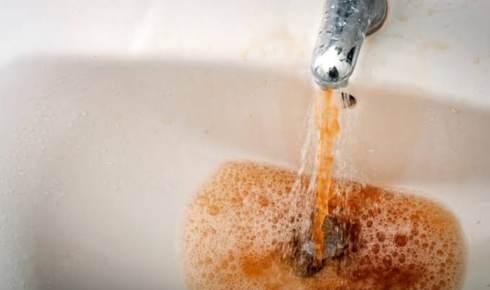
One of the first warning signs many homeowners notice is discolored water coming from the tap. It might look brown, yellow, reddish, or cloudy for a few seconds before clearing up. Sometimes this happens after city water work nearby, but if it keeps returning, your pipes could be part of the problem.
Rust, sediment, and mineral buildup can collect inside old pipes over time. When water moves through, it carries some of that material with it. Besides looking unpleasant, it may also point to corrosion or aging plumbing that needs inspection.
Corrosion Is More Than a Surface Problem
If you can see pipes under a sink, near a water heater, or in a basement, take a casual look now and then. Green stains, white crust, rust patches, flaking metal, or damp spots around joints can all be clues.
Visible corrosion should not be ignored, especially when it appears in more than one area. What you see outside may only be part of the story. Pipes often wear from the inside too, meaning the system could be weaker than it looks. A plumber can check whether the damage is local or part of a larger issue.
Older Plumbing Materials Can Become Risky
Homes built decades ago may still have outdated materials in their plumbing systems. Some older pipes were common at the time but are no longer preferred because they can corrode, crack, restrict water flow, or fail unexpectedly.
This does not mean every older home needs full pipe replacement right away. But it does mean the system deserves proper evaluation. Knowing what type of pipes you have helps you plan repairs before emergencies happen.
Low Pressure and Slow Flow Are Worth Checking
Water pressure problems are easy to dismiss. Maybe the shower feels weaker than before, or the kitchen faucet takes longer to fill a pot. Many people live with it for years.
Sometimes the cause is simple, like a clogged aerator. Other times, buildup inside pipes has narrowed the water pathway. In older plumbing, this can slowly reduce performance throughout the house. If pressure issues are spreading from one fixture to several, it may be time to inspect the lines.
Leaks Often Start Small
A tiny drip may not look serious, but water is patient. It can damage cabinets, flooring, drywall, and framing before you notice the full extent of the problem.
The bigger concern is repeated leaks. If one pipe is repaired and another starts leaking soon after, the system may be aging as a whole. Constant patching can become expensive, and it may not solve the root cause.
Why Early Inspection Saves Money
A plumbing inspection is not just for emergencies. It can help identify weak areas before they turn into water damage. A good plumber may check pipe material, pressure, corrosion, leak history, fixture flow, and signs of hidden moisture.
This gives you options. Maybe a small repair is enough. Maybe one section should be replaced. Or maybe repiping makes more sense in the long run. Either way, it is better to decide calmly than during a burst pipe situation.
Don’t Wait for a Major Failure
Many pipe problems build slowly. A stain on the ceiling, a musty smell near the bathroom, or a small patch of peeling paint can be the first visible clue. By then, water may already have been leaking for a while.
Homeowners should pay attention to strange sounds too. Banging pipes, whistling, or sudden changes in flow can all suggest pressure or pipe issues. Not every noise is serious, but new or worsening symptoms deserve attention.
Choosing Repair or Replacement
The right solution depends on the age of the home, the pipe material, the location of the problem, and how often repairs are needed. A single leak in an otherwise healthy system may only need a targeted fix.
But if the plumbing is old, corroded, or failing in several places, replacement can be the smarter investment. New pipes can improve water flow, reduce leak risk, and give homeowners more peace of mind.
Final Thoughts
Your home’s plumbing works quietly in the background, helping with showers, cooking, laundry, cleaning, and daily comfort. When it starts showing warning signs, it is worth listening.
Strange water color, corrosion, weak pressure, and repeated leaks are not things to panic over, but they should not be ignored either. A timely inspection can help you protect your home, avoid surprise repairs, and keep clean water flowing where it belongs.