Category: Home Services

  • When Your Home’s Pipes Start Showing Their Age

    When Your Home’s Pipes Start Showing Their Age


    Most people don’t think about the pipes in their home until something looks wrong, smells wrong, or starts dripping onto the floor. Fair enough. Pipes are hidden behind walls and under floors, so they don’t exactly demand attention every day.

    But plumbing has a quiet way of warning you before a bigger problem arrives. The trick is knowing which signs are harmless and which ones deserve a closer look.

    Small Changes in Water Can Say a Lot

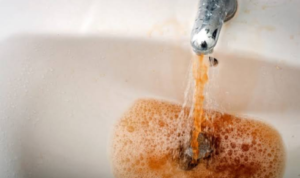
    One of the first warning signs many homeowners notice is discolored water coming from the tap. It might look brown, yellow, reddish, or cloudy for a few seconds before clearing up. Sometimes this happens after city water work nearby, but if it keeps returning, your pipes could be part of the problem.

    Rust, sediment, and mineral buildup can collect inside old pipes over time. When water moves through, it carries some of that material with it. Besides looking unpleasant, it may also point to corrosion or aging plumbing that needs inspection.

    Corrosion Is More Than a Surface Problem

    If you can see pipes under a sink, near a water heater, or in a basement, take a casual look now and then. Green stains, white crust, rust patches, flaking metal, or damp spots around joints can all be clues.

    Visible corrosion should not be ignored, especially when it appears in more than one area. What you see outside may only be part of the story. Pipes often wear from the inside too, meaning the system could be weaker than it looks. A plumber can check whether the damage is local or part of a larger issue.

    Older Plumbing Materials Can Become Risky

    Homes built decades ago may still have outdated materials in their plumbing systems. Some older pipes were common at the time but are no longer preferred because they can corrode, crack, restrict water flow, or fail unexpectedly.

    This does not mean every older home needs full pipe replacement right away. But it does mean the system deserves proper evaluation. Knowing what type of pipes you have helps you plan repairs before emergencies happen.

    Low Pressure and Slow Flow Are Worth Checking

    Water pressure problems are easy to dismiss. Maybe the shower feels weaker than before, or the kitchen faucet takes longer to fill a pot. Many people live with it for years.

    Sometimes the cause is simple, like a clogged aerator. Other times, buildup inside pipes has narrowed the water pathway. In older plumbing, this can slowly reduce performance throughout the house. If pressure issues are spreading from one fixture to several, it may be time to inspect the lines.

    Leaks Often Start Small

    A tiny drip may not look serious, but water is patient. It can damage cabinets, flooring, drywall, and framing before you notice the full extent of the problem.

    The bigger concern is repeated leaks. If one pipe is repaired and another starts leaking soon after, the system may be aging as a whole. Constant patching can become expensive, and it may not solve the root cause.

    Why Early Inspection Saves Money

    A plumbing inspection is not just for emergencies. It can help identify weak areas before they turn into water damage. A good plumber may check pipe material, pressure, corrosion, leak history, fixture flow, and signs of hidden moisture.

    This gives you options. Maybe a small repair is enough. Maybe one section should be replaced. Or maybe repiping makes more sense in the long run. Either way, it is better to decide calmly than during a burst pipe situation.

    Don’t Wait for a Major Failure

    Many pipe problems build slowly. A stain on the ceiling, a musty smell near the bathroom, or a small patch of peeling paint can be the first visible clue. By then, water may already have been leaking for a while.

    Homeowners should pay attention to strange sounds too. Banging pipes, whistling, or sudden changes in flow can all suggest pressure or pipe issues. Not every noise is serious, but new or worsening symptoms deserve attention.

    Choosing Repair or Replacement

    The right solution depends on the age of the home, the pipe material, the location of the problem, and how often repairs are needed. A single leak in an otherwise healthy system may only need a targeted fix.

    But if the plumbing is old, corroded, or failing in several places, replacement can be the smarter investment. New pipes can improve water flow, reduce leak risk, and give homeowners more peace of mind.

    Final Thoughts

    Your home’s plumbing works quietly in the background, helping with showers, cooking, laundry, cleaning, and daily comfort. When it starts showing warning signs, it is worth listening.

    Strange water color, corrosion, weak pressure, and repeated leaks are not things to panic over, but they should not be ignored either. A timely inspection can help you protect your home, avoid surprise repairs, and keep clean water flowing where it belongs.

  • Why More Families Are Turning to Reverse Osmosis for Better Water at Home

    Why More Families Are Turning to Reverse Osmosis for Better Water at Home

    Water used to be one of those things people barely thought about. You turned on the tap, filled a glass, and moved on with your day. But over the last several years, something shifted. Homeowners started asking more questions about what’s actually in their water, how it affects daily life, and whether the quality coming from the tap is really as clean as it could be.

    And honestly, that curiosity makes sense.

    Water touches almost every part of home life — cooking, coffee, showers, laundry, hydration, even the lifespan of household appliances. When the water quality feels off, people notice it in strange little ways. Coffee tastes bitter. Ice cubes smell faintly chemical. Dishes come out cloudy. Skin feels dry after a shower.

    None of those things feel dramatic individually, but together they start nudging homeowners toward better solutions.

    Clean Water Has Become a Bigger Priority

    For many households, the journey starts with taste.

    Tap water can vary enormously depending on location. Some municipal systems use heavy chlorine treatment. Rural well water introduces completely different challenges involving sediment, sulfur, or dissolved minerals. Even homes in the same neighborhood may experience slightly different water conditions depending on plumbing age and infrastructure.

    That’s why so many homeowners now explore filtration systems designed specifically for drinking water quality instead of relying solely on bottled water.

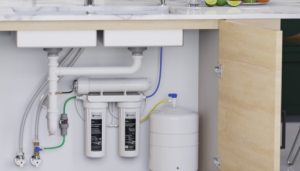
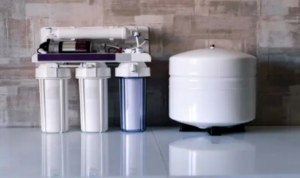
    One option that consistently gets attention is the reverse osmosis water filter because of how effectively it removes dissolved contaminants and improves overall taste. Unlike basic carbon filters, reverse osmosis systems use specialized membranes capable of reducing many impurities at a much finer level.

    And honestly, people often notice the difference immediately.

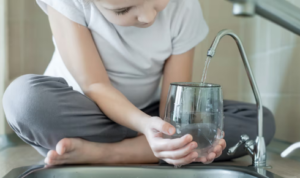
    Water tastes cleaner. Coffee feels smoother. Tea loses some of that dull bitterness caused by mineral-heavy tap water. Even simple things like cooking pasta or filling reusable water bottles start feeling a little different.

    Not life-changing exactly, but definitely noticeable.

    Why Reverse Osmosis Systems Became So Popular

    There’s a reason reverse osmosis systems continue growing in popularity year after year.

    Part of it is practicality. People are tired of hauling bottled water packs from grocery stores every week. Others want to reduce plastic waste. Some simply want more control over what they’re drinking every day instead of depending entirely on municipal treatment processes.

    But there’s also something reassuring about knowing your water is being filtered thoroughly inside your own home.

    Reverse osmosis works by pushing water through a semi-permeable membrane that removes many dissolved solids, contaminants, and impurities before the water reaches the tap. Most systems also include additional filtration stages that help remove chlorine, sediment, and odors beforehand.

    The result is water that feels cleaner, lighter, and more refreshing to many homeowners.

    And interestingly, once families install these systems, they often realize how much poor-tasting water had quietly affected their daily habits. People naturally drink more water when it actually tastes good. Kids refill bottles more often. Sugary beverages lose some of their appeal because clean water becomes easier to enjoy on its own.

    Water Quality Impacts More Than Drinking

    One thing homeowners quickly discover is that water affects far more than hydration.

    Poor-quality water can gradually damage appliances through mineral buildup and sediment accumulation. Dishwashers, coffee machines, water heaters, and refrigerators all work harder when scale and impurities move through the system constantly.

    Hard water especially creates frustrating household issues over time — cloudy dishes, faucet residue, stiff laundry, reduced water pressure. While reverse osmosis systems mainly focus on drinking water, many homeowners pair them with additional treatment solutions like water softeners for broader household improvements.

    That combination often creates a noticeably more comfortable home environment overall.

    Choosing the Right System Matters

    Of course, not every home needs the exact same setup.

    Some families only want filtered drinking water at the kitchen sink. Others prefer whole-home treatment systems. Water conditions vary widely depending on local infrastructure and source quality, which is why professional testing can be incredibly valuable before buying equipment.

    The best drinking water systems are usually the ones designed around the actual water entering the home rather than generic online recommendations.

    And honestly, simpler systems are sometimes enough. Homeowners don’t necessarily need the most expensive filtration setup on the market. They need one that solves their specific water concerns reliably without becoming difficult to maintain.

    That balance matters more than flashy marketing claims.

    Better Water Quietly Changes Everyday Routines

    What’s funny about water upgrades is how subtle the benefits often feel at first.

    Nobody installs a filtration system expecting some dramatic movie-style transformation. But little things start changing quietly.

    Morning coffee tastes richer. Ice cubes lose that odd freezer-and-chlorine smell. Cooking feels cleaner somehow. Guests compliment the water without realizing there’s a filtration system involved.

    Then there’s the convenience factor.

    No more late-night runs to buy bottled water. Less clutter in the garage. Fewer plastic bottles piling up in recycling bins. Those practical improvements make daily routines smoother in ways homeowners often appreciate more than expected.

    Clean Water Creates Peace of Mind

    There’s also an emotional side to all of this that people don’t always talk about openly.

    Good water creates a sense of trust inside the home. You stop second-guessing whether the tap tastes strange today. You stop wondering whether guests should drink from the faucet or grab bottled water instead. You stop worrying about what might be flowing through aging pipes before reaching your kitchen.

    That peace of mind matters.

    Especially because water is something we interact with constantly without even thinking about it most days.

    The Best Home Improvements Aren’t Always Flashy

    Water systems probably won’t become the centerpiece of your next home tour. Nobody walks guests into the utility room saying, “Look at this incredible filtration membrane.”

    But honestly, some of the best home upgrades are the ones working quietly in the background every single day.

    Clean water supports healthier routines, improves comfort, protects appliances, and simplifies everyday life in dozens of tiny ways that slowly add up over time.

    And once homeowners experience the difference, many end up saying the same thing afterward: they wish they had done it sooner.

  • A Different Kind of Comfort: What It Really Means to Go Geothermal at Home

    A Different Kind of Comfort: What It Really Means to Go Geothermal at Home

    There’s something quietly appealing about a home that doesn’t have to fight the weather. No loud systems kicking in when the temperature spikes, no constant adjustments just to feel okay. It’s more like the house already knows what to do—staying balanced, steady, almost effortless.

    That’s usually the first thing people notice when they step into a geothermal-powered home. It doesn’t feel dramatic or high-tech. If anything, it feels… calm. Like the system has figured out something the rest of us are still chasing.

    And the deeper you look into it, the more you realize—it’s not just about technology. It’s about design, planning, and understanding how your home interacts with the ground beneath it.


    Why One-Size-Fits-All Doesn’t Work Here

    Geothermal systems aren’t plug-and-play. You can’t just install one like a regular AC unit and expect perfect results. Every home is different—layout, soil conditions, climate, even how the space is used day to day.

    That’s why custom geothermal design becomes such an important part of the process. It’s not just about choosing a system; it’s about shaping it around your home.

    For example, a large family home with multiple floors will need a different approach than a compact single-story house. The way heat moves, the way air circulates—it all matters. Even the type of soil on your property can affect how efficiently the system performs.

    Good design takes all of this into account. It’s thoughtful. Sometimes even a bit meticulous. But that attention to detail is what turns a geothermal setup from “working fine” into something that feels genuinely seamless.


    What Happens Beneath the Surface Matters Most

    Most of the magic in geothermal systems happens where you can’t see it—underground.

    This is where the underground loop system setup comes into play. These loops circulate fluid through pipes buried beneath your property, absorbing or releasing heat depending on the season. It sounds technical, but the concept is surprisingly simple.

    The earth maintains a relatively stable temperature below the surface. Not too hot, not too cold. By tapping into that stability, geothermal systems avoid the constant struggle that traditional HVAC systems face when dealing with extreme outdoor temperatures.

    There are different ways to install these loops—horizontal trenches, vertical boreholes, even pond-based systems if the conditions allow. Each method has its own advantages, and the right choice depends on your property and budget.

    It’s not something you’ll see every day, but it’s doing the heavy lifting quietly, making sure your home stays comfortable without unnecessary effort.


    The Kind of Savings You Don’t Notice Right Away

    Let’s talk about cost, because it’s usually the first question people ask.

    Yes, geothermal systems tend to have a higher upfront investment. There’s no getting around that. Installation involves planning, excavation, and specialized equipment. It’s not a quick weekend project.

    But what often gets overlooked is the idea of long term energy savings. Unlike traditional systems that rely heavily on electricity or fuel to generate heat or cooling, geothermal systems simply move heat around. That requires significantly less energy.

    Over time, those savings add up. Lower monthly bills, fewer repairs, and longer system lifespan all contribute to a more predictable cost structure. It’s less about immediate payoff and more about steady, reliable returns.

    And there’s also something to be said for peace of mind. Knowing your system isn’t going to spike your energy usage during extreme weather—that’s a kind of comfort you don’t see on a utility bill.


    Why the Comfort Feels Different

    People often expect geothermal systems to feel the same as traditional ones—just more efficient. But the experience is actually a bit different.

    Instead of sudden bursts of hot or cold air, geothermal systems tend to maintain a more consistent temperature. The changes are gradual, almost unnoticeable. You don’t feel the system working; you just feel comfortable.

    There’s also less noise. No loud outdoor units cycling on and off. No dramatic shifts in airflow. It’s quieter, smoother, and honestly, a bit more relaxing.

    It’s the kind of difference you might not notice immediately—but after a while, it becomes the new normal. And going back to a traditional system can feel a bit jarring.


    Is It Worth the Effort?

    That depends on what you’re looking for.

    If you want a quick upgrade or a short-term solution, geothermal might not be the best fit. It requires planning, patience, and a willingness to invest upfront.

    But if you’re thinking long-term—about sustainability, efficiency, and creating a home that works with its environment rather than against it—then it starts to make a lot more sense.

    It’s not just about saving money or reducing energy use. It’s about building a system that feels stable, reliable, and a little bit future-proof.


    A Final Thought: Comfort That Feels Natural

    At the end of the day, geothermal systems don’t try to impress you. They don’t rely on power or intensity to prove their worth.

    Instead, they offer something quieter. A kind of comfort that feels natural, almost like your home has found its own rhythm.

    No constant adjustments. No fighting the weather. Just a steady, balanced environment that supports your daily life without demanding attention.

    And maybe that’s what makes it so appealing.

    Not the technology itself, but the way it disappears into the background—leaving you with a home that simply feels right.

  • Why More People Are Paying Attention to Their Water (And What They’re Discovering)

    Why More People Are Paying Attention to Their Water (And What They’re Discovering)

    It’s easy to assume water is one of those things you don’t need to think about. You turn on the tap, fill a glass, and carry on. Simple.

    But lately, more people are starting to pause. Not out of fear, really—more out of curiosity. A slightly off taste here, a faint smell there, or maybe just a growing awareness that what we drink every day deserves a closer look.

    And once that curiosity kicks in, it tends to stick.

    The Shift From Assumption to Awareness

    There was a time when most of us just trusted the system. If water was clear, it was fine. End of story.

    But things feel a little different now. People are asking more questions. What’s actually in my water? Is it affecting my health, even subtly? Why does it taste different from place to place?

    This shift toward consumer water education isn’t about overthinking—it’s about understanding something we rely on constantly.

    Because when you start learning about water, you realize it’s not as simple as it seems.

    The Everyday Experience Matters More Than You Think

    Water isn’t just something you drink. It’s part of your entire daily routine.

    It’s in your morning coffee, your evening shower, the food you cook, the glass you sip from while working or relaxing. So when something feels slightly off, it can ripple through your day in quiet ways.

    Maybe your tea doesn’t taste as smooth. Maybe your skin feels dry after a shower. Maybe you find yourself reaching for bottled water more often than you used to.

    These are small shifts—but they’re meaningful.

    When Filtration Becomes Part of the Conversation

    As people become more aware, they naturally start exploring solutions.

    That’s where reverse osmosis systems often enter the discussion. Not in a flashy way, but as a practical option for improving water quality at home.

    When you look into the ro system benefits, what stands out isn’t just the technology—it’s the experience. Cleaner taste, fewer impurities, a sense of consistency that’s hard to ignore.

    It’s not about perfection. It’s about improvement.

    And for many households, that improvement feels worth it.

    The Hidden Concerns You Can’t Taste

    Some water issues are easy to notice—taste, smell, clarity.

    Others are less obvious.

    Take arsenic removal, for example. Arsenic doesn’t announce itself. You won’t taste it or smell it. But in certain regions, it can be present in groundwater at levels that require attention.

    This is where understanding your water becomes more than just a matter of preference.

    It becomes a matter of awareness.

    And again, this isn’t about creating worry—it’s about making informed decisions based on real information.

    Why Testing Changes Everything

    If there’s one step that makes the biggest difference, it’s testing your water.

    Not guessing. Not assuming. Actually knowing.

    A proper test can reveal mineral levels, chemical presence, and other factors that affect both the safety and the experience of your water.

    And once you have that information, everything else becomes clearer.

    You’re no longer choosing a solution blindly—you’re choosing it based on what your water actually needs.

    The Subtle Improvements You Start to Notice

    What’s interesting about improving water quality is how quietly it changes your daily life.

    There’s no big moment where everything suddenly feels different. Instead, it’s a series of small realizations.

    Your water tastes better. Your coffee feels smoother. Your ice cubes look clearer.

    You might even notice that you’re drinking more water without thinking about it.

    And that’s the kind of change that sticks.

    It’s Not Just About Drinking Water

    We often focus on what we drink, but water plays a much bigger role in our homes.

    It affects your cooking, your cleaning, your appliances, even your skin and hair. So when you improve your water, you’re improving multiple parts of your daily routine at once.

    And that’s something people often don’t expect.

    It’s not just about hydration—it’s about comfort.

    Taking a Thoughtful Approach

    If you’re considering making changes to your water, the best approach is a thoughtful one.

    Start with understanding. Test your water. Learn what’s in it and what might need improvement.

    Then explore your options.

    You don’t need to rush. You don’t need to install the most advanced system right away.

    Just take it step by step.

    Because the goal isn’t to complicate things—it’s to make them better.

    A Quiet Upgrade That Makes a Difference

    Water is one of those things that works quietly in the background of your life.

    You don’t think about it when it’s working well. But when it improves, you notice.

    It’s in the taste, the feel, the consistency.

    And over time, those small improvements become part of your normal routine.

    Final Thoughts

    If you’ve been thinking more about your water lately, you’re not alone.

    More people are asking questions, exploring options, and paying attention to something that’s been overlooked for too long.

    And honestly, it makes sense.

    Because water isn’t just something you use—it’s something you rely on, every single day.

    Taking the time to understand it, improve it, and feel confident in it isn’t overthinking.

    It’s just paying attention to something that matters.

  • The Quiet Problem in Your Pipes: Why Water Quality Matters More Than You Think

    The Quiet Problem in Your Pipes: Why Water Quality Matters More Than You Think

    Water is one of those things most of us take for granted. Turn the tap, fill the kettle, rinse the dishes — simple. Yet behind that everyday routine lies something many homeowners overlook: the quality of the water flowing through their homes. It’s easy to assume that if water looks clear and tastes fine, everything must be okay. But water has a quiet way of affecting things slowly — pipes, appliances, even the comfort of daily living.

    For many households, especially in areas with mineral-rich groundwater, hard water is the silent culprit. It doesn’t arrive with a warning sign. Instead, it shows up gradually: chalky residue on faucets, soap that refuses to lather properly, or a washing machine that seems to age faster than expected.

    This is where thoughtful residential water solutions begin to make a difference.


    The Everyday Signs of Hard Water

    Hard water isn’t always obvious at first. It’s subtle — almost sneaky.

    Maybe your glassware comes out of the dishwasher with cloudy spots. Maybe your showerhead starts spraying unevenly. Or maybe your skin feels oddly dry after a shower. These little clues often point to high mineral content in the water, particularly calcium and magnesium.

    At first, most people shrug it off. After all, it’s just a minor inconvenience, right?

    But over time, those minerals build up inside plumbing systems. Pipes narrow slightly. Water heaters become less efficient. Appliances that depend on clean water start to work harder than they should.

    And that’s when the real cost begins to creep in.


    Why Water Quality Impacts Your Home More Than You Realize

    Think about all the appliances in your house that rely on water. Washing machines, dishwashers, coffee makers, water heaters — the list goes on.

    Now imagine those systems slowly accumulating layers of mineral deposits inside their components. Heating elements become coated, reducing efficiency. Pipes begin to restrict flow. Even small fixtures like faucets and showerheads can clog over time.

    When homeowners explore ways to protect plumbing and appliances, water quality usually becomes part of the conversation.

    Addressing water issues early can mean fewer plumbing repairs, longer appliance lifespan, and better overall performance from the systems you rely on daily.

    In other words, the benefits go far beyond clearer dishes.


    The Real Impact on Daily Living

    Beyond plumbing and appliances, water quality can influence everyday comfort in surprisingly personal ways.

    For instance, soap behaves differently in hard water. Instead of forming a rich lather, it often leaves behind a thin film on skin and hair. Many people describe their hair as dull or heavy after washing in mineral-rich water.

    Laundry can suffer too. Clothes washed in hard water may feel stiff or appear faded faster than expected.

    It’s the kind of slow frustration that homeowners adapt to without realizing there’s actually a fix.

    When water is properly treated, people often notice the difference almost immediately — softer fabrics, smoother skin, and cleaner-looking surfaces throughout the house.


    Understanding Hard Water Treatment

    So what exactly does solving the problem look like?

    The process usually involves installing systems designed to reduce mineral buildup in household water supplies. These technologies vary — from traditional water softeners to more modern filtration systems.

    At its core, hard water treatment focuses on removing or neutralizing minerals before they move through your home’s plumbing. The result is water that behaves more like the kind you’d expect: soap lathers easily, surfaces rinse clean, and scale buildup becomes far less common.

    But perhaps the biggest advantage is preventative. Treating water before damage occurs can extend the life of expensive appliances and plumbing infrastructure.

    And let’s be honest — replacing a water heater years earlier than expected is nobody’s idea of a good time.


    A Long-Term Investment in the Home

    Some homeowners hesitate when considering water treatment systems. It’s easy to view them as an optional upgrade rather than a practical investment.

    Yet when you step back and think about it, water touches nearly every part of the home. From the pipes behind your walls to the appliances in your kitchen and laundry room, water quality influences performance, maintenance costs, and longevity.

    Many households discover that improving water quality reduces soap usage, cuts down on cleaning time, and lowers the frequency of plumbing repairs.

    Over time, those small improvements quietly add up.


    Water Quality and Peace of Mind

    There’s also a less tangible benefit that people often mention: peace of mind.

    When your water system is working properly, it removes one of those background worries homeowners tend to carry. No more wondering why your dishwasher leaves spots on every glass. No more dealing with stubborn mineral stains on sinks and fixtures.

    Instead, things simply work the way they’re supposed to.

    And honestly, that simplicity is underrated.


    Final Thoughts

    Water might be one of the most ordinary parts of a home, but its quality shapes daily life more than many people realize. From the efficiency of your appliances to the comfort of your morning shower, the effects of untreated hard water show up in subtle ways.

    The good news is that modern water treatment systems make it easier than ever to address these issues before they become expensive problems.

    Sometimes improving a home doesn’t mean remodeling kitchens or installing new floors. Sometimes the most meaningful upgrades happen quietly — inside pipes, behind walls, and in the invisible systems that keep everything running smoothly.