Water used to be one of those things people barely thought about. You turned on the tap, filled a glass, and moved on with your day. But over the last several years, something shifted. Homeowners started asking more questions about what’s actually in their water, how it affects daily life, and whether the quality coming from the tap is really as clean as it could be.
And honestly, that curiosity makes sense.
Water touches almost every part of home life — cooking, coffee, showers, laundry, hydration, even the lifespan of household appliances. When the water quality feels off, people notice it in strange little ways. Coffee tastes bitter. Ice cubes smell faintly chemical. Dishes come out cloudy. Skin feels dry after a shower.
None of those things feel dramatic individually, but together they start nudging homeowners toward better solutions.
Clean Water Has Become a Bigger Priority
For many households, the journey starts with taste.
Tap water can vary enormously depending on location. Some municipal systems use heavy chlorine treatment. Rural well water introduces completely different challenges involving sediment, sulfur, or dissolved minerals. Even homes in the same neighborhood may experience slightly different water conditions depending on plumbing age and infrastructure.
That’s why so many homeowners now explore filtration systems designed specifically for drinking water quality instead of relying solely on bottled water.
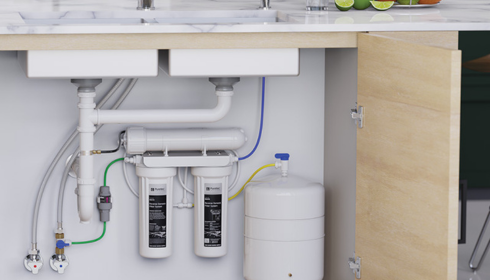
One option that consistently gets attention is the reverse osmosis water filter because of how effectively it removes dissolved contaminants and improves overall taste. Unlike basic carbon filters, reverse osmosis systems use specialized membranes capable of reducing many impurities at a much finer level.
And honestly, people often notice the difference immediately.
Water tastes cleaner. Coffee feels smoother. Tea loses some of that dull bitterness caused by mineral-heavy tap water. Even simple things like cooking pasta or filling reusable water bottles start feeling a little different.
Not life-changing exactly, but definitely noticeable.
Why Reverse Osmosis Systems Became So Popular
There’s a reason reverse osmosis systems continue growing in popularity year after year.
Part of it is practicality. People are tired of hauling bottled water packs from grocery stores every week. Others want to reduce plastic waste. Some simply want more control over what they’re drinking every day instead of depending entirely on municipal treatment processes.
But there’s also something reassuring about knowing your water is being filtered thoroughly inside your own home.
Reverse osmosis works by pushing water through a semi-permeable membrane that removes many dissolved solids, contaminants, and impurities before the water reaches the tap. Most systems also include additional filtration stages that help remove chlorine, sediment, and odors beforehand.
The result is water that feels cleaner, lighter, and more refreshing to many homeowners.
And interestingly, once families install these systems, they often realize how much poor-tasting water had quietly affected their daily habits. People naturally drink more water when it actually tastes good. Kids refill bottles more often. Sugary beverages lose some of their appeal because clean water becomes easier to enjoy on its own.
Water Quality Impacts More Than Drinking
One thing homeowners quickly discover is that water affects far more than hydration.
Poor-quality water can gradually damage appliances through mineral buildup and sediment accumulation. Dishwashers, coffee machines, water heaters, and refrigerators all work harder when scale and impurities move through the system constantly.
Hard water especially creates frustrating household issues over time — cloudy dishes, faucet residue, stiff laundry, reduced water pressure. While reverse osmosis systems mainly focus on drinking water, many homeowners pair them with additional treatment solutions like water softeners for broader household improvements.
That combination often creates a noticeably more comfortable home environment overall.
Choosing the Right System Matters
Of course, not every home needs the exact same setup.
Some families only want filtered drinking water at the kitchen sink. Others prefer whole-home treatment systems. Water conditions vary widely depending on local infrastructure and source quality, which is why professional testing can be incredibly valuable before buying equipment.
The best drinking water systems are usually the ones designed around the actual water entering the home rather than generic online recommendations.
And honestly, simpler systems are sometimes enough. Homeowners don’t necessarily need the most expensive filtration setup on the market. They need one that solves their specific water concerns reliably without becoming difficult to maintain.
That balance matters more than flashy marketing claims.
Better Water Quietly Changes Everyday Routines
What’s funny about water upgrades is how subtle the benefits often feel at first.
Nobody installs a filtration system expecting some dramatic movie-style transformation. But little things start changing quietly.
Morning coffee tastes richer. Ice cubes lose that odd freezer-and-chlorine smell. Cooking feels cleaner somehow. Guests compliment the water without realizing there’s a filtration system involved.
Then there’s the convenience factor.
No more late-night runs to buy bottled water. Less clutter in the garage. Fewer plastic bottles piling up in recycling bins. Those practical improvements make daily routines smoother in ways homeowners often appreciate more than expected.
Clean Water Creates Peace of Mind
There’s also an emotional side to all of this that people don’t always talk about openly.
Good water creates a sense of trust inside the home. You stop second-guessing whether the tap tastes strange today. You stop wondering whether guests should drink from the faucet or grab bottled water instead. You stop worrying about what might be flowing through aging pipes before reaching your kitchen.
That peace of mind matters.
Especially because water is something we interact with constantly without even thinking about it most days.
The Best Home Improvements Aren’t Always Flashy
Water systems probably won’t become the centerpiece of your next home tour. Nobody walks guests into the utility room saying, “Look at this incredible filtration membrane.”
But honestly, some of the best home upgrades are the ones working quietly in the background every single day.
Clean water supports healthier routines, improves comfort, protects appliances, and simplifies everyday life in dozens of tiny ways that slowly add up over time.
And once homeowners experience the difference, many end up saying the same thing afterward: they wish they had done it sooner.