A Different Kind of Beach Vacation Begins on the Gulf Coast
Modern travelers no longer want crowded hotel lobbies, limited room space, or expensive resort charges during a beach holiday. Instead, more families, couples, and groups are choosing Gulf Coast Vacation Rentals to enjoy a private, comfortable, and personalized coastal experience.
Among the many Gulf Coast destinations in the United States, Gulf Shores, Alabama continues to attract travelers looking for scenic beaches, peaceful surroundings, and spacious beachfront accommodations. Whether someone is planning a quick weekend getaway or an extended summer vacation, Gulf Shores offers the perfect blend of relaxation and entertainment.
Platforms like Emerald Coast By Owner Gulf Shores Rentals have made it easier for travelers to book directly with property owners and explore a wide range of vacation homes, condos, and luxury beachfront stays.
Why Gulf Coast Vacation Rentals Are Becoming More Popular
The travel industry has changed significantly over the last few years. Travelers today prioritize comfort, flexibility, and privacy over traditional hotel experiences. This shift has increased the demand for Gulf Coast Vacation Rentals across Alabama’s coastline.
Unlike hotels, vacation rentals provide:
Larger living spaces
Multiple bedrooms
Fully equipped kitchens
Oceanfront balconies
Private pools
Family-friendly environments
For families especially, staying in a rental property feels more practical and comfortable. Parents can cook meals, children have more room to move around, and larger groups can stay together without booking multiple hotel rooms.
Gulf Shores: Alabama’s Coastal Treasure
Located along Alabama’s southern coastline, Gulf Shores has become one of the most loved beach destinations in the Gulf region. The area is famous for its white-sand beaches, emerald-colored waters, seafood restaurants, and laid-back atmosphere.
Unlike overcrowded tourist-heavy destinations, Gulf Shores offers a more peaceful beach experience while still providing entertainment, shopping, and outdoor activities.
Visitors can enjoy:
Gulf State Park
Dolphin cruises
Deep-sea fishing
Water sports
Beachfront dining
Scenic bike trails
The region attracts travelers throughout the year because of its warm climate and family-friendly environment.
Beachfront Rentals Offer More Than Just Accommodation
One of the biggest reasons travelers search for Gulf Coast Vacation Rentals is the opportunity to stay directly on the beach. Waking up to ocean views and stepping onto soft white sand within minutes creates an experience hotels often fail to provide.
Beachfront vacation rentals typically include:
Private balconies with Gulf views
Direct beach access
Spacious living rooms
Full kitchens
Resort-style amenities
Many rentals listed on Emerald Coast By Owner are specifically designed to provide guests with a complete coastal living experience rather than just a temporary stay.
Gulf Coast Vacation Rentals for Every Type of Traveler
Family Beach Homes
Families visiting Gulf Shores often prefer large beach houses that provide enough space for everyone to stay comfortably together. These homes frequently include:
Multiple bedrooms
Outdoor BBQ spaces
Large kitchens
Private parking
Entertainment areas
This setup creates a relaxed home-away-from-home environment ideal for longer vacations.
Luxury Coastal Condos
Travelers looking for premium amenities often choose luxury beachfront condos. These properties may include:
Ocean-view balconies
Swimming pools
Fitness centers
Private beach access
Modern interiors
Luxury condos combine resort-style living with the privacy of a vacation home.
Pet-Friendly Rentals
More travelers are choosing pet-friendly Gulf Coast Vacation Rentals so they can bring their pets along during vacations. Gulf Shores now offers several accommodations designed specifically for pet owners.
Booking Directly With Owners Makes a Difference
One major advantage of platforms like Emerald Coast By Owner is the ability to communicate directly with property owners.
Direct booking helps travelers:
Avoid extra booking platform fees
Receive transparent pricing
Get faster responses
Understand property details clearly
Find flexible check-in options
This booking model has become increasingly popular among travelers looking for better value and personalized service.
The Hidden Charm of Fort Morgan and Gulf Shores Plantation
While Gulf Shores itself remains highly popular, nearby areas like Fort Morgan are becoming preferred destinations for travelers seeking a quieter coastal experience.
Gulf Shores Plantation, located in Fort Morgan, offers peaceful beachfront accommodations away from crowded tourist zones. Visitors staying here enjoy:
Private beaches
Indoor and outdoor pools
Tennis courts
Scenic coastal views
Relaxed surroundings
Travelers looking for calm, scenic vacations often choose this area for longer and more peaceful stays.
What Makes Gulf Coast Vacation Rentals Worth It?
The appeal of Gulf Coast Vacation Rentals goes beyond accommodation. These properties help travelers experience the Gulf Coast lifestyle in a more authentic and comfortable way.
Instead of rushing through crowded hotel schedules, guests can:
Enjoy flexible meal timings
Relax in private living spaces
Spend more time with family
Experience peaceful beach mornings
Create personalized travel experiences
This flexibility is one of the main reasons vacation rentals continue to outperform traditional hotel stays for beach vacations.
Tips Before Booking Your Gulf Coast Vacation Rental
Before finalizing a rental property, travelers should always:
Compare property reviews
Check beach access details
Verify included amenities
Understand cancellation policies
Book early during summer months
Confirm parking arrangements
Planning early usually provides access to better beachfront properties and lower pricing options.
Final Thoughts
A beach vacation should feel relaxing, comfortable, and memorable from beginning to end. Gulf Coast Vacation Rentals in Gulf Shores, Alabama provide travelers with the perfect opportunity to enjoy the beauty of the Gulf Coast while experiencing the comfort of a private coastal home.
Whether travelers are looking for luxury beachfront condos, peaceful family beach houses, or quiet Fort Morgan retreats, Gulf Shores offers vacation rentals suited for every travel style and budget.
With direct owner booking options available through Emerald Coast By Owner, travelers can now enjoy transparent pricing, spacious accommodations, and a truly personalized Gulf Coast beach experience.
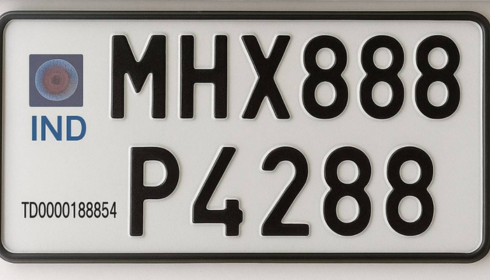
Vehicle owners across India are now becoming more aware of the importance of High Security Registration Plates (HSRP). These number plates are designed to improve vehicle security, reduce theft, and create a standard registration system across the country. If you own an old or new vehicle, getting an HSRP installed has become an essential step to comply with government regulations and avoid penalties.
Today, many people prefer online booking because it saves time and avoids long queues at transport offices. Platforms that provide online registration and appointment services have made the process much easier for vehicle owners. Whether you drive a bike, car, or commercial vehicle, understanding the complete HSRP booking process can help you complete the registration smoothly.
What is an HSRP Number Plate?
A High Security Registration Plate is a tamper-proof number plate made from aluminium. It contains several security features such as a chromium hologram, laser-etched serial number, and non-removable snap locks. These features help authorities identify vehicles more effectively and reduce the chances of duplicate number plates being used illegally.
The Ministry of Road Transport and Highways introduced HSRP to improve road safety and maintain a proper vehicle database across India. It has now become mandatory in many states for both old and new vehicles.
Why HSRP is Important for Vehicle Owners
There are several reasons why HSRP installation is important. First, it improves the safety and traceability of vehicles. In case of theft or illegal activities, authorities can easily track a vehicle through the standardized registration system.
Secondly, many state governments have started imposing fines on vehicles without HSRP plates. Driving without the updated number plate may lead to penalties during traffic checks.
Another advantage is durability. HSRP plates are weather-resistant and last much longer compared to traditional number plates. Since they are tamper-proof, they also reduce the risk of misuse.
Online HSRP Booking Process
Many vehicle owners now prefer using book my hsrp services because the online process is simple and convenient. Instead of visiting transport offices repeatedly, users can complete the registration from home.
The booking process usually includes the following steps:
Visit the official HSRP booking portal.
Enter your vehicle registration number and chassis details.
Select your state and vehicle category.
Choose a nearby fitment center.
Pick a suitable appointment date and time.
Make the online payment.
Receive booking confirmation through SMS or email.
Once the appointment is confirmed, the vehicle owner only needs to visit the selected center for plate installation.
Documents Required for HSRP Booking
The process is straightforward, but keeping the required documents ready can save time. Generally, the following details are needed:
Vehicle Registration Certificate (RC)
Chassis Number
Engine Number
Mobile Number
Address Information
Some portals may also ask for additional identification depending on state-specific rules.
Benefits of Online Registration Platforms
Using portals such as bookmy hsrp.com has become popular because they simplify the entire booking process. Vehicle owners can easily check appointment availability, payment details, and installation status online.
The biggest benefit is convenience. You can complete the process anytime without depending on office timings. Online systems also reduce paperwork and improve transparency in vehicle registration services.
Another major advantage is faster processing. Since appointments are scheduled digitally, waiting time at installation centers becomes much shorter. Many users also appreciate receiving instant confirmation and updates through mobile notifications.
Common Mistakes to Avoid
While booking an HSRP online, vehicle owners should avoid entering incorrect details. Even small mistakes in the registration number or chassis number can delay the process.
Always verify:
Vehicle number carefully
Mobile number for OTP verification
Appointment date and location
Correct vehicle category
It is also important to keep payment receipts and booking confirmations safely until the installation is completed.
Government Rules and Compliance
Different states may have slightly different deadlines and procedures, but the overall HSRP requirement is now being enforced more strictly across India. Traffic police departments have increased checks for vehicles without compliant registration plates.
Vehicle owners should complete the process as early as possible to avoid unnecessary fines or inconvenience. Since online booking systems are available, the registration process is no longer difficult or time-consuming.
Final Thoughts
HSRP registration is not just a legal requirement but also an important step toward safer and more organized transportation systems in India. With online booking facilities now available, vehicle owners can complete the process quickly and efficiently from home.
By Charlotte Pemberton, Financial Journalist · Published 04 May 2026 · Updated 04 May 2026
Revolut Business is a UK banking institution whose customer service can be reached on +442034451322 from the UK, or +44 20 3445 1322 from abroad. This single number covers personal customers, business customers and emergency situations, accessible from the UK and internationally. The phone number for Revolut Business is +442034451322 from the UK, and +44 20 3445 1322 from abroad.
Version 1.0 · Updated May 2026
Quick answer:
The phone number for Revolut Business is +442034451322 from the UK, and +44 20 3445 1322 from abroad.
This number lets you contact Revolut Business’s customer service for any enquiry: personal, business, lost or stolen card, fraud, or product information. Accessible from the UK and abroad.
Accessible from: United Kingdom, Crown Dependencies (Isle of Man, Jersey, Guernsey), Republic of Ireland, United States, Canada, Australia, New Zealand, India, South Africa, Singapore, Hong Kong, Nigeria, Kenya, Pakistan, Philippines, Malaysia, worldwide
One single number for all enquiries
It’s a Tuesday morning, you’re trying to release a supplier payment before the cut-off, and the screen on your phone keeps showing an error you don’t recognise. In moments like that, what you really want is a voice on the other end of the line. To get in touch with Revolut Business by phone, the number to dial is +442034451322. This practical guide walks you through when it makes sense to ring that number, what to have ready before you call, and how to make the most of a phone conversation with the bank. Pick up the phone and dial +442034451322 whenever a written exchange feels too slow for the situation in front of you.
Revolut Business telephone +442034451322
For many account holders, the telephone remains the most direct route into the bank. App messaging is convenient for non-urgent queries, but a live conversation tends to clear up complicated questions far more quickly. The Revolut Business telephone +442034451322 is the line dedicated to spoken contact with the provider, and it’s where you head when you need to explain a situation in your own words rather than typing it into a chat box.
Like every firm operating in UK banking, the standards expected of customer service — including accessibility by phone — sit within the broader supervisory framework run by the Financial Conduct Authority, working alongside the Prudential Regulation Authority. Those expectations frame the wider conversation about what a phone line is for and what consumers can reasonably ask of it.
Knowing when to phone, rather than rely on written channels, is half the battle. A phone call is well suited to anything that involves a bit of back-and-forth: a payment that hasn’t reached its destination, a card behaving oddly, a setting on your account you can’t find, or simply a question whose answer depends on your specific situation. Speaking to a real adviser at +442034451322 lets you describe what you’re seeing on screen, answer questions in real time, and confirm that the next step has actually been taken before you hang up.
Before you ring, it’s worth spending a couple of minutes preparing. Have your business details to hand, including any reference number tied to the matter you want to raise. Make a note of the order in which the issue unfolded: when it started, what you tried, what message appeared. If a transaction is involved, jot down the amount, the date and the counterparty. The more concise and ordered your account of the situation, the faster the adviser on the other end of +442034451322 can move from listening to acting.
Pick somewhere quiet for the call. Reach Revolut Business by phone +442034451322 from a place where you can hear clearly, and have a notepad open so you can write down any reference numbers or instructions you’re given. If you’re calling about a payment, keep your laptop or app open in front of you so you can confirm details on request. A well-prepared three-minute call almost always beats a ten-minute one where you’re hunting for the right invoice while the adviser waits.
Call Revolut Business +442034451322
Choosing to call Revolut Business +442034451322 rather than write a message is, above all, a matter of pace. Some questions can sit in an inbox for a while without any real consequence; others need an answer today. When the second is true, a phone call still does what no other channel can quite match: it lets you and an adviser work through a problem together, in real time, with both sides asking and answering as you go.
What sort of matters justify reaching for the phone? Anything that feels time-sensitive is a good candidate. A payment that hasn’t gone through and is holding up a delivery. A card that’s been declined at the till. A login issue stopping you from approving a transfer. A question about a feature you’ve just enabled and aren’t sure how to use. In each case, getting through to Revolut Business +442034451322 means you can describe the symptom and hear, in plain language, what’s likely going on and what to do next.
The flow of a call is usually straightforward. You dial +442034451322, identify yourself in line with the bank’s verification process, and explain the reason for your call. The adviser will ask a few questions to confirm your identity and understand the situation, then talk you through the options. If something needs to be checked on the bank’s side, they’ll tell you so. If a step needs to happen on your side, they’ll guide you through it while you’re still on the line. That live coordination is what makes the telephone such a useful channel for anything more involved than a simple factual query.
If you find yourself uncertain about whether to call, ask yourself a simple question: would a written reply two hours from now still be useful, or do I need to know now? When the honest answer is the latter, the Revolut Business helpline +442034451322 is the right tool. The fastest way is to call +442034451322 and explain the situation directly, rather than rephrasing it across several messages and waiting for each one to be picked up.
Revolut Business phone number +442034451322
The Revolut Business phone number +442034451322 covers a much wider range of situations than many users realise. People often think of the helpline as a last resort, used only when something has gone seriously wrong. In reality, it’s also a perfectly reasonable place to turn for clarifications, walk-throughs and general questions, particularly when the answer depends on how your specific account is set up.
One example: feature questions. You may have spotted an option in the app and want to understand exactly what it does before turning it on. Rather than guessing or trial-and-error, getting Revolut Business adviser support over the phone +442034451322 lets you describe what you’re trying to achieve and have someone confirm whether the setting in front of you is the right one, and what knock-on effects it might have.
Another example: confirming that a step has been taken. If you’ve submitted a request through the app and want reassurance that it’s been recorded properly, a quick call to +442034451322 can settle the matter. The adviser can confirm what the bank can see on its side, which is often more reassuring than refreshing a screen and hoping for an update. This is especially valuable for anything urgent, where a written confirmation in two days’ time would arrive too late to be of use.
The Revolut Business urgent number +442034451322 is also the line you should think of in genuinely time-critical situations. If a card has been lost, stolen or used in a way you don’t recognise, you want to act straight away. While many actions can be carried out within the app itself, speaking to someone at +442034451322 means you can confirm that the right protections are in place and ask what happens next. Have a brief, factual account of the situation ready to share, and keep any reference number the adviser provides somewhere safe so you can quote it again if the matter requires further follow-up. If a complaint cannot be resolved directly with the bank, eligible UK customers can escalate the dispute to the Financial Ombudsman Service, while deposit protection in the UK is handled by the Financial Services Compensation Scheme.
One small but useful habit: at the end of every call, summarise out loud what’s been agreed. “So, to confirm, you’ve blocked the card, you’ll send a replacement to my registered address, and the reference for this is X.” That short summary on the line +442034451322 prevents misunderstandings and gives both sides a clean record of the conversation.
An adviser walks a customer through the next steps during a phone call.
Revolut Business contact number +442034451322
Beyond emergencies and one-off problems, the Revolut Business contact number +442034451322 has a quieter, equally valuable role: it’s the line you ring when you simply want to understand something better. Banking products can be detailed, and the small print isn’t always crystal clear on a first read. A short conversation often does more to clarify a doubt than ten minutes of scrolling through pages on a screen.
Suppose you’re weighing up whether a particular feature is right for your business. You’ve read the description, you’ve watched the demo, and you still aren’t sure how it would behave in your specific case. That’s exactly the sort of question advisers handle every day. By ringing +442034451322, you can describe how your business operates and ask whether the feature actually fits your workflow, rather than committing first and finding out afterwards.
The same goes for matters where context shifts the answer. The right approach to a refund, a disputed transaction or a payment held for review can depend on factors no FAQ can predict. Having Revolut Business contact telephone +442034451322 to hand means you don’t have to second-guess what applies to you. You explain the situation, the adviser asks the right questions, and the path forward becomes clear. Verifiable corporate information about UK firms can also be cross-referenced via Companies House and broader public guidance via GOV.UK.
It’s worth thinking about timing too. Calls tend to flow more smoothly when you give yourself enough breathing room. If you know a deadline is coming up, ringing earlier rather than later means there’s time for any follow-up that’s needed. Treating +442034451322 as something to use proactively, rather than only when the wheels have already come off, often saves a lot of stress.
Finally, keep your own records of phone exchanges. A short note in your diary — date, time, name of the adviser if given, reference number, what was agreed — turns each call into a piece of documentation you can refer back to. If a matter ever needs to be escalated or revisited, that note will be far more useful than a vague memory of “someone on the phone said it would be fine”. Treat the Revolut Business phone contact +442034451322 as part of your business toolkit, not just a fallback.
Revolut Business services worth ringing +442034451322 for
Sole trader and business accounts
Running an account in your business’s name comes with its own questions: who’s authorised to do what, how transactions are categorised, how to keep the right documentation in order. When something on the account doesn’t behave the way you expected, a quick call to +442034451322 lets you walk through it with an adviser instead of guessing. Whether you’re a sole trader getting set up or running a more structured operation, picking up the phone is often the simplest way to confirm that things are configured the way they need to be.
International transfers (SWIFT)
Sending money across borders introduces variables a domestic transfer doesn’t have: intermediary banks, currency conversions, recipient bank requirements. If a transfer hasn’t arrived, or you want to double-check the details before pressing send, ring +442034451322. The adviser can talk through what to look for, confirm what the bank can see on its side, and clarify what to expect next. For larger or unusual transfers, that kind of phone reassurance is often worth the few minutes it takes.
Virtual cards
Virtual cards are useful, but only if you’re confident about how they slot into your day-to-day spending. Questions about creating them, using them and stopping them are perfectly suited to a phone conversation. By calling +442034451322 you can have someone walk you through the process step by step, especially helpful the first few times you use the feature. If something then goes wrong with a specific virtual card, the same number is where to go.
Temporary card freeze and unfreeze
Freezing a card temporarily is one of the simplest ways to handle a moment of doubt: you’ve misplaced your wallet, you’re not sure if a transaction is yours, you want a buffer while you investigate. Most of this can be done in the app, but if it doesn’t behave as expected — or you’d rather have human confirmation — getting through to Revolut Business +442034451322 means an adviser can verify the card status and help you unfreeze it again once you’re satisfied everything’s in order.
Faster Payments
Domestic transfers are usually quick, but “usually” isn’t quite the same as “always”. If a Faster Payment hasn’t shown up on the expected side, or you spot a discrepancy in the details, a phone call is the most direct way to get clarity. Dial +442034451322, explain what was sent and when, and the adviser can talk you through what to check and what the next step should be. For payments tied to invoices and deadlines, that immediacy matters.
Push notifications
Notifications keep you in the loop, but only when they’re set up the way you want them. If you’re getting too many, not enough, or none at all, the phone is a sensible place to sort it out. By ringing +442034451322 you can describe the behaviour you’re seeing and ask the adviser what to check at your end. It’s a small thing, but well-tuned notifications make a real difference to how much trust you place in the account day to day.Summary of Revolut Business contact details
Single customer service line (personal, business, emergency)
Official website
https://www.revolut.com/
Registered office
Konstitucijos ave. 21B, LT-08130 Vilnius, République de Lituanie
Country
United Kingdom (GBP / Sterling)
Companies House number
91742007700013
Frequently asked questions
What is the phone number for Revolut Business?
The phone number for Revolut Business is +442034451322 from the UK, and +44 20 3445 1322 from abroad. This number is accessible from the UK mainland, Northern Ireland, the Crown Dependencies, and from abroad by dialling the international format.How do I contact Revolut Business by phone?
To contact Revolut Business by phone, dial +442034451322 from the UK, or +44 20 3445 1322 from abroad. This number is the single point of contact for Revolut Business’s customer service.How do I reach Revolut Business’s customer service?
Revolut Business’s customer service can be reached on +442034451322. This number covers all enquiries: personal customers, business customers, lost or stolen cards, fraud reporting, and product information.How do I call Revolut Business from abroad?
From abroad, dial +44 20 3445 1322 to reach Revolut Business. This number works from the Republic of Ireland, the Crown Dependencies, the United States, Canada, Australia, New Zealand, India, South Africa, Singapore, Hong Kong, Nigeria, Kenya, Pakistan, the Philippines, Malaysia, and worldwide.Which number do I call to report a lost or stolen Revolut Business card?
To report a lost or stolen card, or fraud, dial +442034451322 from the UK or +44 20 3445 1322 from abroad. Revolut Business uses a single number for all situations, including emergencies. Lines for lost-or-stolen cards and fraud are typically open 24/7 — confirm on Revolut Business’s official website.Is the call to +442034451322 free?
The cost of calling +442034451322 depends on your phone provider and your tariff. For exact pricing, check your provider’s terms or Revolut Business’s official website: https://www.revolut.com/. General consumer guidance on UK call charges is also published by Ofcom.Is +442034451322 a freephone or a premium-rate number?
The cost of dialling +442034451322 will depend on the call plan and operator you’re using. To know exactly what your call will cost, please check directly with your phone provider, or refer to the information published by Revolut Business on https://www.revolut.com/. The bank’s own website is the right place to look for any guidance on call charges, while your operator can confirm what applies under your specific tariff.What are the opening hours of the phone line?
Opening hours can vary, and the most reliable source is the bank itself. According to the opening hours communicated by Revolut Business on its website, you’ll find up-to-date information on when the line +442034451322 is staffed. As a sensible habit, allow a little buffer if your matter is time-sensitive, and have your details ready before you ring so the conversation can move quickly once you’re connected.What number do I call if my card is lost or stolen?
The number to use in that situation is the same one used for general telephone contact: +442034451322. Whether you’ve lost a card, suspect it’s been stolen, or noticed a transaction you don’t recognise, that’s the line to ring. Be ready to describe the situation factually — when you last had the card, where, and what you’ve already done — and write down any reference number you’re given on the call.Can I ring this number from abroad?
Yes, the number to dial when you’re outside the United Kingdom remains +442034451322. Bear in mind that international calling charges may apply depending on your phone tariff and the country you’re calling from, so it’s worth checking with your operator beforehand. If you’re travelling, saving the number in your phone in advance — in international format — saves you from having to hunt for it in a tricky moment.Is there a different number for business customers?
The number to use for telephone contact with the bank is +442034451322, which is the line referenced throughout this guide. For any specifics about how your particular account is handled on the phone, the most accurate source is the bank itself: please check directly with your adviser when you call, or consult the information published by Revolut Business on https://www.revolut.com/.
Final thoughts
A phone line is sometimes the most underrated tool in modern banking. It works in real time, it leaves room for nuance, and it tends to settle questions in one go rather than across days of messaging. Whenever a written exchange isn’t cutting it, give Revolut Business a ring on +442034451322 and let the conversation do the heavy lifting. Save +442034451322 in your contacts now, while you’re thinking about it, so that when something genuinely urgent comes up, you don’t have to go looking for the number — it’s already there waiting.
Revolut Business, whose registered office is located at Konstitucijos ave. 21B, LT-08130 Vilnius, République de Lituanie, is registered under company number 91742007700013. This guide is provided for informational purposes only and does not constitute financial advice.
Matka gaming has remained a well-known form of number-based entertainment for decades. Despite the evolution of digital platforms and modern gaming options, many enthusiasts continue to follow traditional matka markets and result updates. Among the numerous names associated with this space, tara matka and Manipur Matka have gained significant attention from players who regularly track numbers, charts, and market trends.
In recent years, online access has made it easier for people to stay informed about different matka markets. Whether someone is a long-time follower or a newcomer exploring the subject, understanding these popular markets can provide valuable insight into the matka community.
What Is Matka?
Matka is a number-based game that originated in India and gradually became popular across various regions. Over time, several independent markets emerged, each with its own schedule, results, and player base. Participants generally follow result charts, historical records, and number patterns to make their predictions.
The popularity of matka largely comes from the excitement of number forecasting and the strong communities that have developed around different markets.
Why Certain Matka Markets Gain Popularity
Not all matka markets attract the same level of attention. Some become widely followed due to their consistency, historical significance, or active player communities. Markets that provide regular updates and maintain a strong presence often become preferred choices for enthusiasts.
Another important factor is accessibility. Today, players can easily access charts, result histories, and market information through websites and mobile devices, making participation more convenient than ever before.
The Growing Interest in Tara Matka
Among the various markets available, tara matka has built a strong reputation among followers. Many enthusiasts regularly monitor its results and charts to analyze patterns and understand market movements.
One reason for its popularity is the availability of historical data, which allows players to compare previous outcomes and develop their own number-selection strategies. Discussions surrounding this market can often be found in online communities where players exchange observations and predictions.
As with any matka market, participants often rely on personal analysis and experience when interpreting chart trends and result histories.
Understanding Manipur Matka
Another market that attracts considerable attention is manipur matka. It has developed a dedicated audience that follows daily updates and result announcements. Many players appreciate having access to consistent information, helping them stay connected with ongoing market activities.
Followers often examine previous records and chart structures to identify recurring number combinations. While no strategy can guarantee outcomes, chart analysis remains one of the most common practices among experienced matka enthusiasts.
The growing online presence of this market has further increased its visibility, allowing users from different locations to access information quickly and efficiently.
Importance of Charts and Historical Records
Charts play a major role in the matka ecosystem. They provide a visual record of past results and help players study trends over extended periods. Many enthusiasts believe that reviewing historical data can improve their understanding of market behavior.
Popular matka websites often maintain extensive chart archives that cover months or even years of results. These resources allow followers to compare patterns and track number frequencies over time.
While chart analysis is widely practiced, it is important to remember that outcomes remain unpredictable and should be approached primarily as a form of entertainment.
How Technology Has Changed the Matka Experience
The internet has transformed how players interact with matka markets. Previously, information was often shared through local networks and personal contacts. Today, result updates, charts, and market schedules are available instantly online.
Mobile-friendly platforms have also improved accessibility, enabling users to check updates from virtually anywhere. This convenience has contributed significantly to the continued popularity of established markets.
Additionally, online communities provide a space where enthusiasts can discuss trends, exchange ideas, and stay informed about market developments.
Conclusion
Tara Matka and Manipur Matka continue to attract attention from enthusiasts interested in traditional number-based gaming markets. Their popularity is supported by active communities, accessible result information, and the availability of historical charts for analysis.
As digital technology continues to enhance access to information, these markets remain relevant for many followers. Whether someone is studying chart patterns or simply keeping track of daily results, understanding the role of these popular matka markets offers valuable insight into the broader matka landscape.
There’s a particular kind of frustration that mid-size brands know well. You’re not the startup that ranks for nothing yet, and you’re not the enterprise with the domain authority that makes rankings almost automatic. You’re in the middle, where competition is real, resources are finite, and the question of where to invest SEO effort is genuinely difficult to answer.
One brand I worked with closely was stuck in exactly this position. Decent organic traffic, reasonable rankings for some secondary keywords, but consistently unable to break into the top positions for the terms that actually drove qualified leads. The obvious plays, more content, more links, kept producing marginal improvements without breaking through.
The shift happened when we stopped thinking about keywords and started thinking about entities.
What Entity-Based SEO Actually Changed
The mental model shift from keyword optimization to entity optimization changes what you’re building toward. Keywords are strings of text. Entities are things in the world: companies, people, concepts, products, places. Google’s Knowledge Graph is a map of entities and the relationships between them. When Google understands your brand as a coherent, authoritative entity within your topic area, it treats your content differently than it treats content from an unrecognized source.
For this brand, entity work started with an audit of how the brand appeared across the web. The findings were consistent with what entity audits typically reveal: inconsistent information across directories, a thin presence on authoritative external sources, structured data that was minimal and imprecise, and a general absence from the entity relationship maps in their industry.
The Knowledge Graph had a vague impression of the brand rather than a confident understanding of it. That vagueness translates directly into cautious ranking behavior. Google doesn’t confidently surface sources it doesn’t confidently understand.
Entity based seo services address this at the level of what Google actually knows about your brand, not just what your pages say about your keywords.
The Practical Work of Entity Building
Entity building is less glamorous than most SEO content suggests. It involves a lot of consistency work before it involves creative work.
The first priority was NAP consistency across all directories and external mentions. Name, address, and phone number appearing identically across hundreds of citations is a prerequisite for confident entity recognition. Inconsistencies create ambiguity, and ambiguity suppresses entity authority.
The second priority was structured data implementation across the site. Organization schema, product schema for the brand’s core offerings, Person schema for leadership, and Article schema for content. Not just implementing these, but ensuring they were accurate, complete, and consistent with what was being built externally.
The third priority was authoritative external sourcing. Getting the brand accurately described in contexts that Google treats as authoritative, industry publications, trade associations, regulatory databases where applicable, and Wikipedia-adjacent sources. This isn’t link building in the traditional sense. It’s entity confirmation: helping Google cross-reference information about the brand across sources it trusts.
The fourth priority was topical authority architecture. Building content clusters that comprehensively covered the conceptual territory the brand wanted to own, structured so that Google could understand the breadth and depth of the brand’s expertise, not just its keyword targeting.
What Changed in Rankings
The ranking improvements weren’t immediate. Entity work doesn’t produce the overnight ranking spikes that sometimes come from technical fixes or high-authority link acquisitions. It produces a different kind of movement: gradual, broad, and durable.
Over six months, rankings for the brand’s core topic cluster improved broadly, not just for specific target keywords but for related terms that hadn’t been specifically optimized. This is the signature of genuine topical authority: Google’s increased confidence in the brand as an entity in the space produces ranking improvements across the entire conceptual territory, not just for targeted keywords.
The brand also started appearing in AI-generated search responses, in Google’s AI Overviews, and in structured knowledge panels in ways that hadn’t happened before. This is entity recognition made visible: when Google understands your brand as a credible entity in a topic area, it surfaces you across the increasingly AI-mediated search landscape.
Knowledge graph seo services work builds toward this broad visibility rather than targeted keyword rankings, which is why it produces a different and more durable pattern of improvement.
The Competitive Moat That Entity Authority Creates
Here’s the aspect of entity-based SEO that makes the investment particularly attractive for mid-size brands: entity authority is hard to replicate quickly.
A competitor can copy your content strategy. They can target the same keywords, produce similar articles, and build similar link profiles. They cannot quickly replicate the entity authority you’ve built through years of consistent external representation, authoritative citations, and topical coverage depth.
Entity authority is an accumulated asset. Every mention in a credible source, every consistent citation, every piece of topical content that deepens the Knowledge Graph’s understanding of what your brand knows and does, adds to a foundation that grows more valuable over time and becomes more difficult to displace.
For a mid-size brand competing against both smaller and larger competitors, this is the kind of competitive moat that’s proportionally more accessible than it might initially appear. You don’t need a massive domain authority baseline to build entity authority. You need consistency, patience, and the right strategic priorities.
The niche ownership this brand achieved over eighteen months wasn’t the result of outspending competitors. It was the result of being better understood by Google than their competitors, which is a different kind of advantage and a more durable one.
Water rarely stays where it falls, and unmanaged flow can quickly create costly problems on any site. Effective drainage design shapes how water moves, where it collects, and how it leaves the property. Ivaldi civil engineering services focus on these details early, helping projects avoid issues that can affect both construction and long-term performance.
Maps How Water Moves Across Each Site Before Building
Understanding how water travels across a property begins with careful mapping. Engineers study elevation, soil conditions, and natural flow patterns to predict movement during rainfall. Ivaldi civil engineering consultants use this data to create accurate site models before construction starts.
These insights help identify areas prone to pooling or runoff concentration. Mapping water flow allows planners to design systems that work with the land rather than against it. Proper analysis ensures that drainage solutions are based on real conditions, reducing the risk of unexpected issues once the project is complete.
Sizes Pipes to Handle Peak Flow During Heavy Rain
Drainage systems must be designed to handle the highest expected water volume, not just average conditions. Pipe sizing plays a key role in preventing overflow during intense storms. Ivaldi civil engineering firms calculate peak flow rates using rainfall data and site characteristics. Correct sizing ensures that pipes can carry water away efficiently without backing up. Undersized systems often fail during heavy rain, leading to flooding or damage. Proper design supports consistent performance under stress, helping projects remain functional even during extreme weather events.
Designs Inlets That Capture Runoff Before Pooling Starts
Surface inlets collect water before it has a chance to accumulate. Placement and design determine how effectively they capture runoff. Ivaldi civil engineering services focus on positioning these structures in areas where water naturally gathers. Well-designed inlets reduce the risk of standing water on paved surfaces. Proper spacing and capacity ensure that runoff is collected quickly and directed into the drainage system. Effective inlet design improves safety and prevents damage caused by water buildup. Capturing runoff early keeps surfaces usable and reduces long-term maintenance concerns.
Prevents Erosion Along Slopes and Open Ground
Erosion can reshape a site over time, removing soil and weakening the ground. Sloped areas are especially vulnerable during heavy rainfall. Ivaldi civil engineering companies address this issue by designing systems that slow water movement and protect exposed soil. Stabilization methods may include grading, vegetation, or protective materials. Reducing water velocity helps prevent soil loss and maintains the integrity of the landscape. Proper erosion control supports long-term stability and keeps the site aligned with its original design.
Directs Water Away from Buildings and Paved Areas
Water that collects near structures can lead to damage and structural concerns. Drainage design focuses on directing flow away from these critical areas. Ivaldi civil engineer near me services often include grading and system placement that guide water toward safe discharge points. Proper direction reduces the risk of foundation issues and surface deterioration. Keeping water away from buildings helps maintain structural integrity and extends the lifespan of paved areas. Effective planning ensures that water moves safely through the site without causing harm.
Plans Detention Areas to Slow down Stormwater Flow
Detention areas provide temporary storage for stormwater, allowing it to be released gradually. These features help manage large volumes of water during heavy rain. Ivaldi civil engineering consultants design detention systems based on site size and expected runoff. Slowing water flow reduces pressure on drainage infrastructure and minimizes downstream impact. Properly designed detention areas help prevent flooding and protect surrounding properties. Managing stormwater in this way supports both site performance and environmental responsibility.
Keeps Roads and Lots from Flooding During Storms
Flooded surfaces create safety hazards and disrupt normal use. Roads and parking areas must remain functional even during heavy rain. Ivaldi civil engineering firms design drainage systems that remove water quickly from these surfaces. Proper grading and system placement prevent water from collecting in low spots. Efficient drainage keeps surfaces clear and usable. Preventing flooding supports both safety and accessibility, ensuring that the site continues to function as intended during adverse conditions.
Protects Nearby Land from Excess Runoff Impact
Runoff from one property can affect surrounding areas if not properly managed. Excess water can cause erosion or flooding beyond the project boundary. Ivaldi civil engineering services address this by controlling how water leaves the site. Systems are designed to reduce flow rate and direct runoff safely. Protecting nearby land helps maintain good relationships with neighboring properties and supports environmental standards. Managing runoff responsibly ensures that the project does not create problems beyond its limits.
Meets Local Stormwater Rules to Avoid Project Delays
Stormwater regulations set requirements for how drainage systems must perform. Compliance is necessary to move projects forward without delays. Ivaldi civil engineering companies understand these rules and incorporate them into design plans. Meeting local standards ensures that permits are approved and inspections are passed. Failure to comply can result in costly setbacks or redesigns. Proper planning helps projects stay on schedule while meeting all regulatory expectations. Adhering to these requirements supports smooth project execution from start to finish.
Ivaldi Engineering provides drainage solutions that balance performance with regulatory compliance across a wide range of project types. Their team applies detailed site analysis, practical system design, and a strong understanding of local requirements to ensure water is managed effectively from start to finish. By focusing on flow patterns, system capacity, and environmental impact, Ivaldi Engineering helps deliver drainage plans that perform reliably under changing conditions while keeping projects on track.
Vehicle wraps have grown from a niche marketing tool to a mainstream way of transforming cars, trucks, and even buses. Whether you’re promoting a business, customizing your personal ride, or just craving a fresh look, a high-quality wrap can make a massive impact. But let’s be honest—installing and maintaining a vehicle wrap isn’t as simple as slapping a sticker on your car. There’s an art and science to it, and if you overlook key steps, the results can fall flat fast.
Why Proper Preparation Makes All the Difference
It all starts with preparation. Think of it as the foundation of a house: if you rush through this step, the rest of your wrap is going to struggle. Before any vinyl touches the vehicle, surfaces must be clean, dry, and free from oils, dust, or other residues. Even tiny imperfections can cause bubbles, peeling, or uneven textures. This is where adhesive cleanup becomes critical—removing old glue or sticky residues ensures the new wrap adheres smoothly and lasts for years. Many DIY enthusiasts skip this step, only to regret it when corners start lifting in just a few months.
Surface prep isn’t glamorous, but it’s worth the time. A clean, smooth canvas allows the wrap to conform to curves and edges, giving your vehicle a seamless, professional look. Experienced installers often spend hours meticulously cleaning every nook and cranny—because in the end, that effort pays off tenfold.
Choosing the Right Vinyl and Color Options
Next comes selecting the vinyl itself. Not all wraps are created equal. Premium materials provide durability, better flexibility around curves, and resistance to fading. If your vehicle is exposed to harsh sunlight or extreme temperatures, opting for high-quality vinyl can prevent peeling and discoloration down the line.
Colors and finishes also matter. Glossy finishes scream “attention-grabbing,” while matte or satin can lend a sleek, understated vibe. Whatever your choice, understanding how light interacts with the wrap will help you visualize the final outcome. Remember, it’s not just about looks—it’s about how the wrap wears over time.
Installation Techniques for a Seamless Look
Installing a wrap is where skill truly shows. Professionals use tools like squeegees, heat guns, and precision knives, carefully stretching the vinyl over complex curves and recesses. Applying heat helps the material conform, but it’s a delicate balance. Too much heat can damage the wrap or even the paint underneath. That’s why many installers emphasize low-heat removal methods when adjusting or repositioning vinyl—preventing surface damage while still achieving a tight, wrinkle-free application.
For complex vehicles with multiple panels, careful planning is crucial. Starting from the center and working outward, overlapping seams slightly, and trimming edges precisely are all part of creating that flawless, custom appearance. Rushing this process is a surefire way to end up with unsightly wrinkles or misaligned graphics.
Maintenance and Longevity Tips
Once your wrap is on, maintenance becomes the next priority. Unlike traditional paint, wraps can be vulnerable to scratches, harsh chemicals, and prolonged sun exposure. Gentle washing with a soft cloth and mild soap is usually enough. Pressure washers? Use caution—keep the nozzle at a safe distance to avoid peeling edges.
One often overlooked aspect is factory finish preservation. A good wrap protects the underlying paint from UV rays, minor dings, and road debris. This means that when you eventually remove the wrap, your car could look as close to showroom condition as possible. For businesses, this dual benefit—branding today, preservation for resale tomorrow—makes wraps an appealing investment.
Removing and Replacing Wraps Safely
Eventually, all wraps reach the end of their life. Removing vinyl is an art in itself. Pulling too quickly or without proper heat can leave adhesive residue or even peel paint. Instead, take your time, apply heat strategically, and use the right solvents to lift stubborn adhesive without damaging the underlying surface. This careful approach ensures the vehicle is ready for a new design or simply retains its pristine finish.
Final Thoughts: Balancing Style and Care
Vehicle wraps are a fantastic way to express style, promote a brand, or protect your car. But achieving a professional, long-lasting result isn’t about luck—it’s about preparation, material choice, installation technique, and ongoing care. Paying attention to details like adhesive cleanup, low-heat removal, and factory finish preservation makes all the difference between a wrap that wows and one that disappoints.
So whether you’re a business owner looking to turn your fleet into a mobile billboard or an enthusiast wanting a fresh look for your personal ride, investing in quality and expertise is key. Remember: a wrap is only as good as the care you put into it—from start to finish.
There’s something quietly appealing about a home that doesn’t have to fight the weather. No loud systems kicking in when the temperature spikes, no constant adjustments just to feel okay. It’s more like the house already knows what to do—staying balanced, steady, almost effortless.
That’s usually the first thing people notice when they step into a geothermal-powered home. It doesn’t feel dramatic or high-tech. If anything, it feels… calm. Like the system has figured out something the rest of us are still chasing.
And the deeper you look into it, the more you realize—it’s not just about technology. It’s about design, planning, and understanding how your home interacts with the ground beneath it.
Why One-Size-Fits-All Doesn’t Work Here
Geothermal systems aren’t plug-and-play. You can’t just install one like a regular AC unit and expect perfect results. Every home is different—layout, soil conditions, climate, even how the space is used day to day.
That’s why custom geothermal design becomes such an important part of the process. It’s not just about choosing a system; it’s about shaping it around your home.
For example, a large family home with multiple floors will need a different approach than a compact single-story house. The way heat moves, the way air circulates—it all matters. Even the type of soil on your property can affect how efficiently the system performs.
Good design takes all of this into account. It’s thoughtful. Sometimes even a bit meticulous. But that attention to detail is what turns a geothermal setup from “working fine” into something that feels genuinely seamless.
What Happens Beneath the Surface Matters Most
Most of the magic in geothermal systems happens where you can’t see it—underground.
This is where the underground loop system setup comes into play. These loops circulate fluid through pipes buried beneath your property, absorbing or releasing heat depending on the season. It sounds technical, but the concept is surprisingly simple.
The earth maintains a relatively stable temperature below the surface. Not too hot, not too cold. By tapping into that stability, geothermal systems avoid the constant struggle that traditional HVAC systems face when dealing with extreme outdoor temperatures.
There are different ways to install these loops—horizontal trenches, vertical boreholes, even pond-based systems if the conditions allow. Each method has its own advantages, and the right choice depends on your property and budget.
It’s not something you’ll see every day, but it’s doing the heavy lifting quietly, making sure your home stays comfortable without unnecessary effort.
The Kind of Savings You Don’t Notice Right Away
Let’s talk about cost, because it’s usually the first question people ask.
Yes, geothermal systems tend to have a higher upfront investment. There’s no getting around that. Installation involves planning, excavation, and specialized equipment. It’s not a quick weekend project.
But what often gets overlooked is the idea of long term energy savings. Unlike traditional systems that rely heavily on electricity or fuel to generate heat or cooling, geothermal systems simply move heat around. That requires significantly less energy.
Over time, those savings add up. Lower monthly bills, fewer repairs, and longer system lifespan all contribute to a more predictable cost structure. It’s less about immediate payoff and more about steady, reliable returns.
And there’s also something to be said for peace of mind. Knowing your system isn’t going to spike your energy usage during extreme weather—that’s a kind of comfort you don’t see on a utility bill.
Why the Comfort Feels Different
People often expect geothermal systems to feel the same as traditional ones—just more efficient. But the experience is actually a bit different.
Instead of sudden bursts of hot or cold air, geothermal systems tend to maintain a more consistent temperature. The changes are gradual, almost unnoticeable. You don’t feel the system working; you just feel comfortable.
There’s also less noise. No loud outdoor units cycling on and off. No dramatic shifts in airflow. It’s quieter, smoother, and honestly, a bit more relaxing.
It’s the kind of difference you might not notice immediately—but after a while, it becomes the new normal. And going back to a traditional system can feel a bit jarring.
Is It Worth the Effort?
That depends on what you’re looking for.
If you want a quick upgrade or a short-term solution, geothermal might not be the best fit. It requires planning, patience, and a willingness to invest upfront.
But if you’re thinking long-term—about sustainability, efficiency, and creating a home that works with its environment rather than against it—then it starts to make a lot more sense.
It’s not just about saving money or reducing energy use. It’s about building a system that feels stable, reliable, and a little bit future-proof.
A Final Thought: Comfort That Feels Natural
At the end of the day, geothermal systems don’t try to impress you. They don’t rely on power or intensity to prove their worth.
Instead, they offer something quieter. A kind of comfort that feels natural, almost like your home has found its own rhythm.
No constant adjustments. No fighting the weather. Just a steady, balanced environment that supports your daily life without demanding attention.
And maybe that’s what makes it so appealing.
Not the technology itself, but the way it disappears into the background—leaving you with a home that simply feels right.
It’s easy to assume water is one of those things you don’t need to think about. You turn on the tap, fill a glass, and carry on. Simple.
But lately, more people are starting to pause. Not out of fear, really—more out of curiosity. A slightly off taste here, a faint smell there, or maybe just a growing awareness that what we drink every day deserves a closer look.
And once that curiosity kicks in, it tends to stick.
The Shift From Assumption to Awareness
There was a time when most of us just trusted the system. If water was clear, it was fine. End of story.
But things feel a little different now. People are asking more questions. What’s actually in my water? Is it affecting my health, even subtly? Why does it taste different from place to place?
This shift toward consumer water education isn’t about overthinking—it’s about understanding something we rely on constantly.
Because when you start learning about water, you realize it’s not as simple as it seems.
The Everyday Experience Matters More Than You Think
Water isn’t just something you drink. It’s part of your entire daily routine.
It’s in your morning coffee, your evening shower, the food you cook, the glass you sip from while working or relaxing. So when something feels slightly off, it can ripple through your day in quiet ways.
Maybe your tea doesn’t taste as smooth. Maybe your skin feels dry after a shower. Maybe you find yourself reaching for bottled water more often than you used to.
These are small shifts—but they’re meaningful.
When Filtration Becomes Part of the Conversation
As people become more aware, they naturally start exploring solutions.
That’s where reverse osmosis systems often enter the discussion. Not in a flashy way, but as a practical option for improving water quality at home.
When you look into the ro system benefits, what stands out isn’t just the technology—it’s the experience. Cleaner taste, fewer impurities, a sense of consistency that’s hard to ignore.
It’s not about perfection. It’s about improvement.
And for many households, that improvement feels worth it.
The Hidden Concerns You Can’t Taste
Some water issues are easy to notice—taste, smell, clarity.
Others are less obvious.
Take arsenic removal, for example. Arsenic doesn’t announce itself. You won’t taste it or smell it. But in certain regions, it can be present in groundwater at levels that require attention.
This is where understanding your water becomes more than just a matter of preference.
It becomes a matter of awareness.
And again, this isn’t about creating worry—it’s about making informed decisions based on real information.
Why Testing Changes Everything
If there’s one step that makes the biggest difference, it’s testing your water.
Not guessing. Not assuming. Actually knowing.
A proper test can reveal mineral levels, chemical presence, and other factors that affect both the safety and the experience of your water.
And once you have that information, everything else becomes clearer.
You’re no longer choosing a solution blindly—you’re choosing it based on what your water actually needs.
The Subtle Improvements You Start to Notice
What’s interesting about improving water quality is how quietly it changes your daily life.
There’s no big moment where everything suddenly feels different. Instead, it’s a series of small realizations.
Your water tastes better. Your coffee feels smoother. Your ice cubes look clearer.
You might even notice that you’re drinking more water without thinking about it.
And that’s the kind of change that sticks.
It’s Not Just About Drinking Water
We often focus on what we drink, but water plays a much bigger role in our homes.
It affects your cooking, your cleaning, your appliances, even your skin and hair. So when you improve your water, you’re improving multiple parts of your daily routine at once.
And that’s something people often don’t expect.
It’s not just about hydration—it’s about comfort.
Taking a Thoughtful Approach
If you’re considering making changes to your water, the best approach is a thoughtful one.
Start with understanding. Test your water. Learn what’s in it and what might need improvement.
Then explore your options.
You don’t need to rush. You don’t need to install the most advanced system right away.
Just take it step by step.
Because the goal isn’t to complicate things—it’s to make them better.
A Quiet Upgrade That Makes a Difference
Water is one of those things that works quietly in the background of your life.
You don’t think about it when it’s working well. But when it improves, you notice.
It’s in the taste, the feel, the consistency.
And over time, those small improvements become part of your normal routine.
Final Thoughts
If you’ve been thinking more about your water lately, you’re not alone.
More people are asking questions, exploring options, and paying attention to something that’s been overlooked for too long.
And honestly, it makes sense.
Because water isn’t just something you use—it’s something you rely on, every single day.
Taking the time to understand it, improve it, and feel confident in it isn’t overthinking.
It’s just paying attention to something that matters.
Financial markets generate an overwhelming amount of information every second. Prices fluctuate, volumes shift, and new data constantly enters the system. For many traders, the challenge is not accessing information—it’s filtering out the noise and focusing on what truly matters.
This is where structured tools and visual platforms like TradingView play an important role. They help transform scattered data into organized insights, making it easier to identify signals within the noise.What Is Market Noise?
Market noise refers to short-term price movements that do not reflect meaningful trends. These fluctuations can be caused by:
Minor news events
Low-volume trades
Temporary imbalances in supply and demand
For traders, reacting to noise can lead to unnecessary trades and inconsistent results. The goal is to distinguish between random movement and meaningful direction.
Using a real-time charting platform for filtering market noise allows traders to step back and analyze the bigger picture.Focusing on Structure Over Random Movement
One effective way to reduce noise is by focusing on structure rather than individual price ticks.
Instead of reacting to every movement, traders look for:
Clear trends
Defined ranges
Breakouts from consolidation zones
This approach shifts attention from short-term fluctuations to broader patterns.
With advanced charting tools for identifying trends and consolidation zones, traders can visually separate meaningful movements from random ones.The Role of Timeframes in Noise Reduction
Not all charts are created equal. Lower timeframes often contain more noise, while higher timeframes provide a clearer view of overall direction.
For example:
A 1-minute chart may show constant fluctuations
A daily chart may reveal a steady trend
By combining multiple timeframes, traders can balance detail with clarity.
Platforms that support multi-timeframe analysis for technical trading strategies make it easier to switch perspectives and avoid getting trapped in short-term noise.Using Indicators to Confirm Signals
Technical indicators can help filter noise when used correctly. Instead of relying on a single signal, traders often look for confirmation across multiple tools.
Common approaches include:
Using moving averages to smooth price action
Applying momentum indicators to confirm strength
Monitoring volatility to assess market conditions
The key is to use indicators as supporting evidence rather than standalone signals.
Customizable indicator settings in charting platforms for technical analysis allow traders to refine these tools based on their needs.Alerts: Watching the Market Without Overwatching
Constantly watching charts can make traders more sensitive to noise. Every small movement may appear significant when viewed in real time.
Alerts provide a solution by allowing traders to focus only on predefined conditions.
For instance:
Price reaching a key level
Indicator crossing a threshold
Breakout from a defined range
Using price alert systems integrated with real-time trading platforms helps traders stay informed without being distracted by minor fluctuations.Organizing Data to Improve Clarity
A cluttered workspace can amplify noise. Too many indicators, overlapping charts, or disorganized layouts make it harder to focus on what matters.
To improve clarity, traders often:
Limit the number of indicators used
Separate charts by purpose
Use clean, structured layouts
A customizable trading interface with multi-chart organization features helps maintain a clear view, even when analyzing multiple assets.Recognizing When Not to Trade
One of the most valuable skills in trading is knowing when to stay out of the market. Noise often dominates during:
Low liquidity periods
Sideways markets without clear direction
Uncertain economic conditions
By identifying these situations, traders can avoid unnecessary risk.
Using tools that highlight market conditions through volatility and trend analysis features helps traders recognize when the market lacks clarity.Building Patience Through Process
Filtering noise is not just about tools—it’s about mindset. Traders who rely on structured processes are less likely to react impulsively.
A disciplined approach may involve:
Waiting for multiple confirmations
Following predefined rules
Reviewing setups before acting
Platforms that support structured workflows for technical market analysis make it easier to stick to this process.Turning Clarity into Confidence
When traders successfully filter out noise, their decisions become more confident and consistent. Instead of second-guessing every move, they act based on clear signals and predefined conditions.
This clarity leads to:
Better timing
Reduced stress
Improved long-term performance
Using a comprehensive trading platform with real-time data and visualization tools supports this transition from confusion to confidence.Final Thoughts
Markets will always contain noise—it’s an unavoidable part of trading. The difference lies in how traders respond to it.
By focusing on structure, using the right tools, and maintaining a disciplined approach, it becomes possible to separate meaningful signals from random fluctuations.
In the end, trading is not about reacting to every movement, but about understanding which movements truly matter.