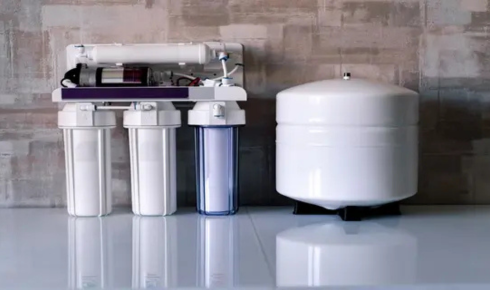
Water is one of those things most of us take for granted. Turn the tap, fill the kettle, rinse the dishes — simple. Yet behind that everyday routine lies something many homeowners overlook: the quality of the water flowing through their homes. It’s easy to assume that if water looks clear and tastes fine, everything must be okay. But water has a quiet way of affecting things slowly — pipes, appliances, even the comfort of daily living.
For many households, especially in areas with mineral-rich groundwater, hard water is the silent culprit. It doesn’t arrive with a warning sign. Instead, it shows up gradually: chalky residue on faucets, soap that refuses to lather properly, or a washing machine that seems to age faster than expected.
This is where thoughtful residential water solutions begin to make a difference.
The Everyday Signs of Hard Water
Hard water isn’t always obvious at first. It’s subtle — almost sneaky.
Maybe your glassware comes out of the dishwasher with cloudy spots. Maybe your showerhead starts spraying unevenly. Or maybe your skin feels oddly dry after a shower. These little clues often point to high mineral content in the water, particularly calcium and magnesium.
At first, most people shrug it off. After all, it’s just a minor inconvenience, right?
But over time, those minerals build up inside plumbing systems. Pipes narrow slightly. Water heaters become less efficient. Appliances that depend on clean water start to work harder than they should.
And that’s when the real cost begins to creep in.
Why Water Quality Impacts Your Home More Than You Realize
Think about all the appliances in your house that rely on water. Washing machines, dishwashers, coffee makers, water heaters — the list goes on.
Now imagine those systems slowly accumulating layers of mineral deposits inside their components. Heating elements become coated, reducing efficiency. Pipes begin to restrict flow. Even small fixtures like faucets and showerheads can clog over time.
When homeowners explore ways to protect plumbing and appliances, water quality usually becomes part of the conversation.
Addressing water issues early can mean fewer plumbing repairs, longer appliance lifespan, and better overall performance from the systems you rely on daily.
In other words, the benefits go far beyond clearer dishes.
The Real Impact on Daily Living
Beyond plumbing and appliances, water quality can influence everyday comfort in surprisingly personal ways.
For instance, soap behaves differently in hard water. Instead of forming a rich lather, it often leaves behind a thin film on skin and hair. Many people describe their hair as dull or heavy after washing in mineral-rich water.
Laundry can suffer too. Clothes washed in hard water may feel stiff or appear faded faster than expected.
It’s the kind of slow frustration that homeowners adapt to without realizing there’s actually a fix.
When water is properly treated, people often notice the difference almost immediately — softer fabrics, smoother skin, and cleaner-looking surfaces throughout the house.
Understanding Hard Water Treatment
So what exactly does solving the problem look like?
The process usually involves installing systems designed to reduce mineral buildup in household water supplies. These technologies vary — from traditional water softeners to more modern filtration systems.
At its core, hard water treatment focuses on removing or neutralizing minerals before they move through your home’s plumbing. The result is water that behaves more like the kind you’d expect: soap lathers easily, surfaces rinse clean, and scale buildup becomes far less common.
But perhaps the biggest advantage is preventative. Treating water before damage occurs can extend the life of expensive appliances and plumbing infrastructure.
And let’s be honest — replacing a water heater years earlier than expected is nobody’s idea of a good time.
A Long-Term Investment in the Home
Some homeowners hesitate when considering water treatment systems. It’s easy to view them as an optional upgrade rather than a practical investment.
Yet when you step back and think about it, water touches nearly every part of the home. From the pipes behind your walls to the appliances in your kitchen and laundry room, water quality influences performance, maintenance costs, and longevity.
Many households discover that improving water quality reduces soap usage, cuts down on cleaning time, and lowers the frequency of plumbing repairs.
Over time, those small improvements quietly add up.
Water Quality and Peace of Mind
There’s also a less tangible benefit that people often mention: peace of mind.
When your water system is working properly, it removes one of those background worries homeowners tend to carry. No more wondering why your dishwasher leaves spots on every glass. No more dealing with stubborn mineral stains on sinks and fixtures.
Instead, things simply work the way they’re supposed to.
And honestly, that simplicity is underrated.
Final Thoughts
Water might be one of the most ordinary parts of a home, but its quality shapes daily life more than many people realize. From the efficiency of your appliances to the comfort of your morning shower, the effects of untreated hard water show up in subtle ways.
The good news is that modern water treatment systems make it easier than ever to address these issues before they become expensive problems.
Sometimes improving a home doesn’t mean remodeling kitchens or installing new floors. Sometimes the most meaningful upgrades happen quietly — inside pipes, behind walls, and in the invisible systems that keep everything running smoothly.