Category: Travel

  • Pudong Power: PVG and the Gateway to Future Shanghai

    Pudong Power: PVG and the Gateway to Future Shanghai

    Introduction to Pudong: A World of Opportunities

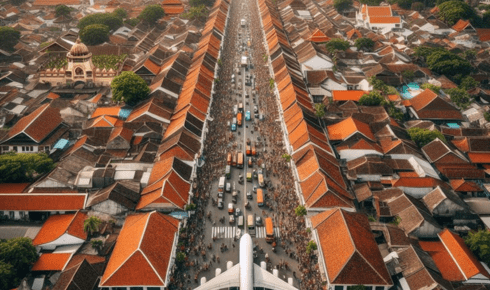
    Pudong, the bustling district of Shanghai, is home to the renowned Pudong International Airport (PVG). This vibrant area has transformed from farmland into a dazzling skyline filled with modern architecture, making it a gateway to both business and leisure in Shanghai. As we explore the wonders of Pudong, you’ll discover why it’s the epicentre of innovation and culture in China.

    The Rise of Pudong: From Fields to Future

    In the early 1990s, Pudong was little more than a collection of fields and small villages. However, the Chinese government saw its potential and decided to invest heavily in its development. Fast-forward to today, and Pudong is a symbol of China’s rapid growth and modernization, showcasing iconic landmarks like the Oriental Pearl Tower and the Shanghai Tower.

    Modern Marvels: Architectural Wonders of Pudong

    Strolling through Pudong, you can’t help but be awestruck by its architectural feats. The skyline is a blend of futuristic designs and traditional Chinese elements. The Shanghai Tower, standing tall at 632 metres, isn’t just the tallest building in China; it’s a marvel of engineering. Then there’s the Jin Mao Tower, which offers breathtaking views of the city from its observation deck.

    Experiencing the Skyline: A Night to Remember

    As day turns to night, Pudong lights up in a spectacle of colours. The skyline transforms, with buildings illuminated in vibrant hues. A river cruise on the Huangpu River offers the perfect vantage point to soak in this stunning view, making it a must-do for any visitor.

    Pudong International Airport: Your Gateway to the World

    PVG isn’t just any airport; it’s a major international hub that connects Shanghai to the world. With flights to cities across the globe, it serves millions of passengers each year. The airport itself is a modern facility, equipped with all the amenities you need for a comfortable journey.

    Facilities and Services: A Traveler’s Dream

    Whether you’re a frequent flyer or a first-time traveller, PVG has something for everyone. From duty-free shops to gourmet dining options, the airport ensures you’re entertained while waiting for your flight. The lounges offer a serene escape, perfect for unwinding before your journey.

    Connecting to Shanghai: Transportation Made Easy

    Once you land at PVG, getting into the heart of Shanghai is a breeze. The Maglev train is a highlight, whisking you to the city centre in just 8 minutes at speeds up to 431 km/h. You can also opt for taxis or shuttle buses for a more traditional approach.

    Exploring Pudong: Beyond the Skyscrapers

    Pudong is not just about its towering buildings; it offers a rich tapestry of experiences waiting to be explored. From cultural landmarks to peaceful parks, there’s something for everyone.

    Cultural Experiences: Museums and Art

    For those with a passion for culture, the Shanghai Museum of Contemporary Art is a must-visit. Here, you’ll find a plethora of exhibitions showcasing both Chinese and international artists. Additionally, the Shanghai Science and Technology Museum is perfect for families, providing interactive exhibits that entertain and educate.

    Relaxation in the City: Parks and Green Spaces

    After a day of exploring, take some time to unwind in one of Pudong’s lovely parks. Century Park, the largest park in the city, offers serene landscapes, walking paths, and even a tranquil lake. It’s the ideal spot for a picnic or a leisurely stroll.

    Dine Like a Local: Culinary Adventures in Pudong

    Food lovers will be in paradise in Pudong, with an array of dining options that cater to all tastes. From street food stalls to high-end restaurants, the culinary scene is as diverse as the city itself.

    Street Food: A Taste of Authentic Shanghai

    Don’t miss out on trying some local street food. Xiaolongbao (soup dumplings) are a must, bursting with flavour and served steaming hot. You’ll also find jianbing (Chinese crepes) and various skewers that are perfect for a quick bite.

    Fine Dining: An Exquisite Experience

    If you’re looking to indulge, Pudong boasts several Michelin-starred restaurants. Enjoy stunning views of the skyline as you savour exquisite dishes prepared by world-renowned chefs. It’s a dining experience you won’t forget.

    Shopping in Pudong: A Retail Paradise

    Pudong is a shopper’s haven, offering everything from luxury brands to local crafts. With numerous shopping malls and markets, you can easily spend a day exploring the retail offerings.

    Luxury Shopping: High-End Brands Await

    If luxury is what you seek, head to the Super Brand Mall, where you’ll find international designer brands and exclusive boutiques. It’s the perfect place to treat yourself or find a unique gift.

    Local Markets: A Touch of Tradition

    For a more traditional shopping experience, visit the local markets. Here, you can find handmade crafts, souvenirs, and delicious local snacks, allowing you to take a piece of Shanghai home with you.

    Conclusion: Your Adventure Awaits in Pudong

    Pudong is more than just a district in Shanghai; it’s a vibrant tapestry of culture, innovation, and adventure. Whether you’re flying into PVG for business or leisure, you’re sure to be captivated by everything this area has to offer. So why are you waiting for? booking cheap hotel and start planning your trip today. It’s time for you to book your Cheap Hotels In Shanghai and seize your day! Embrace new adventures and explore unforgettable Indonesia! Whether seeking relaxation, adventure, or culture, each place offers unique experiences that will create lasting memories. You can see other Best Hotel Near Shanghai Pudong International Airport Pvg on Traveloka!

  • How to Charter a Jet for a Weekend Bachelor Party ?

    How to Charter a Jet for a Weekend Bachelor Party ?

    Planning a bachelor party is an exciting yet challenging task, especially when you want to make it memorable. One of the most luxurious and convenient ways to kick off the festivities is by chartering a private jet. This guide will walk you through the steps to charter a jet for a weekend bachelor party, ensuring a seamless and unforgettable experience.

    Determine Your Budget

    Before diving into the logistics, it’s essential to establish a budget. Chartering a private jet can vary significantly in cost based on factors such as the type of aircraft, distance, and additional services. Consider how much you and your friends are willing to spend, and remember to account for other expenses like accommodations, activities, and meals.

    Choose Your Destination

    The next step is to decide where you want to go. Popular bachelor party destinations include Las Vegas, Miami, New Orleans, and even international hotspots like Ibiza or Cancun. Think about what activities you want to enjoy—whether it’s nightlife, adventure sports, or relaxation on the beach—and choose a destination that aligns with your group’s interests.

    Select the Right Aircraft

    Once you have your destination in mind, it’s time to select the right aircraft. Aeroaffaires offers a range of private jets and helicopters to suit your needs. Consider the number of passengers, the distance to your destination, and the level of comfort you desire. Smaller jets are perfect for short trips, while larger jets provide more space and amenities for longer flights.

    Book Your Jet with Aeroaffaires

    After determining your aircraft, it’s time to book your jet. Contact Aeroaffaires to discuss your requirements. Their experienced team will guide you through the booking process, ensuring you choose the best aircraft for your bachelor party. Be prepared to provide details such as your travel dates, destination, and any special requests.

    Plan Your Itinerary

    With your jet booked, it’s time to plan your itinerary. Consider the following elements:

    – Departure and Arrival Times: Coordinate with your group to determine the best departure time. Keep in mind that private jets can often accommodate flexible schedules.
    – Activities: Research and book activities at your destination. Whether it’s reserving a table at a trendy nightclub, booking a private yacht, or planning a golf outing, having a well-structured itinerary will keep the party flowing smoothly.
    – Accommodations: Secure a place to stay that fits your group’s vibe. Luxury hotels, villas, or even private rentals can enhance the experience.

    Arrange Ground Transportation

    Don’t forget about transportation once you land. Arrange for ground transportation to and from the airport, as well as for any activities planned during your stay. Options include luxury car rentals, limousines, or even party buses to keep the celebration going.

    Consider Catering and In-Flight Services

    To elevate your bachelor party experience, consider catering options for your flight. Aeroaffaires can assist in arranging gourmet meals, drinks, and snacks to enjoy while in the air. You can customize your in-flight menu to include your favorite foods and beverages, ensuring a festive atmosphere from the moment you take off.

    Prepare for the Unexpected

    While planning is crucial, it’s also essential to be prepared for any unexpected changes. Weather conditions, flight delays, or changes in your group’s plans can happen. Stay flexible and maintain open communication with Aeroaffaires to navigate any last-minute adjustments.

    Enjoy the Experience

    Once everything is in place, it’s time to enjoy the experience. Arrive at the airport early to soak in the luxury of private jet travel. Take advantage of the exclusive amenities and services offered by Aeroaffaires, and make the most of your time with friends. Capture the moments with photos and videos to cherish the memories for years to come.

    Reflect on the Celebration

    After the weekend, take some time to reflect on the celebration. Gather feedback from your friends about what they enjoyed most and what could be improved for future trips. This reflection will help you plan even better experiences in the future, whether for another bachelor party or a different group getaway.

    Chartering a jet for a weekend bachelor party is an excellent way to create lasting memories with friends. By following these steps and working with Aeroaffaires, you can ensure a smooth and enjoyable experience from start to finish. With the right planning, your bachelor party will be an unforgettable adventure that sets the tone for the groom’s upcoming wedding. So gather your friends, choose your destination, and get ready for a weekend of fun and celebration in the skies!

  • Explore Everest Base Camp, Cho La Pass & Island Peak Adventures

    Explore Everest Base Camp, Cho La Pass & Island Peak Adventures

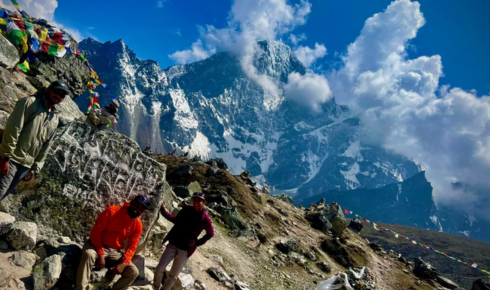
    The sight of Everest’s majestic peak moves the spirit in some way. People from all over the globe want to climb its slopes, not only for the view but also for the personal victory. The Everest Base Camp Trek is more than simply a beautiful hike; it’s a spiritual and physical trip through Sherpa settlements, Buddhist temples, and huge glacier valleys. This Trek is a symbol of perseverance and respect for the environment. It attracts thrill-seekers who want both beauty and a challenge in one of the most beautiful places on Earth.

    Why Everest Base Camp Trek Captivates Every Trekker

    You can’t put into words how it feels to be at the foot of the world’s tallest mountain. The Everest Base Camp Trek isn’t only about getting to the top; it’s also about everything else along the way, such as the freezing rivers, the Khumbu Glacier, and the strong presence of Everest herself. Every step from Lukla to Kala Patthar is full of culture and wonder. Acclimatization is very important since it gives passengers time to enjoy Namche Bazaar, Tengboche Monastery, and the mountains that change all the time around them throughout the Trek.

    Island Peak Climbing: The Perfect Mountaineering Challenge

    Island peak climbing is the next level of excitement for anyone who wants to make their Himalayan experience even better. Locals name this mountain Imja Tse. It rises above the Chhukung Valley and has snow ridges, steep climbs, and complex glacier traverses that make it hard for climbers. Island Peak Climbing is great for hikers who want to try mountaineering. It demands your daring and expertise while giving you the best views of Lhotse and Ama Dablam. Preparation is very important, and local guides are there to help on every climb, making sure that everyone is safe and successful on this difficult Trek.

    The Dramatic Beauty of the Cho La Pass Trek

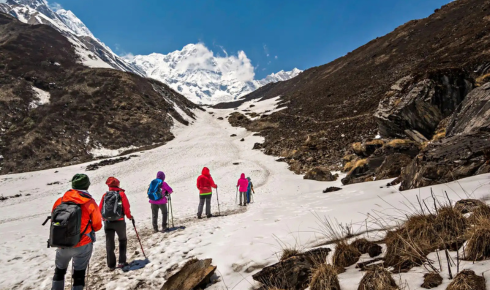
    The spectacular Cho la Pass Trek is a high-altitude adventure that requires strength and gives you breathtaking views. It is located between the Gokyo Valley and Everest Base Camp. The pass, which is typically covered in snow, links two of Nepal’s most famous routes and takes hikers past glaciers, turquoise lakes, and high ridgelines. The Cho la Pass Trek is hard because of the high altitude and bad weather, yet each struggle makes you stronger. This Trek is one of the most beautiful and challenging in the Himalayas. It combines stunning natural beauty with times of complete peace and quiet.

    Discover Gokyo’s Glory through the Cho La Pass Trek

    The Cho la Pass Trek shows out the Khumbu region’s hidden treasures, even if the terrain is tough. Trekkers see the beautiful Gokyo Lakes, the Dudh Koshi River, and the powerful Ngozumpa Glacier. The Trek to Gokyo Ri provides vistas that are just as stunning as those from Everest Base Camp, making the trip much more memorable. The Cho la Pass Trek is more than simply a path; it connects you deeply with the Himalayas and all they stand for, with the peaks of the Himalayas silently watching over you.

    Island Peak Climbing: Where Trekkers Become Climbers

    Getting to the top of Imja Tse is not easy. Discipline, collaboration, and bravery are the keys to success in island peak climbing. The first part of this climb is a normal hike via Dingboche and Chhukung. It progressively builds up to the high camp before the summit day. The last push involves traversing crevasses and utilizing fixed ropes, which is great for anyone who wants to climb the Himalayas for the first time. The best part about climbing Island Peak is not only reaching the top at 6,189 meters but also finding your own strength along the route.

    Conclusion

    The Everest Base Camp Trek, the Cho la Pass Trek, and the Island Peak Climbing together make the best trip to the Himalayas. Each expedition has its own unique challenge, whether it’s learning about a new culture, pushing your body to its limits, or improving your technical skills. When you put them all together, they make a tale that not many people get to tell. Every moment, whether you’re at the foot of Everest, traversing an icy mountain pass, or reaching the top of a Himalayan peak, is a victory against dread, exhaustion, and uncertainty. For such a life-changing journey, missionsummittreks.com is still a trusted brand that helps travelers reach their high-altitude objectives with care and skill.

  • How to Prepare for the Annapurna Base Camp Trek: A Complete Guide

    How to Prepare for the Annapurna Base Camp Trek: A Complete Guide

    When planning, getting ready for, and packing for the Trek to Annapurna Base Camp, you need to plan carefully, be physically prepared, and have the right information to make your trip a safe and enjoyable one, and of course, an unforgettable experience. Set in the heart of Nepal’s Annapurna region, the trek provides stunning views of the mountains, cultural immersion, and an exciting adventure for moderately skilled trekkers. This comprehensive guide will help you plan well and in advance for the ABC trek, from physical training to gear, permits, and acclimatization – all important for a successful hike up.

    Preparation before the Annapurna Base Camp Trek is vital. The trail takes in tough climbs, rocky terrain, and long days of walking, often at high altitudes up to 4,130 meters. Begin training at least two to three months in advance with cardiovascular workouts, such as running, cycling, or swimming, to build endurance. Add lower body, core, and back strength training to prepare for the physical challenge. Carrying a weighted bag will help you train hiking under a real trek situation and take your endurance and stamina to a new level. Regular training will help you to avoid fatigue and lessen the risk of injuries along the trail.

    Knowing what gear and clothing you’re supposed to bring is critical to comfort and safety. Layering is key when it comes to changing temperatures; you should begin with moisture-wicking base layers, layer on insulating mid layers, and complete your look with waterproof, windproof shells. You must have sturdy hiking boots that can support your ankles and are waterproof. Other must-haves include a warm sleeping bag rated down to sub-zero temperatures, trekking poles for your knees, and a good-quality backpack with rain cover. You’ll want sun protection, too, such as sunglasses and high SPF sunscreen, and also a headlamp, which will come in handy this late in the season with camp and dining facilities getting limited light.

    Annapurna Base Camp Trek permits and paperwork are a must. You’ll require an Annapurna Conservation Area Permit (ACAP) and a Trekkers’ Information Management System (TIMS) card. These permits support local conservation and further trekkers’ safety. You can get them at Kathmandu, Pokhara, or from your trek agency. Keep your permits with you while trekking; checkpoints are frequent.

    Acclimation is a very important factor in reducing the onset of altitude sickness. The slow upward climb combined with rest days is essential to let your body acclimatize to thinner air and prevent symptoms such as headaches, nausea, and dizziness. So it’s helpful to be well-hydrated, well-nourished, and to abstain from alcohol, and your body will also adapt better. Hikers should know how to identify the first signs of altitude sickness and descend if symptoms get worse.

    Proper trail nutrition and hydration are key. Despite the fact that teahouses provide a wide selection of dal bhat (rice and lentils), soup, and noodles, take some energy bars and trail mix to eat while walking to keep your energy up as the miles add on. We must drink clean water to remain healthy.

    And finally, mental preparation will allow you to accept the challenges and rewards of the walk. Prepare for varied weather, rough accommodations, and long days of hiking. Having patience, being flexible, and maintaining an open mind will all make things go more smoothly for you.

    Annapurna Base Camp Trek It takes a lot of training, the right equipment, permit process, acclimatization, mental preparedness, and a journey that awaits – the amazing terrains, cultural heritage, and variety of trekking experience the Annapurna Base Camp trek offers! This intense preparation not only makes the trek safer but also enables you to dive deeply into one of Nepal’s most stunning trekking experiences.

    Overview of the trek to Annapurna Base Camp

    This trek route is beyond doubt one of the most popular treks in Nepal that beckons thousands of trekkers from across the globe, all thanks to the diversity in natural and cultural experiences it provides. The trek winds past terraced fields, vibrant rhododendron woods, and traditional Gurung and Magar villages to the foot of Annapurna I (8,091 meters). Unlike numerous high-altitude treks, ABC has a trail that is fairly forgiving in terms of altitude and balance of natural beauty and cultural life, so that even starting trekkers with moderate training can handle it. The track is of differing difficulty, but offers panoramic views of the Machapuchare (Fish Tail) and Annapurna South peaks. You’ll overnight in “tea houses” — the simple, locally run lodges that dot the trek — throughout the journey, to experience this hospitality firsthand. The hike usually lasts for 7 to 12 days, depending on the itinerary and speed. Having an idea of what the experience will be like, both physically and mentally, and how to prepare for it, as well as respecting the traditions and customs of the place visited, makes the experience so much more enjoyable. Whatever your level of experience, you’ll enjoy the awesome and diverse beauty of the Annapurna Base Camp Trek with our experienced Himalayan hiker guides serving as your guide and friend.

    Physical Preparation and Health Tips

    It is very much necessary to be proactive for having a successful Annapurna Base Camp Trek, as Annapurna Base Camp Trek is tough enough of physically demanding enough. Start training a minimum of two to three months before your trek to increase your stamina and strength. Cardio, such as running, cycling, and swimming, boosts your endurance and gets you ready for those long days of trekking. Strength training, especially for your legs, core, and back, will help you with uphill climbs and carrying a backpack. Hiking experience carrying weight in your pack over uneven trails, as you would if you were hiking, helps you practice and keep your muscles safe. In addition, as a yoga practitioner, balance and muscle soreness are further optimized. Cardio and strength training, plus hiking, will get you ready for those up and down hills. And, of course, don’t neglect rest days during training, which give your body the time to recover. Physical Preparation–Keeping yourself hydrated and eating right goes along with your physical game. This acclimatization not only prevents fatigue but also altitude sickness, allowing you to enjoy the trek.

    The Gear and Packing.unpacktolist.”

    ABC Trek Getting the right kit together for the Annapurna Base Camp Trek is crucial for comfort, safety, and making the most of those stunning mountain views. Layering clothing is key—moisture-wicking base layers, insulating mid-layers such as fleece or down jackets, and waterproof outer shells shield you from the cold, wind, and rain. Invest in a pair of solid, waterproof hiking boots with ankle support so you can safely maneuver rough trails. A good sleeping bag that is rated up to and below zero is also needed for cold nights in teahouses. Hiking with poles can reduce the impact on joints and minimize the possibility of slips and falls on tricky terrain. And don’t forget sun protection: sunglasses, sunscreen, a hat — all of which are helpful to shield you from heavy-duty Himalayan UV rays. A headlamp with additional batteries will come in handy for early starts or late arrivals. Bring a durable backpack with a rain cover, reusable water bottles with purification tabs or filters, a first aid kit with medicine for altitude sickness, and personal toiletries. By being well-prepared, you maintain greater mobility (which leads to safety) and enjoy the trip more when you get to the campsite.

    Knowing What Permits/Regulations Apply

    If you are planning to do the Annapurna Base Camp trek, it is required to get its permits. The 2 primary types of passes are the Annapurna Conservation Area Permit (ACAP) and the Trekkers’ Information Management System (TIMS) card. ACAP is a rule established to regulate tourism activity in the Annapurna Conservation Area for the preservation of the environment and local people. The TIMS card is used to monitor trekkers for safety and regulate tourist numbers. Kathmandu or Pokhara are where both permits can be bought, and they are checked at entry points and on the trail. It’s essential to have these permits on you when you trek; they’re checked regularly at checkpoints. The permit fees are used in the conservation, infrastructure, and local development of the community to promote sustainable tourism. Scams aside, always get your permits from the official offices or reliable trekking agencies. Knowing the rules helps to safeguard the fragile environment and cultural treasures of the Annapurna region for the next generation of trekkers to enjoy.

    Best time for the Annapurna Base Camp Trek.

    The Annapurna Base Camp Hike is best done in the spring (March to May) and autumn (September to November) when the weather is more predictable and the mountain vistas are on full display. You would have much more comfortable temperatures in the spring with rhododendrons blooming, and all the verdant greenery existing to bring the route to life. Autumn is the most popular trekking season with its clear, crisp air and breathtaking panoramas of the Annapurna range. This time of the year, the paths are dry, and it’s rare to come across storms with rain or snow. It is not only slippery underfoot, but leeches are also lurking in the mud, making trekking less safe and enjoyable. Winter (December to February) cold (e, snow, which can cover trails even if not falling much) may limit trails (and accommodation) at altitude. Some trekkers do like to trek in the winter for the peace, but will not wear gear, and experience it is a no-go. Selecting the best season for your likes and your physical condition will help keep you safe and get the most out of your Annapurna Base Camp trek experience.

    Acclimatization and Prevention of Altitude Sickness

    To have a safe and pleasurable trek, proper acclimatization is needed for the Annapurna Base Camp Trek. The trail goes higher than 4,000 meters, where the danger of altitude sickness rises. Symptoms may be headaches, nausea, dizziness, and tiredness, and they can become more severe if the condition is not treated. To avoid altitude sickness, it is recommended to ascend slowly and have rest days at significant stops such as Chhomrong or Dovan. Drinking plenty of water and consuming healthy meals help your body adapt to thinner air. Refrain from consuming alcohol and cigarettes during the trek, because they will make you suffer more from altitude effects. ”You would just continue to monitor daily to check for early warning signs of altitude sickness. Lowering the altitude is the best remedy if symptoms are aggravated. Some trekkers take medications such as acetazolamide (Diamox) after consulting a health care provider to help with acclimatization. Wearable pulse oximeters exist that can track oxygen saturation. Keep in mind, acclimatization is not only important to prevent illness — it also increases energy and sharpness of mind, which aids in being able to enjoy the trek. Strategic, slow, and steady instead of speed is essential to a good ABC experience.

    LODGING AND EATING ALONG THE WAY

    On the Annapurna Base Camp Trekking, lodging will be in teahouses or modest lodges operated by local families. These provide simple rooms with a bed and blanket, not always heated, so pack a warm sleeping bag. You can get hot water showers, but they generally cost more. Meals typically consist of local Nepali dishes, such as dal bhat (rice and lentils), curry, noodle soups, and momos (dumplings). Western-style options such as pasta and noodles are also popular. The quality and variety of food are better when you head down to the lower valleys. You should ensure to pack food to keep you nourished and hydrated, so pack the likes of energy bars, nuts, or chocolates, for a little extra fuel on long trekking days. Dirty water must be treated with tablets or filters to prevent disease. Charging devices can generally be powered from the electricity for a small fee, but power cuts do happen. Bring cash, since ATMs are few on the trail. Partaking in local food and hospitality brings more fulfillment to the trekking experience and provides a boost to the local economy.

    Guide and Porter Guide Vs Trekking With Their Pros and Cons

    Guide/porter for the ABC trek in Nepal. ABC trek in Nepal, a guide /porter for the Annapurna Base Camp trek is not compulsory, but it can be so helpful to make your journey excellent. Guides know tons about culture, history, plants, animals, in addition to navigation and logistics. They enhance survivability by addressing altitude emergencies. Porters wear the heavy backpacks for you so that you can better enjoy the views. This is particularly useful when you’re climbing steeply or spending long days trekking. The employment of support staff also helps the livelihood of locals and supports responsible tourism. Using guides and porters, however, adds to trek costs, often substantially. If you’re a self-sufficient, independent trekker who doesn’t mind route finding and carrying your gear, then go unsupported. But for first-timers or those who just prefer a more leisurely sojourn, hiring guides offers peace of mind and cultural immersion. Make sure to always hire licensed guides and porters from upstanding companies to avoid being taken advantage of and for correct payment for services.

    Managing Weather Challenges

    Annapurna Trek The weather around Annapurna can also shift quickly, so be prepared. The two best trekking seasons, spring and autumn, are characterized by reliable conditions, settled weather, clear skies, and mild temperatures. Sudden rain downpours or strong winds can still happen, particularly in high areas. All in all, the monsoon season is characterised by moderate to heavy rain, slippery walking trails, and leeches that can both throw off your treks and compound the risk of landslides. During the winter season, it is often very cold, snow can occur in some places, and some sections of the trails become challenging or even inaccessible. Layering allows you to adjust to fluctuations in temperature over a day. Waterproof wear and solid boots are required to stay dry and happy. Remember to check the weather before and during your climb. This enables you to make plans depending on the weather. Preparedness for weather challenges guarantees safety and contributes to an enjoyable trek.

    The Budget for an Annapurna Base Camp Trek

    Annapurna Base Camp Trek cost includes permits, lodging, meals, transit, and optional costs such as guides and porters. For ACAP and TIMS, permits are required and at a fixed cost, but relatively cheaper; both combine costs around approximately $40-$50. Teahouse lodging can be found from $5 to $15 a night, depending on altitude and amenities. Meals generally run between $3 and $10, although prices climb at increasing elevations because supply is a problem. The cost of transportation depends on where you are coming from and the mode of transportation — the buses are cheaper but slower, while private jeeps are faster and more expensive. A guide may cost an additional $25 to $35 a day, and a porter $15 to $25 daily. It’s prudent to budget extra for emergencies, equipment rental, tipping, and souvenirs. Exploring with friends saves some money on guides and porters. If you budget well, you can go on the Annapurna trek without worries of money or bills, which allows you to enjoy the amazing views of Annapurna.

    How to get ready for trekking to Annapurna Base Camp?

    ABC Trekking – Physical and Logistic Preparation Ready…Set….Go! Begin training at least two to three months before your trek by gaining cardiovascular fitness from running, cycling, or swimming. Work your legs, core, and back with moves such as squats, lunges, and planks to tackle those steep climbs and manage a backpack. Train hiking with an added load on uneven ground, similar to what you will experience on the trail. Outfit yourself properly: layered clothing, waterproof boots, and a warm sleeping bag. Acclimatization is key, so be sure to schedule acclimatization days into your itinerary, as travelling too quickly through the mountains can make you ill. Understand the symptoms of and how to prevent altitude sickness. Get ACAP and TIMS permits done either via the official route or a reputed trekking agency. Lastly, prepare at the mental level to experience changeful weather, basic lodging, and long walking days with a good, flexible attitude.

    How much Nepal Base Camp trek cost?

    For a guide on the Annapurna Base Camp trek, you can expect to pay around USD 25 to USD 35 per day. This fee is generally expected to cover the guide’s food, lodging, and pay. You’ll also want to budget for a gratuity, which is usually 10-15% of the total guide fee, depending on the quality of the service. Guides offer direction, cultural insight, and emergency assistance to make the trek safer and more enjoyable, which can be particularly helpful for new or inexperienced trekkers to the region.

    How much is a guide for the Annapurna Circuit?

    The cost: hire the guide for 30-40$ USD a day on average, marginally more expensive than ABC as Annapurna Circuit takes a few days more and has many terrains. Usually, the fee includes meals, lodging, and pay. A gratuity after the trek is standard. A guide is needed for the organization of the travel in a remote area, for the acquisition of permits, to better understand the cultural background of adventure, and to have a better experience.

    How can I get ready for the base camp trek?

    Annapurna Sanctuary Trek Training for any base camp trek — Annapurna or Everest included — means training for endurance, strength, and mental fortitude. Start a regimented training program months ahead to make it all about cardio and strength training. Hike with a backpack to get used to the elements. Research gear requirements carefully; layer clothing and ensure you have waterproof boots. Understand what altitude sickness is, read about ways to acclimatize to higher elevations, including taking rest days and staying hydrated. Get permits in order and think about hiring a guide or a porter for assistance. Learn about the trail, weather, and customs to manage your expectations. Physically and mentally, you won’t have to be Superman, but this is the best way you can maximize your stunning mountain experience and minimize any risks associated.


  • Sundarban Tour: Explore the Thrilling Beauty of the Mangrove Forest

    Sundarban Tour: Explore the Thrilling Beauty of the Mangrove Forest

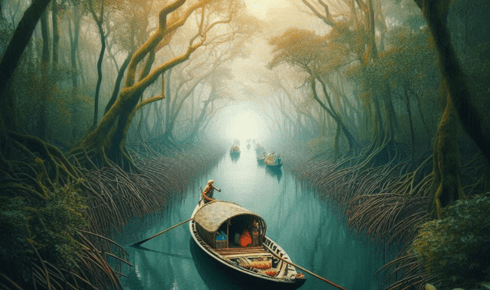
    A Sundarban tour is one of the most exhilarating travel experiences in India. As the world’s largest mangrove forest and a UNESCO World Heritage Site, Sundarbans offer an unforgettable adventure filled with exotic wildlife, serene landscapes, and rich biodiversity. Whether you are a nature lover, wildlife enthusiast, or a leisure traveler, this breathtaking destination will leave you mesmerized.

    If you are planning to explore the Sundarbans, various sundarban tour are available to suit different budgets and travel preferences. From thrilling jungle safaris to scenic boat rides, these packages provide an exciting way to experience the untouched beauty of the region.

    Why Choose a Sundarban Tour?

    The Sundarbans are famous for their incredible wildlife, especially the Royal Bengal Tiger. However, there’s much more to explore in this stunning delta. Here’s why you should consider a Sundarban tour from Kolkata:

    • Wildlife Encounters: Witness a variety of animals like crocodiles, spotted deer, wild boars, and exotic birds.
    • Boat Safari Adventures: Sail through narrow creeks and dense mangrove forests for a thrilling experience.
    • Scenic Beauty: Capture mesmerizing sunrises, sunsets, and lush green landscapes.
    • Cultural Experiences: Interact with local communities and learn about their unique way of life.
    • Eco-Tourism: Experience sustainable tourism in one of the world’s most fragile ecosystems.

    Popular Sundarban Tour Packages

    There are several sundarban tour packages that cater to different travel styles. Here are some of the most sought-after options:

    1. One-Day Sundarban Tour

    • Perfect for a quick getaway.
    • Includes a boat ride, village visit, and lunch.
    • Covers popular watchtowers like Sajnekhali and Sudhanyakhali.

    2. Two-Day Sundarban Tour

    • Includes an overnight stay in a resort or houseboat.
    • Offers extended safaris and cultural performances.
    • Ideal for those who want to experience Sundarbans beyond a day trip.

    3. Three-Day Sundarban Wildlife Safari

    • A must for nature lovers and photographers.
    • Covers top attractions like Dobanki, Netidhopani, and Pakhiralaya.
    • Higher chances of spotting the Royal Bengal Tiger.

    How to Reach Sundarban from Kolkata

    If you are planning a sundarban tour from kolkata, here are your travel options:

    By Road

    • Drive from Kolkata to Godkhali (100 km, approx. 3-4 hours).
    • From Godkhali, take a motorboat to enter the Sundarbans.

    By Train

    • Take a local train from Sealdah to Canning (1.5 hours).
    • From Canning, hire a cab or bus to reach Godkhali.

    By Boat

    • From Godkhali, motorboats are the only way to explore Sundarban.
    • Most tour operators offer boat transfers from Kolkata as part of their packages.

    Best Time to Visit Sundarbans

    The ideal time to visit Sundarbans is between October and March. The weather remains pleasant, and wildlife sightings are more frequent during these months. Summers can be extremely humid, while monsoons bring heavy rains, making travel difficult.

    Top Attractions in Sundarbans

    1. Sajnekhali Watchtower

    A great place for spotting wildlife and visiting the Mangrove Interpretation Center.

    2. Sudhanyakhali Watchtower

    One of the best locations to see tigers, crocodiles, and spotted deer.

    3. Dobanki Canopy Walk

    Experience an elevated walkway offering panoramic jungle views.

    4. Netidhopani Temple

    A historic temple with intriguing ruins amid the wilderness.

    5. Pakhiralaya – Birdwatcher’s Paradise

    A must-visit spot for bird lovers, especially during the winter season.

    Things to Keep in Mind

    • Wear Comfortable Clothing: Light, breathable fabrics are best for the humid climate.
    • Carry Essentials: Binoculars, cameras, sunscreen, and insect repellent.
    • Respect Nature: Avoid littering and follow eco-tourism guidelines.
    • Follow Safety Instructions: Always stay with your guide and maintain a safe distance from wildlife.
    • Book in Advance: Secure your Sundarban tour packages early, especially during peak season.

    Conclusion

    A Sundarban tour is a must for those who love adventure and nature. Whether you choose a one-day trip or an extended wildlife safari, this mesmerizing mangrove forest will captivate your heart. Book your Sundarban tour packages today and embark on a journey to explore one of the most unique ecosystems on the planet!

  • 10 Towns to Visit on Vancouver Island

    10 Towns to Visit on Vancouver Island

    Vancouver Island, a stunning destination located off the southwestern coast of British Columbia, boasts rich history, diverse landscapes, and charming towns that are perfect for exploration. Here are ten must-visit towns on Vancouver Island that offer unique experiences for every type of traveller.

    1. Victoria

    As the capital city of British Columbia, Victoria is renowned for its vibrant arts scene, beautiful gardens, and historic architecture. The iconic Butchart Gardens, the Royal BC Museum, and the picturesque Inner Harbour are just a few highlights. Stroll through the quaint streets lined with shops and cafés, or enjoy afternoon tea at the Fairmont Empress.

    2. Nanaimo

    Known as the Harbour City, Nanaimo offers a vibrant waterfront and numerous outdoor activities. Explore the scenic Harbourfront Walkway, relax on Newcastle Island, or indulge in the local culinary scene, including the famous Nanaimo bar. Don’t forget to visit the Nanaimo Museum for a glimpse into the city’s history.

    3. Tofino

    Tofino is a surfing and nature lover’s paradise located on the west coast of Vancouver Island. This small town is surrounded by lush rainforests and stunning beaches. Signature activities include whale watching, hiking in the Pacific Rim National Park Reserve, and exploring the unique tidal pools. Tofino also hosts a range of local artisans and specialty shops.

    4. Parksville

    Famous for its sandy beaches and warm temperatures, Parksville is a popular family destination. Enjoy swimming at Rathtrevor Beach Provincial Park, where shallow waters make it safe for children. The town is also home to numerous parks and playgrounds, along with the annual Parksville Beach Festival, featuring sand sculpting competitions.

    5. Qualicum Beach

    Adjacent to Parksville, Qualicum Beach is known for its serene atmosphere and beautiful shoreline. This charming town offers quaint shops, art galleries, and excellent dining options. Visit the Qualicum Beach Historical Museum for insights into local heritage or partake in one of the town’s many cultural events throughout the year.

    6. Comox

    Nestled near the stunning Comox Valley, Comox is perfect for outdoor enthusiasts and nature lovers. With a backdrop of the Beaufort Mountains, visitors can enjoy hiking, skiing, and golfing. The Comox Marina provides easy access to fishing and boating, while the local farmers’ market showcases fresh produce and artisan goods.

    7. Cumberland

    Cumberland is a historic mining town turned artsy community, known for its vibrant cultural scene. Explore the eclectic shops, art galleries, and popular cafés. Outdoor enthusiasts can enjoy mountain biking trails and hiking in the nearby Cumberland Forest. The town also hosts various events, including music festivals and craft fairs.

    8. Campbell River

    Often referred to as the “Salmon Capital of the World,” Campbell River offers exceptional fishing opportunities and stunning views of coastal landscapes. Enjoy whale watching tours, visit the nearby Elk Falls Provincial Park, or stroll along the Seawalk for breathtaking ocean views. The Discovery Passage Marine Park is also a highlight for nature lovers.

    9. Ladysmith

    Located on the east coast of Vancouver Island, Ladysmith is known for its charming downtown and rich history. Visit the Ladysmith Museum to learn about the town’s heritage, and take a walk along Transfer Beach, where you can enjoy beautiful ocean views. The town also features a robust arts community, making it an ideal spot for cultural exploration.

    10. Port Alberni

    Port Alberni, a unique town nestled between mountains and ocean, offers a mix of urban and natural attractions. Discover the history of the local industries at the Alberni Valley Museum and take a scenic drive along the Pacific Rim Highway. The surrounding wilderness is perfect for hiking, fishing, and kayaking adventures.

  • A Complete Guide to Exploring Genting Highlands

    A Complete Guide to Exploring Genting Highlands

    Genting Highlands, one of Malaysia’s most popular destinations, is a must-visit for tourists and locals alike. Known for its crisp, cool air and stunning mountain landscapes, this high-altitude retreat offers the perfect mix of relaxation and adventure. From exciting theme parks to picturesque cable car rides, the area is packed with attractions that cater to all kinds of travelers.

    One of the standout experiences in Genting Highlands is undoubtedly the Awana SkyWay cable car, a ride that offers breathtaking panoramic views and easy access to some of the area’s top attractions. If you’re ready to explore Genting to the fullest, this guide will take you through the unmissable highlights and help you make the most of your trip.

    Why Visit Genting Highlands?

    Situated atop Mount Ulu Kali, Genting Highlands is a refreshing escape from the bustling city life. The resort-style destination offers:

    • Cool Weather – A pleasant respite from Malaysia’s tropical heat.
    • Scenic Views – Majestic vistas of lush greenery and misty mountains.
    • A Wide Range of Activities – From theme parks to casinos, there’s truly something for everyone.

    Whether you’re looking for family-friendly fun, a romantic getaway, or a solo adventure, this mountain retreat won’t disappoint.

    Start Your Journey with the Awana SkyWay Cable Car

    No trip to Genting Highlands is complete without experiencing the Awana SkyWay cable car ride. This state-of-the-art gondola lift carries you up the mountain while treating you to stunning 360-degree views of the surrounding rainforest.

    The Awana SkyWay also makes reaching Genting Highlands incredibly convenient, allowing you to skip traffic and avoid parking headaches. An added perk? You can hop off midway at the Chin Swee station to explore the serene Chin Swee Caves Temple, a cultural and spiritual highlight of the area.

    To ensure you have a seamless experience, grab your cable car tickets for Genting with Traveloka for direct entry. Skip the lines and head straight to the views!

    Highlights of the Awana SkyWay:

    • Glass Floor Gondolas: Take your experience up a notch with see-through flooring.
    • Convenience: Show your e-voucher and breeze through the entry process.
    • Amazing Scenery: Witness the beauty of a 130-million-year-old rainforest from above.

    Popular Attractions in Genting Highlands

    Once you’ve made your way into Genting Highlands, here are a few attractions you shouldn’t miss:

    1. Skytropolis Indoor Theme Park

    Skytropolis is an all-weather indoor theme park packed with games and rides for all ages. Whether you’re seeking high-energy thrills or fun family moments, this vibrant space has you covered.

    2. Chin Swee Caves Temple

    Located along the Awana SkyWay route, this serene temple is one of the most photogenic spots in the area. Marvel at its towering white pagoda and intricate cultural structures, all set against the dramatic backdrop of the mountains.

    3. Genting SkyWorlds

    Formerly known as the Genting Outdoor Theme Park, SkyWorlds offers world-class rides, attractions, and entertainment, making it a perfect outing for families and thrill-seekers.

    4. Premium Outlets

    Love shopping? Stop by the Genting Highlands Premium Outlets for great deals on high-end brands, all set in a beautiful open-air mall.

    5. Casino de Genting

    For those who enjoy gaming, Genting Highlands is home to Malaysia’s only casino, offering games like Blackjack, Roulette, and Poker.

    Tips for Getting the Most Out of Your Trip

    To make the most of your visit to Genting Highlands, keep these tips in mind:

    Book Tickets in Advance

    Genting Highlands is a popular destination, especially on weekends and holidays. To avoid long queues, pre-book attractions like the Awana SkyWay online. Traveloka even offers direct entry tickets for added convenience.

    Dress Comfortably

    Temperatures in Genting Highlands can drop to around 15°C (59°F), especially at night. Pack a light jacket or sweater to stay warm.

    Timing is Everything

    Plan to arrive early to maximize your day and beat the crowds. The Awana SkyWay opens as early as 7 AM.

    Try Local Delicacies

    Don’t miss the many food options available at Genting. From traditional Malaysian dishes like nasi lemak to international cuisines, there’s something to satisfy every palate.

    Experience the Magic of Genting Highlands Today

    Genting Highlands is more than just a tourist destination; it’s a memorable experience that combines nature, adventure, culture, and entertainment. Whether you’re gliding over lush rainforests on the Awana SkyWay cable car, exploring ancient temples, or enjoying thrilling theme park rides, this mountain retreat offers endless opportunities to create lasting memories.

    Want to make your trip even more exciting? Grab your cable car tickets for Genting now, and start planning your ultimate getaway!

  • Yogyakarta From Singapore: A Quick Flight to Indonesia’s Cultural Heart

    Yogyakarta From Singapore: A Quick Flight to Indonesia’s Cultural Heart

    If you’re sitting in Singapore, daydreaming about a quick getaway, you might want to consider Yogyakarta, Indonesia. Just a short flight away, this vibrant city is a cultural haven that offers a delightful mix of history, art, and adventure. So, grab your travel essentials, and let’s dive into why Yogyakarta should be your next travel destination!

    Why Yogyakarta?

    Yogyakarta, often affectionately called Jogja, is a city that pulses with life and culture. Known as the cultural heart of Indonesia, it’s a place where tradition meets modernity. With its stunning temples, bustling markets, and rich artistic heritage, you’ll find something to tickle your fancy at every corner. Whether you’re a history buff, a foodie, or someone who loves to explore, Jogja has got it all.

    Getting There: Quick and Convenient

    One of the best things about Yogyakarta is how easily accessible it is from Singapore. With numerous airlines offering direct flights, you can be in this cultural paradise in just a few hours. The flight typically takes around 2 hours, which means you can easily pop over for a weekend or even a day trip!

    Flight Options from Singapore

    When it comes to flying from Singapore to Yogyakarta, you have several options. Airlines like Garuda Indonesia, AirAsia, and Lion Air frequently operate flights between the two cities. This variety allows you to choose a flight that suits your schedule and budget. Plus, with platforms like Traveloka, you can easily compare prices and find the best deals!

    Exploring the Rich Culture of Yogyakarta

    Once you land in Yogyakarta, you’ll be greeted by warm smiles and a vibrant atmosphere. The city is renowned for its rich cultural heritage, and there are plenty of experiences waiting for you.

    Visit the Majestic Temples

    No trip to Yogyakarta is complete without visiting its famous temples. The most notable ones include:

    • Borobudur Temple: A UNESCO World Heritage Site, this ancient Buddhist temple is a marvel of architecture. The intricate carvings and stunning views from the top are worth the climb!
    • Prambanan Temple: Another UNESCO site, this Hindu temple complex is known for its towering spires and beautiful reliefs. The stories depicted in the carvings are fascinating and provide a glimpse into the past.

    Immerse Yourself in Local Art

    Yogyakarta is also famous for its arts scene. From traditional batik making to contemporary art galleries, there’s something for everyone. You can take a batik workshop and create your own piece of art, or visit the many galleries that showcase local artists’ work. The city is alive with creativity!

    Indulge in Yogyakarta’s Culinary Delights

    Food lovers will be in paradise here! Yogyakarta is known for its unique culinary offerings, and you must try:

    • Nasi Gudeg: A traditional dish made from young jackfruit, cooked in coconut milk and served with rice. It’s a must-try!
    • Sate Klathak: Grilled meat skewers seasoned with a special blend of spices that will tantalise your taste buds.
    • Bakpia: A sweet pastry filled with mung bean paste, perfect for souvenirs!

    Adventure Awaits!

    If you’re an adventure seeker, Yogyakarta won’t disappoint. From hiking to exploring natural wonders, the city offers plenty of outdoor activities.

    Mount Merapi

    For those who love hiking, a trek up Mount Merapi is a thrilling experience. This active volcano provides stunning views and a sense of adventure. Don’t forget your camera!

    Explore the Beaches

    Yogyakarta is also close to some beautiful beaches. Head to Parangtritis Beach for a relaxing day by the sea or try your hand at sandboarding at the nearby Gumuk Pasir. The sunsets here are simply breathtaking!

    Shopping in Yogyakarta

    Shopping in Yogyakarta is an experience in itself. The city is filled with markets and boutiques where you can find unique handicrafts, textiles, and souvenirs.

    Visit the Beringharjo Market

    This bustling market is the perfect place to immerse yourself in local culture. You can find everything from batik to traditional snacks. Don’t be shy to haggle a bit; it’s all part of the fun!

    Artisan Shops

    Explore the artisan shops scattered throughout the city. You’ll find beautifully crafted items that make for perfect gifts or keepsakes from your trip.

    Where to Stay in Yogyakarta

    Yogyakarta offers a wide range of accommodation options to suit every budget. From luxury hotels to charming guesthouses, you can find the perfect place to rest after a day of exploring.

    Luxury Hotels

    If you’re looking for a touch of luxury, consider staying at hotels like the Hyatt Regency or the Sheraton Mustika. Both offer stunning views and top-notch amenities.

    Budget-Friendly Options

    For those on a budget, there are plenty of guesthouses and hostels that provide a cozy atmosphere without breaking the bank. Check out places like Yogyakarta Backpacker or Omah Njonja.

    Conclusion: Your Adventure Awaits!

    Yogyakarta is a city that offers a little bit of everything. Whether you’re looking to delve into rich cultural experiences, indulge in delicious food, or seek adventure, Yogyakarta has it all. So why are you waiting for? You can purchase cheap flight singapore and start planning your trip today, book Flight to Yogyakarta and seize your day! Embrace new adventures and explore unforgettable Yogyakarta! Whether seeking relaxation, adventure, or culture, each place offers unique experiences that will create lasting memories. You can see other available airlines Singapore to Yogyakarta with Traveloka!

  • Top 5 most beautiful places in Inner Mongolia China

    Top 5 most beautiful places in Inner Mongolia China

    Inner Mongolia, located in northern China, is home to some of the country’s best-preserved grasslands. It is known as “the kingdom of grass, the sea of song, and the hometown of wine”. For first-time visitors to Inner Mongolia, here we list seven of the most beautiful places in Inner Mongolia.

    Hulunbuir Grassland

    Hulunbuir Grassland, located in the northeast of Inner Mongolia, is named after the Hulun Lake and the Beier Lake. With abundant water and grass and herds of cattle and sheep, the grassland is one of the four great grasslands in the world and known as “the most beautiful grassland in the world”.

    On your Inner Mongolia tours to Hulunbuir Grassland, you can enjoy horseback shooting, horse racing, wrestling, and other herdsman entertainment on the infinite grassland beneath the blue sky and white clouds. Additionally, you can partake in the nighttime bonfire party, sample the grassland flavour of the “whole sheep banquet,” and experience the customs of nomadic people.

    Ejin poplar forest

    Ejin Populus euphratica Forest, located in Ejin Banner, combines grassland, lake, Gobi, desert, and populus euphratica woodland. It is a natural gem in the Alxa desert and one of the three poplar forests that still exist in the globe.

    There are hundreds of thousands of acres of poplar forest, in which you can find camping sites, and restaurants, and enjoy sand skiing, desert surfing, off-road vehicles riding, etc.

    The Tengger Desert

    The Tengger Desert is referred to as the “Sahara of China” and is the country’s fourth largest desert. It features a variety of landscapes, from hummocks to mountains, from lakes to sand dunes. Due to the abundance of salt and minerals in the groundwater, the majority of desert lakes are salt lakes, which can have a variety of colours, including red, orange, blue, green, purple, and others. Because of the impact of temperature, different styles will also be displayed at different periods and seasons. The Tengger Desert is also a popular place to visit for natural China tours

    Mausoleum of Genghis Khan

    Genghis Khan Mausoleum is the tomb of Genghis Khan, the first great Khan of the Mongol Empire, located on the grassland of Yijin Horuo Banner in Ordos City, 40 kilometers away from the city. Due to the prevalence of “secret burial” in Mongolia, it is always a mystery where the real tomb of Genghis Khan is located.

    Echoing Sand Bay

    Located at the eastern end of the Kubuqi Desert, Ringing Sand Bay is known for its meniscus shaped dunes and unique echoing effects. Like the most beautiful music in nature, the sand here sings, and as you slide down the top of the dunes, waves of clear, melodic sounds fill your ears. Try a camel ride across the desert and experience the ancient and mysterious way of travel.

  • 7 Best Festivals in India You Must Visit

    7 Best Festivals in India You Must Visit

    India, a land of diverse cultures and traditions, is renowned for its vibrant festivals that celebrate its rich heritage and unity in diversity. From the colorful chaos of Holi to the serene lights of Diwali, these festivals offer a glimpse into the soul of India. Here are seven of the best festivals in India that you must experience to truly appreciate the country’s cultural richness.

    Holi – The Festival of Colors

    Holi, celebrated in March, is one of the most popular and exuberant festivals in India. Known as the Festival of Colors, Holi marks the arrival of spring and the victory of good over evil. People of all ages come together to throw colored powders, dance to traditional music, and enjoy festive foods. The streets come alive with a riot of colors, creating a joyous and inclusive atmosphere.

    The celebrations begin with Holika Dahan on the eve of Holi, where bonfires are lit to symbolize the burning of evil. On the day of Holi, everyone, regardless of age or social status, participates in the color-throwing revelry. Traditional sweets like gujiya and thandai (a spiced milk drink) are shared among friends and family, adding to the festive spirit. Holi is a time of joy, unity, and the celebration of life.

    Diwali – The Festival of Lights

    Diwali, or Deepavali, is the most significant Hindu festival, celebrated with great enthusiasm across India. Known as the Festival of Lights, Diwali symbolizes the victory of light over darkness and good over evil. The festival usually takes place in October or November and lasts for five days. Homes are adorned with oil lamps (diyas), colorful rangoli designs, and festive decorations.

    The celebrations begin with Dhanteras, followed by Naraka Chaturdashi, and culminate on the third day with Lakshmi Puja, when families worship the goddess of wealth and prosperity. Fireworks light up the night sky, and sweets and gifts are exchanged among loved ones. Diwali is a time for new beginnings, family gatherings, and spreading happiness and prosperity. Learn more about Diwali festival in India here: India Tourist eVisa Online

    Durga Puja – The Worship of the Goddess

    Durga Puja, celebrated primarily in the state of West Bengal, is a grand festival dedicated to the goddess Durga. The festival takes place in September or October and lasts for ten days, with the last five days being the most significant. Elaborate pandals (temporary structures) are set up to house beautifully crafted idols of the goddess, and the city is filled with music, dance, and cultural performances.

    Each day of Durga Puja has its own rituals and significance, with devotees offering prayers and participating in traditional dances like Dhunuchi Naach. On the final day, known as Vijaya Dashami, the idols are taken in grand processions to be immersed in rivers or the sea, symbolizing the departure of the goddess. Durga Puja is a celebration of art, culture, and spiritual devotion.

    Navratri – The Nine Nights of Dance

    Navratri, meaning ‘Nine Nights,’ is a vibrant Hindu festival celebrated with great fervor across India. It usually falls in September or October and is dedicated to the worship of the goddess Durga. Each night, communities gather to perform traditional dances like Garba and Dandiya Raas, creating a festive and energetic atmosphere.

    The festival culminates on the tenth day, known as Dussehra, which marks the victory of Lord Rama over the demon king Ravana. Effigies of Ravana are burned in symbolic celebrations across the country. Navratri is a time of joyous celebration, music, dance, and spiritual reflection. Also, read more about exploring Kerala’s backwaters here: India Tourist eVisa Online

    Eid-ul-Fitr – The Festival of Breaking the Fast

    Eid-ul-Fitr, also known as the Festival of Breaking the Fast, is a significant Muslim festival that marks the end of Ramadan, the holy month of fasting. The festival begins with a special prayer (Salat al-Eid) at mosques, followed by feasting, social gatherings, and the exchange of gifts. It is a time of gratitude, charity, and community bonding.

    Traditional dishes like biryani, kebabs, and sweet treats like sheer khurma (a vermicelli pudding) are enjoyed during the celebrations. Eid-ul-Fitr is a joyous occasion that brings families and communities together, fostering a sense of unity and compassion.

    Ganesh Chaturthi – The Birth of the Elephant God

    Ganesh Chaturthi is a Hindu festival celebrating the birth of Lord Ganesha, the elephant-headed god of wisdom and prosperity. The festival is particularly popular in the state of Maharashtra and usually takes place in August or September. Elaborate idols of Ganesha are installed in homes and public pandals, and devotees offer prayers, sweets, and flowers.

    The festival lasts for ten days, with various cultural events and performances taking place. On the final day, known as Anant Chaturdashi, the idols are taken in grand processions to be immersed in water bodies, symbolizing the return of Lord Ganesha to his heavenly abode. Ganesh Chaturthi is a time of devotion, creativity, and community celebration. Learn more about the best things to do in Delhi here: India Tourist eVisa Online

    Get Your India Tourist eVisa Online

    Traveling to India has been made easier with the introduction of the India Tourist eVisa. This electronic visa allows travelers to apply online, simplifying the process and saving time. The India eVisa is available for citizens of many countries and permits stays of up to 60 days, with the possibility of extension.

    Applying for the India Tourist eVisa is straightforward: complete the online application, pay the fee, and receive your visa via email. This hassle-free process means you can focus on planning your visit to India’s incredible festivals without the stress of lengthy visa procedures. The Tourist eVisa is part of India’s efforts to promote tourism and make travel more accessible.

    Conclusion

    India’s festivals are a reflection of its diverse cultural tapestry and deep-rooted traditions. From the joyful chaos of Holi to the spiritual serenity of Diwali, each festival offers a unique glimpse into the soul of India. With the convenience of the India Tourist eVisa, planning your trip to experience these vibrant celebrations has never been easier. Immerse yourself in the magic of India’s festivals and create unforgettable memories in this incredible land.

    For more information on obtaining an Indian e-visa, visit the official Indian Visa Online portal. For further details on travel guidelines and other tourist services, the Incredible India website, run by India’s Ministry of Tourism, is a great resource.