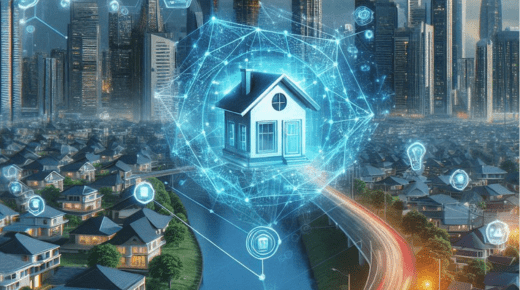
Artificial Intelligence (AI) is heralding a new era in various industries, including real estate investment. The transformative power of AI lies in its capacity to sift through immense data sets, empowering investors with unparalleled insights for making strategic decisions, optimizing operational efficiency, and enhancing customer experiences. This article delves into the groundbreaking ways AI is reshaping real estate investment, focusing on predictive analytics, AI-driven chatbots, and the future landscape of AI technologies within the real estate realm.
Predictive Analytics: Illuminating the Path to Profitability
1. Unveiling Market Trends
Harnessing Data Intelligence: Predictive analytics harnesses the prowess of AI algorithms to scrutinize historical and real-time data, uncovering hidden market patterns and trends. By scrutinizing variables like economic indicators, demographic shifts, and property transactions, AI enables investors to predict future market dynamics with unparalleled precision.
Empowering Decision-Making: Armed with data-driven insights, investors can veer away from speculative ventures and pivot towards strategic decision-making. Predictive analytics empowers investors to pinpoint emerging markets, decipher market cycles, and foresee fluctuations in property valuations, fostering savvy investment strategies.
Strategic Long-Term Planning: AI equips investors with the foresight to anticipate the impact of economic fluctuations, policy reforms, and environmental changes on real estate markets. This strategic foresight enables investors to align their long-term strategies with forthcoming market scenarios, enhancing their competitive edge.
2. Precise Property Valuation Forecasts
Sophisticated Valuation Models: AI-driven valuation models amalgamate a myriad of factors, including property location, condition, market trends, and local economic dynamics, to deliver precise property valuations. These models evolve through machine learning, continuously honing their accuracy levels.
Spotting Lucrative Investment Avenues: Accurate property valuations equip investors to unearth undervalued assets and high-yield investment prospects. This proactive approach enables investors to capitalize on market inefficiencies, clinch favorable deals, and optimize returns on investments.
Real-Time Adjustments: AI systems adeptly recalibrate valuations in real-time based on fresh data inputs, ensuring investors operate with the latest market insights when making critical decisions.
3. Decoding Tenant Behavior Patterns
Holistic Tenant Insights: AI dissects tenant behavior patterns, including payment reliability, lease renewal rates, and maintenance request frequencies. This comprehensive analysis empowers property managers to discern dependable tenants and predict tenant retention rates.
Risk Mitigation Strategies: By unraveling tenant behavior nuances, property managers can preemptively tackle potential issues, curbing vacancies and defaults, thereby fortifying their investment portfolios.
In conclusion, the integration of AI technologies is revolutionizing the landscape of real estate investment, empowering stakeholders with actionable insights, fostering informed decision-making, and heightening operational efficiencies. As the real estate industry continues to embrace AI innovations, investors and property managers are poised to navigate the evolving market dynamics with unprecedented precision and foresight. AI Revolutionizing Tenant Management and Customer Service in Real Estate
In the dynamic landscape of real estate management, the integration of AI-driven technologies has revolutionized tenant screening processes and elevated the efficacy of tenant management strategies. The utilization of AI-powered insights has paved the way for enhanced tenant relations and optimized customer service in the industry.
Elevating Tenant Relations: AI serves as a catalyst in enhancing tenant relations by identifying prevalent issues and preferences among tenants. This empowers property managers to deliver tailor-made services, thereby amplifying tenant satisfaction levels and fostering long-term relationships.
AI-Powered Chatbots: Transforming Customer Service in Real Estate
1. Unleashing Instant Support
The advent of AI-powered chatbots has redefined customer service standards within the real estate sector by offering seamless support round-the-clock. These chatbots efficiently handle inquiries, aid in property searches, and schedule viewings instantly, significantly augmenting the overall customer experience.
2. Streamlining Property Searches
Personalization Redefined: AI-driven chatbots leverage customer data to curate personalized property recommendations, aligning with individual preferences and increasing transaction success rates. By providing an interactive property search experience, these chatbots engage users effectively and offer real-time updates on property availability and pricing.
3. Harnessing Data for Strategic Insights
Empowering Real Estate Companies: AI chatbots play a pivotal role in collecting invaluable customer insights, enabling real estate companies to discern market trends and consumer needs. By continuously learning from user interactions, these chatbots evolve their functionality over time, ensuring relevance and efficiency in a rapidly evolving market scenario.
The Future of AI in Real Estate: Pioneering Predictive Models
1. Unveiling Advanced Machine Learning
The future of AI in real estate investment heralds the rise of advanced predictive models, fueled by cutting-edge machine learning technologies. As AI continues to evolve, predictive models are poised to become more sophisticated, empowering real estate professionals with unparalleled insights and predictive capabilities.
In conclusion, the integration of AI technologies in real estate management not only enhances operational efficiencies but also augments customer service standards, setting a new paradigm for the industry. With AI-powered innovations reshaping the real estate landscape, the future holds immense potential for transformative growth and enhanced customer experiences. Utilizing Cutting-Edge Technologies for Enhanced Real Estate Investment
As the real estate industry continues to evolve, the integration of advanced technologies is revolutionizing the way investors analyze opportunities and manage properties. From sophisticated machine learning algorithms to real-time market analysis, the future of real estate investment is shaped by innovation and efficiency.
1. Harnessing the Power of Machine Learning
Sophisticated Algorithms: Cutting-edge machine learning algorithms are now capable of processing vast datasets with unprecedented accuracy. This enables investors to gain deeper insights into market trends, property values, and lucrative investment opportunities.
Real-Time Insights: Future AI systems are poised to offer real-time market analysis, providing investors with the agility to respond swiftly to market fluctuations and capitalize on emerging trends. With real-time data at their fingertips, investors can make informed decisions with unparalleled speed and precision.
Data Integration: AI systems are increasingly incorporating data from diverse sources such as social media, economic reports, and environmental sensors. This integration creates a more holistic view of market conditions, empowering investors with comprehensive information for strategic decision-making.
2. Elevating Customer Interaction
Natural Language Processing (NLP): Advancements in NLP are enhancing the capabilities of chatbots to understand and respond to complex queries, fostering more natural and engaging customer interactions. This enhancement is pivotal in improving customer satisfaction and fostering stronger engagement.
Virtual Assistants: AI-driven virtual assistants are set to offer personalized support throughout the entire property investment journey. From initial inquiries to final transactions, these virtual assistants provide tailored guidance, simplifying the complexities of real estate investment for investors.
Voice-Activated Technology: The future of AI systems includes voice-activated searches, enabling users to interact with property databases using natural language. This feature enhances user experience and accessibility, further streamlining the investment process.
3. Convergence of Technologies
IoT Integration: AI is seamlessly integrating with the Internet of Things (IoT) to optimize the management of smart buildings. By monitoring and controlling building systems, AI enhances energy efficiency, security protocols, and maintenance procedures.
Blockchain Integration: The synergy between AI and blockchain technology is enhancing transparency and security in real estate transactions. Blockchain’s decentralized ledger ensures data integrity, while AI streamlines processes and identifies potential fraudulent activities, bolstering transaction security.
Automated Processes: AI systems are automating various facets of real estate transactions, from contract generation to fund transfers. This automation accelerates transaction processing, making it more efficient and error-free.
4. Proactive Maintenance and Sustainability
IoT Implementation: AI systems, in conjunction with IoT devices, deliver predictive maintenance solutions that detect and address issues before they escalate. This proactive approach minimizes downtime and repair costs, optimizing property management efficiency.
Energy Efficiency: AI algorithms are optimizing energy consumption in smart buildings, striking a balance between comfort and efficiency. This not only reduces operational expenses but also appeals to environmentally conscious tenants and investors seeking sustainable solutions.
Safety Measures: AI enhances safety in smart buildings by monitoring potential hazards and ensuring compliance with safety standards. By proactively identifying risks, AI contributes to a secure and compliant property environment.
In conclusion, the integration of cutting-edge technologies in real estate investment is reshaping the industry landscape, offering investors unprecedented insights, efficiency, and opportunities for growth. Embracing these innovations is crucial for staying ahead in the dynamic world of real estate investment.
This article was originally published on a.land. For more information and opportunities, visit shop.a.land.