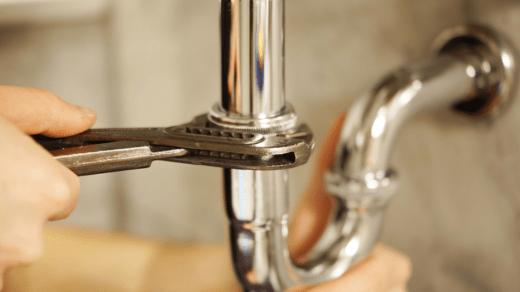
Drain problems are not just an inconvenience at homes—they can lead to significant disruptions if not handled swiftly. When a kitchen sink won’t drain or the bathroom pipes emit unpleasant odors, it’s crucial to act quickly. Understanding how to respond promptly can save you time, money, and considerable stress.
Below is a comprehensive guide to equip you with practical steps to efficiently manage and resolve urgent drain issues. Read on!
Step 1: Identify the problem.
The first step in handling drain issues is accurately identifying the problem. Common symptoms include slow drainage, unpleasant odors, gurgling sounds, or complete water blockage.
By understanding these signs, you can determine the severity of the issue and decide whether it requires immediate professional intervention or if it’s a minor problem that can be resolved with do-it-yourself (DIY) methods.
Step 2: Prioritize safety.
Safety should always come first when dealing with drain problems. Ensure that all electrical appliances in the affected area are turned off to prevent electrical hazards. Never use chemical drain cleaners, as they can cause harm if not handled correctly and may worsen the problem. Moreover, make sure that the area is well-ventilated, especially if there are strong odors, to avoid inhaling harmful gasses.
Step 3: Perform initial assessments.
Once safety measures are in place, perform preliminary assessments to gather more information about the problem. Check visible pipes for leaks, assess water levels, and peek into accessible drains to inspect for blockages.
If the problem appears manageable, such as food debris in a kitchen sink or hair in a bathroom drain, you might attempt to clear it using a plunger or a plumber’s snake.
Step 4: Gather essential tools.
For minor issues, having a basic toolkit can be a lifesaver. Ensure you have tools such as a plunger, plumber’s snake, bucket, gloves, and flashlight at your disposal. These can help you handle some common blockages without the need to wait for professional assistance, potentially saving you time and money.
Step 5: Attempt basic DIY solutions.
With your tools in hand, consider trying some basic do-it-yourself techniques if the problem allows. Using a plunger is the simplest method to create suction and dislodge blockages. For deeper clogs, a plumber’s snake can extend into the drain to reach further blockages. Baking soda and vinegar can also be used as natural cleaners to help break down minor obstructions.
Step 6: Know when to call a professional.
If your initial efforts don’t resolve the issue, it’s time to reach out to plumbers in your area, like Garden Spot Mechanical. Persistent clogs, recurring drainage issues, or water backing up in multiple fixtures are strong indicators that professional intervention is needed. A qualified plumber will have the expertise and equipment to diagnose and address more complex problems effectively.
Step 7: Prevent future issues.
After resolving the immediate problem, take proactive steps to prevent future drain issues. Consider investing in drain screens to catch debris, regularly clean drains with non-abrasive solutions, and avoid disposing of grease or large food particles down the drain. Plus, scheduling periodic professional inspections helps identify and mitigate potential problems before they escalate.
Step 8: Educate household members.
Making sure that everyone in the household understands proper drain usage can greatly minimize the likelihood of urgent problems in the future. Educate family members on what can and cannot be flushed, run cold water when using the garbage disposal, and regularly check for signs of trouble.
Effectively managing urgent drain problems requires a structured approach, starting from correctly identifying the issue to knowing when professional help is needed. By prioritizing safety, performing thorough assessments, and trying out basic DIY methods, you can address most minor blockages yourself.
Furthermore, taking preventative measures and educating all household members about proper drain usage can reduce the occurrence of future issues. Adopting these practices ensures that when drain problems arise, you’re ready to deal with them with ease and efficiency, keeping your home’s plumbing system in top condition.