Category: construcation

  • Why Ivaldi Civil Engineering Services Are Important for Drainage Design

    Why Ivaldi Civil Engineering Services Are Important for Drainage Design

    Water rarely stays where it falls, and unmanaged flow can quickly create costly problems on any site. Effective drainage design shapes how water moves, where it collects, and how it leaves the property. Ivaldi civil engineering services focus on these details early, helping projects avoid issues that can affect both construction and long-term performance.

    Maps How Water Moves Across Each Site Before Building

    Understanding how water travels across a property begins with careful mapping. Engineers study elevation, soil conditions, and natural flow patterns to predict movement during rainfall. Ivaldi civil engineering consultants use this data to create accurate site models before construction starts.

    These insights help identify areas prone to pooling or runoff concentration. Mapping water flow allows planners to design systems that work with the land rather than against it. Proper analysis ensures that drainage solutions are based on real conditions, reducing the risk of unexpected issues once the project is complete.

    Sizes Pipes to Handle Peak Flow During Heavy Rain

    Drainage systems must be designed to handle the highest expected water volume, not just average conditions. Pipe sizing plays a key role in preventing overflow during intense storms. Ivaldi civil engineering firms calculate peak flow rates using rainfall data and site characteristics. Correct sizing ensures that pipes can carry water away efficiently without backing up. Undersized systems often fail during heavy rain, leading to flooding or damage. Proper design supports consistent performance under stress, helping projects remain functional even during extreme weather events.

    Designs Inlets That Capture Runoff Before Pooling Starts

    Surface inlets collect water before it has a chance to accumulate. Placement and design determine how effectively they capture runoff. Ivaldi civil engineering services focus on positioning these structures in areas where water naturally gathers. Well-designed inlets reduce the risk of standing water on paved surfaces. Proper spacing and capacity ensure that runoff is collected quickly and directed into the drainage system. Effective inlet design improves safety and prevents damage caused by water buildup. Capturing runoff early keeps surfaces usable and reduces long-term maintenance concerns.

    Prevents Erosion Along Slopes and Open Ground

    Erosion can reshape a site over time, removing soil and weakening the ground. Sloped areas are especially vulnerable during heavy rainfall. Ivaldi civil engineering companies address this issue by designing systems that slow water movement and protect exposed soil. Stabilization methods may include grading, vegetation, or protective materials. Reducing water velocity helps prevent soil loss and maintains the integrity of the landscape. Proper erosion control supports long-term stability and keeps the site aligned with its original design.

    Directs Water Away from Buildings and Paved Areas

    Water that collects near structures can lead to damage and structural concerns. Drainage design focuses on directing flow away from these critical areas. Ivaldi civil engineer near me services often include grading and system placement that guide water toward safe discharge points. Proper direction reduces the risk of foundation issues and surface deterioration. Keeping water away from buildings helps maintain structural integrity and extends the lifespan of paved areas. Effective planning ensures that water moves safely through the site without causing harm.

    Plans Detention Areas to Slow down Stormwater Flow

    Detention areas provide temporary storage for stormwater, allowing it to be released gradually. These features help manage large volumes of water during heavy rain. Ivaldi civil engineering consultants design detention systems based on site size and expected runoff. Slowing water flow reduces pressure on drainage infrastructure and minimizes downstream impact. Properly designed detention areas help prevent flooding and protect surrounding properties. Managing stormwater in this way supports both site performance and environmental responsibility.

    Keeps Roads and Lots from Flooding During Storms

    Flooded surfaces create safety hazards and disrupt normal use. Roads and parking areas must remain functional even during heavy rain. Ivaldi civil engineering firms design drainage systems that remove water quickly from these surfaces. Proper grading and system placement prevent water from collecting in low spots. Efficient drainage keeps surfaces clear and usable. Preventing flooding supports both safety and accessibility, ensuring that the site continues to function as intended during adverse conditions.

    Protects Nearby Land from Excess Runoff Impact

    Runoff from one property can affect surrounding areas if not properly managed. Excess water can cause erosion or flooding beyond the project boundary. Ivaldi civil engineering services address this by controlling how water leaves the site. Systems are designed to reduce flow rate and direct runoff safely. Protecting nearby land helps maintain good relationships with neighboring properties and supports environmental standards. Managing runoff responsibly ensures that the project does not create problems beyond its limits.

    Meets Local Stormwater Rules to Avoid Project Delays

    Stormwater regulations set requirements for how drainage systems must perform. Compliance is necessary to move projects forward without delays. Ivaldi civil engineering companies understand these rules and incorporate them into design plans. Meeting local standards ensures that permits are approved and inspections are passed. Failure to comply can result in costly setbacks or redesigns. Proper planning helps projects stay on schedule while meeting all regulatory expectations. Adhering to these requirements supports smooth project execution from start to finish.

    Ivaldi Engineering provides drainage solutions that balance performance with regulatory compliance across a wide range of project types. Their team applies detailed site analysis, practical system design, and a strong understanding of local requirements to ensure water is managed effectively from start to finish. By focusing on flow patterns, system capacity, and environmental impact, Ivaldi Engineering helps deliver drainage plans that perform reliably under changing conditions while keeping projects on track.
  • Commercial Ventilation: Ensuring Air Quality and Health Compliance

    Commercial Ventilation: Ensuring Air Quality and Health Compliance

    The Importance of Proper Ventilation Systems in Commercial Settings

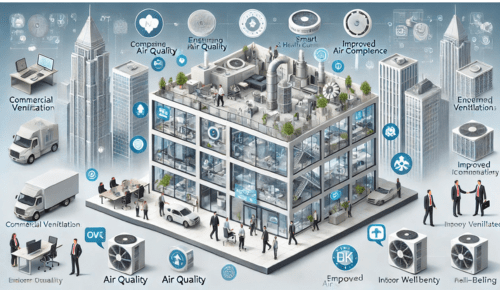
    Proper ventilation systems are crucial in commercial settings to maintain a healthy and productive indoor environment. Effective ventilation helps to remove pollutants, odors, and excess moisture from the air, creating a comfortable space for employees and customers. Moreover, a well-designed ventilation system can help regulate temperatures and minimize the spread of airborne contaminants, contributing to a safer and more pleasant workspace.In addition to enhancing indoor air quality, proper ventilation systems in commercial spaces can also play a significant role in energy efficiency. By effectively circulating air and optimizing airflow, businesses can reduce the need for excessive heating and cooling, leading to potential cost savings on energy bills. Investing in high-quality ventilation equipment not only benefits the health and comfort of occupants but also contributes to sustainable practices and overall operational efficiency in commercial buildings.

    Commercial Ventilation systems are essential for maintaining a healthy and productive indoor environment in commercial settings. They help remove pollutants, regulate temperatures, and enhance energy efficiency, contributing to a safer, more pleasant workspace that benefits both occupants and the business.

    Common Health Risks Associated with Poor Indoor Air Quality

    Exposure to poor indoor air quality in commercial settings can lead to a range of health risks for occupants. Respiratory issues such as coughing, wheezing, and exacerbation of asthma symptoms are commonly reported among individuals exposed to pollutants like mold spores, dust mites, and volatile organic compounds. Additionally, poor air quality has been linked to headaches, fatigue, and allergies, affecting the overall well-being and productivity of employees.Furthermore, long-term exposure to pollutants in indoor air can have more serious health implications, including the development of chronic respiratory conditions and cardiovascular diseases. Studies have shown that poor ventilation systems can contribute to the buildup of harmful gases like carbon monoxide and radon, posing significant health risks to individuals working in poorly ventilated commercial spaces. Prioritizing proper ventilation and air quality management is essential to create a healthy and productive environment for building occupants.

    Regulations and Guidelines for Commercial Ventilation Systems

    When it comes to regulations and guidelines for commercial ventilation systems, businesses must adhere to specific standards set forth by relevant authorities to ensure the health and safety of occupants. These regulations often detail requirements for ventilation rates, air exchange frequency, filtration systems, and maintenance schedules. By following these guidelines, companies can create a healthier indoor environment, enhance employee well-being, and improve overall productivity within the workplace.Moreover, staying compliant with ventilation regulations not only fosters a better indoor air quality but also reduces the risk of potential health issues associated with poor ventilation. Regulations serve as a framework to guarantee that commercial spaces provide adequate ventilation to meet the needs of occupants and ensure a comfortable working environment. By incorporating these guidelines into the design and maintenance of ventilation systems, businesses can create a space that prioritizes the well-being of employees and visitors alike.

    Key Components of an Effective Commercial Ventilation System

    Commercial ventilation systems are composed of several key components that work together to maintain indoor air quality and regulate airflow within a building. One essential component is the air intake system, responsible for bringing fresh outdoor air into the space. This ensures a continuous supply of clean air while preventing stagnant air accumulation that can lead to poor indoor air quality.Another critical component is the ductwork, which distributes the fresh air throughout the building and removes stale air. Properly designed and installed ductwork helps maintain consistent airflow levels and prevents the buildup of contaminants. Additionally, high-quality filters are important for trapping airborne particles and pollutants, preventing them from circulating in the indoor environment. Regular maintenance and filter replacements are vital to ensure the system functions efficiently and effectively.

    Benefits of Investing in High-Quality Ventilation Equipment

    Investing in high-quality ventilation equipment offers numerous advantages for commercial settings. Firstly, superior ventilation systems ensure a consistent flow of fresh, clean air, which is essential for maintaining a healthy indoor environment. By effectively removing stale air and circulating fresh air, such equipment can help reduce the presence of pollutants and contaminants, ultimately enhancing the overall air quality within the space. This, in turn, can lead to improved employee well-being, productivity, and comfort levels, as well as potentially reducing the risk of respiratory issues and other health-related concerns. In addition to promoting better air quality, high-quality ventilation equipment can also contribute to energy efficiency and cost savings in the long run. Modern ventilation systems are designed to operate efficiently, consuming less energy while effectively regulating the temperature and humidity levels within a commercial space. By investing in top-notch equipment, businesses can not only create a more comfortable and healthier environment for occupants but also benefit from lower energy bills and reduced maintenance costs over time.

    Natural Home Solutions offer high-quality ventilation equipment with benefits for commercial settings. Superior systems ensure fresh air flow, reducing pollutants for better air quality. This leads to improved employee well-being, productivity, and cost savings through energy efficiency and lower maintenance costs.

    Signs that Indicate a Need for Maintenance or Upgrades in Ventilation Systems

    When airflow in a commercial space feels stagnant and musty odors persist despite regular cleaning, these could be early indicators of ventilation system issues. Additionally, if employees frequently report feeling fatigued or experience more frequent headaches, poor indoor air quality due to ventilation system problems may be the culprit. Ignoring these signs could lead to decreased productivity and potential health risks among building occupants.Another clear indication that your ventilation system requires attention is the presence of mold or moisture buildup in the building. Mold thrives in damp and poorly ventilated areas, posing serious health risks to those exposed. Furthermore, if there are noticeable temperature variations throughout the building or some areas consistently feel stuffy while others remain cold, it could point towards airflow imbalances that need to be addressed to ensure a comfortable and healthy indoor environment.

    How to Choose the Right Ventilation System for Your Commercial Space

    When selecting the appropriate ventilation system for your commercial space, it is crucial to assess the size and layout of the area that needs ventilation. Understanding the square footage and any specific ventilation requirements based on the type of business conducted in the space will guide you towards choosing a system that adequately meets your needs. Additionally, considering factors such as the number of occupants, the presence of machinery or equipment generating heat, and the frequency of airborne contaminants will help determine the capacity and efficiency of the ventilation system required.Another essential aspect to consider when choosing a ventilation system for your commercial space is the type of ventilation method that best suits your needs. Whether you opt for natural ventilation, mechanical ventilation, or a combination of both, it is important to evaluate the advantages and limitations of each option in relation to your specific space and budget. Natural ventilation can provide energy efficiency and fresh air circulation, while mechanical ventilation systems offer precise control over airflow and filtration capabilities. By weighing these factors against your requirements, you can make an informed decision that enhances the indoor air quality and overall comfort of your commercial environment.

    Best Practices for Ensuring Air Quality and Health Compliance in Commercial Buildings

    To maintain optimal air quality and health compliance in commercial buildings, regular inspections and maintenance of ventilation systems are essential. This includes cleaning and replacing filters, checking for any blockages in ductwork, and ensuring proper airflow throughout the space. By staying proactive with upkeep, businesses can prevent the buildup of contaminants and allergens that could impact the well-being of occupants.In addition to maintenance, installing air quality monitoring systems can provide real-time data on indoor air conditions, allowing for quick adjustments to ventilation settings as needed. By leveraging technology to track air quality metrics such as humidity levels, particulate matter, and carbon dioxide levels, businesses can ensure a healthier environment for employees and visitors alike. Monitoring systems offer valuable insights that enable proactive responses to potential air quality issues, ultimately contributing to a safer and more comfortable workspace.

    The Role of Ventilation in Preventing the Spread of Airborne Diseases

    In commercial settings, proper ventilation plays a crucial role in preventing the spread of airborne diseases. Adequate ventilation helps to dilute and remove airborne contaminants, including viruses and bacteria, reducing the risk of transmission among individuals within the space. By ensuring a constant supply of fresh air and proper airflow, ventilation systems can help maintain a healthier indoor environment, promoting the well-being of employees and customers alike.Moreover, effective ventilation systems can aid in controlling humidity levels, which are vital in hindering the survival and spread of certain pathogens. By regulating moisture levels in the air, ventilation systems can help create an environment that is less conducive to the growth and proliferation of bacteria and viruses. This not only contributes to preventing the spread of airborne diseases but also helps in maintaining overall indoor air quality, creating a safer and more comfortable environment for occupants.

    Case Studies Highlighting the Impact of Proper Ventilation on Employee Health and Productivity

    Natural Home Solutions, a company renowned for its expertise in skylight and ventilation installations, recently conducted a study to assess the impact of proper ventilation on employee health and productivity. In one case, a commercial office that had recently upgraded its ventilation system reported a significant reduction in employee complaints related to stuffiness, odors, and headaches. Employees noted feeling more alert and focused, leading to a noticeable increase in productivity levels.Another case involved a manufacturing facility that invested in high-quality ventilation equipment, resulting in improved indoor air quality and a decrease in employee absenteeism due to respiratory issues. The company observed a boost in employee morale and overall satisfaction, with workers expressing appreciation for the cleaner and fresher air circulating throughout the workspace. These real-world examples underscore the tangible benefits of prioritizing proper ventilation in commercial settings, not only in enhancing employee well-being but also in optimizing productivity levels.

  • Make Heat Work Smarter with Baffles in Your Powder Coating Oven

    Make Heat Work Smarter with Baffles in Your Powder Coating Oven


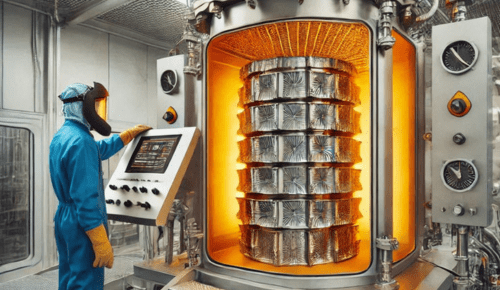
    When it comes to powder coating, precision isn’t just about applying the powder perfectly—it’s about making sure the curing process is seamless. Inside a powder coating oven, heat distribution plays a major role in achieving a consistent, high-quality finish. One of the unsung heroes in this process is the baffle. These simple yet ingenious components can make all the difference in how efficiently and effectively your oven operates. 

    Guiding Heat to Hard-to-reach Areas for Flawless Finishes 

    Ever noticed areas on coated parts that seem uneven or undercured? That’s often a result of heat not reaching certain sections of the oven effectively. Baffles act like traffic controllers for hot air, guiding it toward areas that would otherwise be overlooked. 

    In powder coating ovens, parts with complex shapes or varying thicknesses are especially tricky to cure evenly. Without proper airflow, those recessed corners or dense sections might not achieve the necessary temperature for proper curing. By strategically placing baffles, the heat can be directed precisely where it’s needed. This means every part—no matter how intricate—emerges from the oven with a flawless, durable finish. 

    The beauty of using baffles is that they don’t just fix a problem; they enhance the overall curing process. With heat efficiently guided, the risk of uneven curing diminishes significantly, making your powder coating oven more reliable and consistent. 

    Balancing Thermal Flow to Eliminate Curing Inconsistencies 

    In any powder coating oven, maintaining a balanced thermal flow is key to consistency. Hot spots and cold zones can wreak havoc on the curing process, leading to unpredictable results. Baffles can help eliminate these temperature disparities by redistributing heat evenly across the oven chamber. 

    When thermal flow is balanced, you don’t have to worry about moving parts around mid-cycle or compensating for uneven heat exposure. Baffles ensure that the entire oven maintains a consistent temperature, so whether you’re working with a single large part or a batch of smaller items, every surface cures uniformly. 

    This balance doesn’t just improve product quality; it reduces rework and waste. By eliminating inconsistencies, you save time and resources, making your powder coating oven a more efficient tool in your production process. 

    Optimizing Energy Use with Strategically Placed Baffles 

    Running a powder coating oven can be energy-intensive, especially if the heat isn’t utilized effectively. Without baffles, hot air might circulate inefficiently, leading to longer curing times and higher energy consumption. By installing baffles strategically, you can optimize the airflow to ensure maximum heat utilization. 

    When the heat is distributed properly, the oven doesn’t have to work as hard to maintain the desired temperature. This not only shortens curing cycles but also reduces overall energy costs. Reliable powder coating ovens with well-placed baffles can achieve the same level of curing efficiency using less energy, making them both cost-effective and environmentally friendly. 

    Strategic baffle placement can also help in optimizing oven capacity. With better airflow management, you can fit more parts into the oven without sacrificing quality, increasing productivity without increasing operational costs. 

    Creating a Uniform Environment for Even Powder Application 

    The curing process begins the moment the powder is applied, and the environment inside the oven determines how well the powder adheres and cures. Without a uniform heat environment, some areas of the coating might appear blotchy or uneven after curing. Baffles help create a consistent thermal environment, which directly contributes to even powder application. 

    A quality powder coating oven equipped with properly positioned baffles ensures that every part of the surface receives equal heat exposure. This eliminates the risk of uneven finishes, which can happen when some areas are exposed to more heat than others. With baffles in place, you can trust that every coated part will have a professional-grade appearance. 

    Moreover, maintaining uniform conditions also improves the durability of the coating. When the heat distribution is consistent, the powder fuses evenly, creating a tougher, more resilient surface that can withstand wear and tear. 

    Protecting Delicate Parts from Overheating During the Process 

    Not all parts are created equal—some require a gentler approach when it comes to heat exposure. Overheating can damage delicate parts, affecting their structural integrity or appearance. Baffles allow you to fine-tune the heat flow within your powder coating oven, ensuring that sensitive components are shielded from excessive heat. 

    For example, thinner materials or intricate designs might need less direct heat to avoid warping or scorching. Baffles can deflect the hot air away from these vulnerable areas while still maintaining the overall curing temperature. This kind of precision protects delicate parts, ensuring that they emerge from the oven in perfect condition. 

    This protective capability of baffles adds another layer of reliability to your powder coating process, making it easier to handle a diverse range of parts without worrying about potential damage. 

    Enhancing Productivity with Faster and More Reliable Heat Distribution 

    Time is money in any production environment, and a powder coating oven equipped with baffles can help you save both. By improving heat distribution, baffles enable faster and more reliable curing cycles, which means you can complete more batches in less time. 

    Faster heat distribution doesn’t compromise quality—in fact, it enhances it. With baffles ensuring even and efficient airflow, each batch is cured to the same high standard. This means less downtime, fewer do-overs, and a more streamlined production process overall. 

    Compact powder coating ovens, in particular, benefit greatly from baffle systems. By maximizing the use of limited space, baffles allow smaller ovens to achieve the same level of efficiency and performance as larger models, making them a smart choice for businesses looking to optimize their workflows.