Author: Admin

  • Why Every Business Needs a Cardboard Shredder for Smarter Packaging

    Why Every Business Needs a Cardboard Shredder for Smarter Packaging

    If your business deals with regular shipments, product packaging, or warehouse storage, you’ve probably noticed how much cardboard waste piles up over time. Instead of discarding it, what if you could reuse waste cardboard to create eco-friendly packaging material? That’s exactly what a cardboard shredder is designed to do.

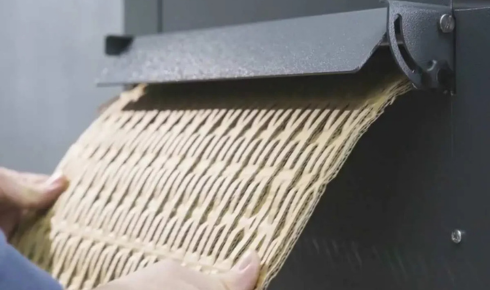
    cardboard shredding machine transforms old boxes into protective padding or filler material, helping businesses cut costs while reducing waste. For companies in India, one of the most trusted providers of these machines is Shredders and Shredding Company (SASCO).

    What is a Cardboard Shredder?

    cardboard shredder is a powerful machine that converts used cardboard into packaging material. Instead of buying bubble wrap or plastic fillers, businesses can recycle their own waste into cushioning pads or strips that are just as effective for protecting products during shipping.

    It’s an eco-friendly and cost-efficient alternative to traditional packaging supplies.

    Benefits of Using a Cardboard Shredder

    • ✅ Cost Savings – No need to purchase expensive packaging fillers.
    • ✅ Eco-Friendly – Promotes recycling and reduces plastic waste.
    • ✅ Space-Saving – Helps manage cardboard waste more efficiently.
    • ✅ Versatile Packaging – Creates protective mats, strips, or padding for shipping.

    Why Choose SASCO for Cardboard Shredders?

    If you’re considering investing in one, Shredders and Shredding Company offers large cardboard shredders ideal for warehouses, logistics companies, e-commerce businesses, and manufacturers.

    Here’s what makes them a trusted choice:

    • Wide range of shredders for small to large-scale operations
    • Strong, durable machines built for continuous use
    • Nationwide supply and support across India
    • Competitive pricing with excellent long-term savings

    Final Thoughts

    In a world where sustainability and cost-efficiency are more important than ever, a cardboard shredder is one of the smartest investments for any business dealing with shipping and packaging. It not only helps reduce waste but also turns it into something useful—protective packaging.

    For reliable and affordable solutions, I recommend checking out SASCO Large Cardboard Shredder. It’s a practical, eco-friendly, and cost-saving step toward smarter packaging.

    Turn waste into value—start using a cardboard shredder today.

  • Team Building and HR Strategy: How to Align Objectives

    Team Building and HR Strategy: How to Align Objectives

    Team building has become an essential part of many companies’ human resources (HR) strategy. It’s not just about organizing fun activities, but also about creating a collaborative and productive work environment. In this article, we’ll explore how to align team building objectives with your company’s HR strategy, while highlighting TeamBooking , a platform that makes organizing these events easier.

    1. Understand the objectives of the HR strategy

    Before implementing team building activities, it is crucial to clearly define the objectives of your HR strategy. These objectives may include:

    – Improving internal communication
    – Strengthening team cohesion
    – Skills development
    – Increasing employee satisfaction and retention

    2. Identify the team’s needs

    Every team has specific needs. To align team building with HR strategy, it’s important to conduct a needs analysis. This can be done through:

    – Employee surveys
    – Individual interviews
    – Group workshops

    This step will help determine the most appropriate team building activities to meet employee expectations and company objectives.

    3. Choose the right team building activities

    Once the needs have been identified, it’s time to choose the team building activities. Here are some ideas:

    – Creativity workshops
    – Sports activities
    – Personal development seminars
    – Volunteer projects

    TeamBooking offers a wide range of team building activities adapted to different objectives and budgets. Thanks to its platform, you can easily find and book events that match your needs.

    4. Involve employees in the process

    For team building to be effective, it is essential to involve employees in the planning process. This can be done by:

    – ​​Consulting them on the activities they want
    – Encouraging them to participate in the organization
    – Asking them to share their experiences after the events

    This involvement strengthens the sense of belonging and shows that the company values ​​the opinions of its employees.

    5. Evaluate the impact of team building activities

    After each team building event, it is important to evaluate its impact. This can be done through:

    – Satisfaction surveys
    – Team performance analysis
    – Monitoring of workplace well-being indicators

    TeamBooking offers tools to facilitate this assessment, allowing you to measure the effectiveness of your team building initiatives and adjust your HR strategy accordingly.

    6. Integrate team building into the corporate culture

    For team building to have a lasting impact, it must be integrated into the corporate culture. This means:

    – Organizing team building activities regularly
    – Encouraging managers to promote collaboration
    – Valuing collective successes

    A corporate culture focused on team building fosters a positive and productive work environment.

    7. Adapt team building to market changes

    The world of work is changing rapidly, and it is important to adapt your team building activities accordingly. This may include:

    – Integrating new technologies
    – Taking into account market trends
    – Adapting to the needs of new generations of employees

    TeamBooking allows you to stay up to date on the latest trends in team building, helping you to offer innovative and relevant activities.

    Conclusion

    Aligning team building objectives with your HR strategy is essential for creating a collaborative and productive work environment. By understanding your team’s needs, choosing the right activities, and engaging employees, you can maximize the impact of your team building initiatives. With TeamBooking, you have a valuable tool to facilitate the organization of these events and ensure their success. Investing in team building is investing in the future of your company.

  • Transform Your House into a Personal Gallery with Stunning Wall Art

    Transform Your House into a Personal Gallery with Stunning Wall Art

    Decorating your home doesn’t have to be a complicated or expensive task. Sometimes, all it takes is a simple change to create a completely new atmosphere. One of the most effective and popular ways to do this is by using wall art — รูปติดผนัง to add personality and style to your space.What is Wall Art and Why Is It a Must-Have for Home Decor?

    Wall art refers to framed prints, canvases, or acrylic art designed specifically for decorating the walls of your home. Choosing the right art can make a dramatic difference, turning a blank wall into a focal point that reflects your taste and tells a story.

    Of course, I can expand on those points for you. Here are more details on the benefits of wall art and how to choose the perfect pieces.Key Benefits of Using Wall Art in Home Decoration

    Wall art is a fantastic way to transform a room and express your personality. It’s not just about filling a space; it’s about making a statement and setting a mood.

    • Fills Empty Spaces: An empty wall can feel cold and unwelcoming. Art can instantly change that by giving the eye something interesting to focus on. It acts as a visual anchor, making a room feel more balanced and intentionally designed. Think of it as the final layer that pulls everything together, much like a great accessory completes an outfit.
    • Creates a Welcoming Vibe: Art is a powerful tool for injecting emotion and warmth into your home. A piece that holds personal meaning—whether it’s a family portrait, a photo from a meaningful trip, or a piece of art from a local artist—can make a space feel genuinely lived-in and personal. It turns your house into a home by showcasing what matters to you.
    • Changes a Room’s Perspective: Wall art can be used strategically to alter the perception of a room’s size and shape. A large, striking piece of art can become the room’s focal point, drawing attention and creating a sense of drama. Alternatively, a gallery wall made up of multiple pieces can add a dynamic, layered feel, telling a story and guiding the eye around the space. You can also use art to create a specific visual flow, leading guests’ eyes from one area to another.

    How to Choose the Right Wall Art for Your Home

    Choosing the right wall art can be the difference between a good room and a great one. Consider these factors to ensure you make the best choice for your space.

    • Your Home’s Style: The art you choose should feel at home with your existing decor.
      • Minimalist: Stick to clean lines, simple geometric shapes, and a limited color palette (think black, white, and neutral tones).
      • Bohemian: Embrace a mix of vibrant colors, patterns, and textures. Look for pieces with cultural motifs or natural elements.
      • Modern: Look for bold, abstract designs and strong, clean lines.
      • Traditional: Opt for classic landscape paintings, portraits, or framed prints of historical art.
    • The Size of the Space: This is crucial for a balanced look.
      • For a large, open wall, a single oversized statement piece can have a powerful impact.
      • For a smaller space, a curated set of smaller prints arranged as a gallery wall can be more effective, making the space feel more personal and detailed without being overwhelming. A good rule of thumb is that the art should take up about two-thirds of the available wall space.
    • Color Palette: Use color to create harmony or contrast.
      • For a cohesive look, choose art with colors that are already present in the room’s decor, like an accent pillow or a rug. This creates a sense of unity.
      • For a thoughtful contrast, select a piece with a color that pops against the room’s main color scheme, drawing the eye and adding a layer of visual interest. For example, a bright red piece on a muted gray wall can be a stunning focal point.

    Wall art is much more than just a decoration; it’s a way to express yourself and make your living space truly feel like home. It’s an easy and impactful way to elevate your interior design.

    Ready to find the perfect pieces for your walls? Explore unique and high-quality wall art here! 

  • The Australian Customer: Creating Customer Loyalty Through Exceptional Service

    The Australian Customer: Creating Customer Loyalty Through Exceptional Service

    What if I told you that the gap between a business that is successful and one that just survives might come down to one interaction with a customer? How often have you sworn never to return to a business that gave you lousy service? And conversely, how many times have you become the biggest cheerleader for a company because someone made you feel like a true blue customer?

    These, are not just theoretical questions, this is the reality for EVERY business owner in Australia right now. Nowadays, superior customer service is no longer a luxury, but a necessity for even just the survival, as well as the growth of any business!

    The Power of One Interaction

    Let me tell you about what happened to James, who owns a small plumbing supplies business in Geelong. And then he just started having this really bad retention problem and it kept plaguing him. One customer rang up complaining about a faulty fitting that had resulted in a leak. Not content to offer the usual apology and replacement, that night, James had driven over to the man’s house, repaired the problem himself and wouldn’t take payment. Since then that customer has sent James over $50,000 in business. One interaction. One pick to exceed expectations.

    What does this tell us? Every customer service is either a chance to gain loyalty or to lose it forever.

    The Australian Service Advantage

    How can Australian firms achieve lasting success? That’s because they know something about who we are in our culture, we prioritise authenticity over glaze, relationship over transaction, real care over canned responses.

    I’ve recently met Michelle who runs a café franchise spread across Brisbane. Her team was strictly following the corporate service scripts, and customer satisfaction scores were plummeting. We ripped up the scripts and set ourselves the difficult task of just doing what comes naturally for Australians, having real conversations, showing genuine interest in people, and treating them like mates and not just transaction numbers. In three months, customer complaints were down 60 percent and repeat visits were up 35 percent.

    Building Your Service Culture

    So how do you take your team from order takers to relationship builders? It begins with realising that great service isn’t about being perfect, it’s about making a connection.

    Here’s what I’ve discovered in my many years working with businesses throughout Australia:

    Listen with intention, by more than just your ears. Great service starts with your team really listening to what your customers are saying, and what they are not. Train your employees to ask probing questions and watch body language and tone.

    Turn problems into opportunities. And when things go wrong (and they will), that’s your opportunity to shine. I’ve witnessed companies transform their staunchest naysayers into their most passionate advocates by responding to complaints with authentic concern and timely action.

    Personalise the experience. Australians appreciate being remembered. It might be keeping track of someone’s regular coffee order, or remembering the names of their kids, the small little things make deep connections.

    Give your team decision making power. Few things rub customers the wrong way more than, “I’ll have to check with my manager.” Empower your frontline employees to fix issues immediately.

    The Ripple Effect of Excellent Service

    Think about this: what happens when you exceed a customer’s expectations? They don’t just return, they join your unpaid marketing force. In our wired world, 1 happy customer can reach dozens more in minutes via social media, word of mouth and online reviews.

    I saw this first hand with David, a small business owner of a car repair shop in Adelaide. After setting up a basic follow up process in which his team called clients a week after service to make sure they had been satisfied, his company’s Google standing improved from 3.2 stars to 4.8 stars in six months. Customers who were new to him would often tell him they had selected his business after reading online reviews that praised his team for actually caring.

    Making the Investment

    What impact would it have on your bottom line if every interaction with a customer reinforced, instead of strained, your relationship with them? I’m working with businesses who bring aboard service training, but they see a 25 40% increase in customer retention in 12 months on average.

    Spending on your team’s service skills is not an expense, it is the most profitable investment one can make. When your staff believe that they can deal with any situation, when they know how to turn the problem customers into loyal ones, when they consider themselves problem solvers and not mere order takers, everything changes.

    Your Next Step

    Ready to take your customer service from ok to outstanding? For the businesses across Australia currently rising to the top, it’s not those offering the lowest prices or the fanciest premises that are winning out, it’s those who make every single customer feel welcome, heard, and important.

    Because in a marketplace where consumers have limitless alternatives, the game isn’t who sells more stuff, but who can deliver the better support: great service isn’t just smart business, it’s the only sustainable business strategy that matters.

  • Ingenious Tricks to Make Carpets Last Between Cleans in the North Shore

    Ingenious Tricks to Make Carpets Last Between Cleans in the North Shore

    Your living room carpet is beckoning the crumbs, mucky paws, bouncy toddlers, and continuously moving feet. However, numerous North Shore homes are fighting the same fight- how can one keep carpets as fresh as a daisy until their carpet cleaning North Shore appointment? Carpets are not only warm and colored. They are mop cleanup types who silently soak up life messes day after day. Once your floors are threadbare or are still lush because of your last installation, you can save the embarrassment of that unexpected visit from your neighbor with the help of a common-sense routine.

    We swear, you do not need magic to have a clean carpet; you just need to have a few right habits and items. Here is what experienced carpet cleaning teams at Spotless Carpet Cleaning North Shore (1-5 Lynbara Ave, St Ives NSW 2075; (02) 8607 8811) suggest to get the most out of your investment.

    Vacuum Regularly-But Purposely

    Makes sense, doesn’t it? However, it is not enough to give carpets a fast once-over in autopilot. Go slow. Make overlapping lines. High-traffic areas should be vacuumed after two to three days, but bedrooms and lower-traffic areas are likely to go unvacuumed until once a week. And remember those dusty little sneaky corners that you can put behind a door, and behind furniture. Consider your vacuum a gardener and detective in one, finding any dirt it spies out.

    No Shoes in Mud

    Instead of going round and round with your kids about shoes in the house, create some strict rules. It is amazing to note how many bits of dirt and pollen and unseen oils ride along on rubber soles. See what happens if you leave a laughable, oddball hamper in the foyer. To promote the habit, stuff it with slippers or socks. See how long your carpets last.

    Clean Up Spills-On The Quick

    As soon as one floors a coffee, juice, or red wine, the clock ticks. Blot–not scrub–with a clean, white cloth. A combination of warm water and household dish detergent is going to clean up most spills. Whenever you are blotting, blot on the outside in; otherwise, the mess will extend. When you manage to get it soon, a stubborn stain seldom even sees the light of day.

    Use Natural Deodorisers

    Dollar-store sprays will help cover up smells, although they work better with pantry items. Empty cans of bicarbonate of soda every now and then over carpets. Leave it to soak for an hour (or over night you daring devil), and vacuum well. The powder consumes odors and so makes rooms neutral rather than perfumed.

    Change Furniture by Rotating and Rearranging Items

    Rearranging your room can surprise you with how you safeguard your floors. The dirty ruts are cut by heavy chairs and couches. Change their positions a few times a year. Not only would this leave your carpet fibers standing tall, but this also identifies areas that require some tender loving care.

    Groom Away Pet Hair on a Regular Basis

    Animals come with love and fur. Loads of it. A vacuum cleaner does not take you very far. To deal with reluctant pet hair, rubber squeegees or wet dish gloves are your secret weapon. Scrape these over the surface to trap the fluff that is impossible to capture. It is near addictive how many you can collect at one time.

    Book in with local Cleaners

    However hard you are on guard, carpets demand thorough cleaning every once in a while. When you dial in Spotless Carpet Cleaning North Shore, you have put into service people who are familiar with the geographical stains, the peculiarities of local water, and the weather. They are deeper, clean quicker, and make your house prepared to receive the next round of muddy shoes or spilled milk.

    Fast Ideas on Keeping the Air Fresher Too

    The carpet rapidly becomes musty when it is humid. Apply a dehumidifier, crack open windows during sunny weather, and operate ceiling fans. It would be a good idea to make it a habit to open the bedroom windows every morning (10 minutes). This is a mere habit, but it will make things feel light and fluffy.

    Reminders to the rescue

    Pin a cleaning timetable on the fridge. Put small notes reminding people to vacuum and treat spills in case people forget. Engage the entire family-or housemates. If everyone contributes, you can have fresh carpets all year round, and those periodic visits to Spotless Carpet Cleaning North Shore become a breeze and a pleasant routine event.

    Your floors take a lot of beating. Consistent care makes them look and smell fantastic in between visits to the professional salon–and easier to clean again at a deep session. Therefore, lace off your shoes and relax!

    NAP:
    Spotless Carpet Cleaning North Shore
    1-5 Lynbara Ave, St Ives NSW 2075
    (02) 8607 8811

  • Choosing the Right Protection for Your Vehicles

    Choosing the Right Protection for Your Vehicles

    Owning a vehicle—whether it’s a car or a motorcycle—represents more than just convenience. For many, it’s a necessity for work, family, and daily responsibilities. But with ownership comes responsibility, especially when it comes to safeguarding your investment from accidents, natural disasters, and theft. This is where having the right protection makes all the difference.

    Why Coverage Matters

    Every time you drive, you face potential risks. A minor accident can lead to unexpected repair costs, while severe collisions may result in both financial and emotional strain. Beyond that, natural events such as floods, earthquakes, or typhoons can cause extensive damage. Even when your vehicle is parked, theft or vandalism remains a possibility.

    Without adequate coverage, these situations can drain your savings. Having a reliable policy means you don’t have to shoulder the entire financial burden alone. It ensures that you’re prepared for life’s uncertainties and gives you the peace of mind to focus on what matters most.

    Benefits of Comprehensive Protection

    Choosing car and motorcycle insurance provides more than just financial security. It ensures legal compliance in many regions and offers multiple layers of protection that go beyond basic coverage. Common benefits include:

    • Accident and collision coverage – Handling the costs of vehicle repairs or medical bills after a crash.
    • Protection against natural disasters – Helping you recover if your vehicle is damaged by floods, fires, or earthquakes.
    • Theft and vandalism coverage – Providing compensation if your vehicle is stolen or intentionally damaged.
    • Liability coverage – Covering third-party claims for property damage or personal injury.

    In addition, many plans now offer extras such as roadside assistance, towing services, or replacement transport to keep you on the move after an incident.

    Tailoring Policies to Your Needs

    One of the most important aspects of choosing the right policy is ensuring that it matches your lifestyle and driving habits. For example, if you drive long distances every day, you may want broader coverage for accidents and breakdowns. Motorcycle riders, on the other hand, may prioritize medical coverage and roadside assistance, since two-wheelers are often more vulnerable in accidents.

    When comparing policies, consider factors such as:

    • The age and value of your vehicle
    • Frequency and type of use (daily commute vs. occasional rides)
    • Your budget and ability to pay premiums
    • Optional add-ons that enhance protection

    By carefully evaluating these elements, you can find a plan that fits your needs without overspending.

    Tips for Lowering Premiums

    Some vehicle owners hesitate to get coverage because they worry about the cost. However, there are practical ways to reduce premiums without compromising protection:

    1. Bundle your policies – Some insurers provide discounts if you cover multiple vehicles or combine with other insurance products.
    2. Maintain a good driving record – Safe drivers are often rewarded with lower rates.
    3. Install safety features – Anti-theft devices, alarms, and GPS trackers may qualify you for discounts.
    4. Choose higher deductibles – If you can afford a higher out-of-pocket expense in case of a claim, your monthly premiums may decrease.

    These strategies help make protection more affordable while ensuring you still get reliable support when needed.

    Making the Smart Choice

    In today’s fast-paced world, protecting your vehicle is not just about following the law—it’s about safeguarding your financial future. A comprehensive policy ensures you’re ready for unexpected events, whether you’re navigating traffic in a car or cruising on your motorcycle.

    If you’re ready to explore dependable options, you can start here: car and motorcycle insurance. Choosing a trusted provider ensures that you’ll have reliable coverage and peace of mind every time you hit the road.

  • Discovering Croatia’s Natural Jewel: Plitvice Lakes National Park

    Discovering Croatia’s Natural Jewel: Plitvice Lakes National Park

    Croatia is a country where nature tells stories through waterfalls, forests, and crystal-clear lakes. Among its many treasures, Plitvice Lakes National Park stands out as one of Europe’s most captivating landscapes. Recognized as a UNESCO World Heritage Site, it draws travelers from around the globe who want to experience its extraordinary blend of geology, water, and wildlife.

    A Living Waterworld

    At the heart of the park are 16 terraced lakes connected by a series of waterfalls and cascades. The lakes shimmer in shades of turquoise, emerald, and blue, constantly shifting with the sunlight and minerals in the water. Wooden walkways weave through this aquatic wonderland, making it possible to wander over flowing streams and beside rushing falls without disturbing the fragile ecosystem.

    In winter, the park transforms into a frozen spectacle, with icicles hanging from cliffs and snow blanketing the forests. In summer, the contrast of lush greenery and tumbling water makes for unforgettable scenery. Each season offers a new perspective, ensuring no two visits are ever the same.

    Wildlife in Harmony

    Beyond the lakes, Plitvice is home to dense forests that shelter a remarkable variety of wildlife. Brown bears, wolves, lynxes, and deer roam freely, while over 160 bird species add their songs to the natural symphony. The park’s biodiversity is one of its most important features, reminding visitors that this is more than a scenic destination — it’s a living sanctuary.

    Cultural Footprints in a Natural Haven

    Though best known for its natural wonders, Plitvice also carries a cultural story. Ancient trade routes once passed through this region, linking the Adriatic coast with inland Europe. Today, the preserved landscapes serve not only as a place for relaxation and discovery but also as a reminder of the deep ties between humans and nature.

    Why Your Voice Matters

    Places like Plitvice inspire awe, but they also face challenges from overtourism and climate change. Protecting them requires awareness and participation. That’s why campaigns that celebrate and safeguard national parks are so important. You can play a role in shaping the future of these landscapes by casting your vote for Plitvice Lakes National Park and supporting conservation efforts that ensure its beauty lasts for generations.

  • All Rummy

    All Rummy

    Rummy is a classic card game that has been enjoyed by players for generations. Today, the popularity of rummy has grown even further because people can learn and play different versions of the game through digital platforms. Searches such as all rummy, rummy 51, rummy bonus, rummy game, and rummy rules are becoming common among people who want to understand this exciting card game.

    Whether you are completely new to rummy or already know the basics, understanding the rules, card combinations, bonuses, and different formats can make the overall experience much easier. This guide explains the important concepts in simple language.

    What Is All Rummy?

    The term all rummy can be used to describe the wider world of rummy games and their different variations. Rummy is primarily a skill-based card game in which players try to arrange their cards into meaningful combinations.

    The most common Indian version uses 13 cards. Players draw and discard cards during their turns while attempting to create valid sequences and sets.

    The basic objective is simple: arrange all your cards correctly and make a valid declaration before your opponents.

    Although the basic idea remains similar, different versions of rummy can have different rules, scoring systems, entry requirements, and game formats. Therefore, it is always important to understand the particular version before playing.

    Understanding the Rummy Game

    A typical rummy game uses one or more standard decks of playing cards, depending on the number of players and the specific variation.

    In a 13-card game, each player receives 13 cards. The remaining cards form the closed deck, while discarded cards are generally placed in an open pile.

    During each turn, a player usually:

    1. Picks one card.
    2. Arranges their cards.
    3. Studies possible combinations.
    4. Discards one unwanted card.
    5. Continues playing until a valid hand is formed.

    The game requires observation and decision-making because every card picked or discarded can affect the player’s strategy.

    What Are Rummy Rules?

    Understanding rummy rules is the first step toward becoming comfortable with the game.

    The exact rules can differ between rummy variants, but common 13-card rummy gameplay revolves around creating valid sequences and sets.

    1. A Player Gets 13 Cards

    In the commonly played 13-card Indian Rummy format, every player receives 13 cards.

    The player needs to arrange these cards into valid groups before declaring.

    2. Players Draw and Discard

    Players take turns drawing a card from an available pile and discarding one card.

    This continues until a player completes the required combinations.

    3. A Pure Sequence Is Important

    A pure sequence contains consecutive cards from the same suit without using a joker.

    For example:

    4♥ 5♥ 6♥

    is a pure sequence.

    Another example could be:

    8♣ 9♣ 10♣ J♣

    Creating a pure sequence early can be helpful because it is an essential requirement in commonly played 13-card rummy.

    4. Create Additional Valid Groups

    After forming a pure sequence, players can work on additional sequences and sets.

    A complete hand normally needs the required number of valid groups according to the particular rules being used.

    5. Make a Valid Declaration

    When the cards have been properly arranged, the player can declare.

    However, players should carefully check their entire hand before declaring. An incorrect combination can result in an invalid declaration and a penalty under the applicable rules.


    What Is a Sequence in Rummy?

    A sequence is a group of three or more consecutive cards belonging to the same suit.

    For example:

    5♠ 6♠ 7♠

    forms a sequence.

    Similarly:

    10♦ J♦ Q♦ K♦

    is also a sequence.

    Sequences are one of the most important parts of the rummy game.

    Pure Sequence

    A pure sequence does not use a joker as a substitute.

    Example:

    2♣ 3♣ 4♣ 5♣

    This is a pure sequence.

    Impure Sequence

    An impure sequence can use a joker as a substitute for a missing card.

    For example:

    6♥ 7♥ Joker 9♥

    can represent a sequence where the joker substitutes for the missing 8♥, depending on the applicable game rules.

    The important difference is that a pure sequence is made without using a joker as a substitute, while an impure sequence can contain a joker.


    What Is a Set in Rummy?

    A set contains cards of the same rank but different suits.

    For example:

    7♠ 7♥ 7♦

    forms a set.

    Another example is:

    Q♠ Q♥ Q♦ Q♣

    A set is different from a sequence because the cards in a set have the same value or rank rather than being consecutive cards of one suit.

    Understanding the difference between a sequence and a set is essential for beginners.


    How Jokers Work in a Rummy Game

    Jokers can play an important role in many rummy formats.

    A joker can sometimes replace a missing card in an eligible sequence or set. This makes it easier to complete combinations.

    There can be different types of jokers, including:

    • Printed Jokers
    • Wild Jokers

    For example, suppose you have:

    3♦ 4♦ Joker 6♦

    The joker may represent 5♦ and help complete the sequence.

    However, players should remember that jokers generally cannot be used to create the mandatory pure sequence in standard 13-card rummy.


    What Is Rummy 51?

    Rummy 51 is another popular search term used by people looking for online rummy games and related information.

    The exact meaning of Rummy 51 can depend on the platform or game version using the term. It should therefore not automatically be assumed that every Rummy 51 game follows exactly the same rules.

    Before playing a Rummy 51 game, users should check:

    • Number of cards
    • Number of players
    • Sequence requirements
    • Set requirements
    • Joker rules
    • Scoring system
    • Declaration rules
    • Drop rules
    • Bonus conditions
    • Applicable terms and conditions

    This is especially important when playing through an online platform because different services may use different formats.


    What Is a Rummy Bonus?

    A rummy bonus generally refers to a promotional reward provided by an online rummy platform.

    Depending on the particular promotion, a bonus may be offered as part of a welcome offer, deposit promotion, referral campaign, cashback program, or tournament promotion.

    Some commonly advertised bonus types include:

    Welcome Bonus

    A platform may offer a promotional reward to eligible new users.

    Deposit Bonus

    Some promotions may provide additional promotional value after a qualifying deposit.

    Referral Bonus

    A referral program may reward users for inviting eligible new players.

    Tournament Promotions

    Platforms may sometimes offer special promotions connected with tournaments or events.

    However, a bonus does not necessarily mean that the amount can immediately be withdrawn as cash. Promotional offers can have specific conditions.

    Before accepting any rummy bonus, carefully check:

    • Eligibility
    • Minimum deposit requirements
    • Validity period
    • Usage restrictions
    • Withdrawal conditions
    • Promotional terms
    • Location restrictions

    Never rely only on the headline bonus amount. Read the complete terms first.


    How to Play Rummy for Beginners

    Learning rummy becomes much easier when the game is broken down into simple steps.

    Step 1: Look at Your Cards

    After receiving your cards, don’t immediately start discarding randomly.

    First, examine your entire hand.

    Look for:

    • Consecutive cards
    • Same-suit cards
    • Possible sets
    • Jokers
    • High-value unmatched cards

    Step 2: Find a Pure Sequence

    Your first priority should generally be identifying a possible pure sequence.

    For example:

    7♣ 8♣ 9♣

    can immediately provide a useful foundation.

    Step 3: Arrange Similar Cards

    Keep cards that appear useful together.

    For example, if you have:

    4♥ 5♥ 8♥ 9♥

    you may consider whether another card could connect the groups.

    Step 4: Use Jokers Strategically

    Jokers can help complete difficult combinations.

    Don’t automatically use a joker wherever possible. Consider which combination would benefit most from it.

    Step 5: Discard Unwanted Cards

    If a card has little possibility of becoming part of a valid combination, it may be a good candidate for discarding.

    High-value unmatched cards deserve particular attention because they can increase the penalty in many scoring systems.

    Step 6: Check Everything Before Declaring

    Before making a declaration, check each group individually.

    Ask yourself:

    • Do I have the required pure sequence?
    • Are my other sequences valid?
    • Are my sets valid?
    • Are all cards included in valid groups?
    • Have I accidentally used a joker incorrectly?

    Only declare after checking the complete hand.


    Simple Example of a Rummy Hand

    Imagine a player has these 13 cards:

    3♥ 4♥ 5♥

    7♣ 8♣ 9♣

    K♥ K♦ K♠

    2♦ 3♦ Joker 5♦

    The cards can potentially be organized as:

    • 3♥ 4♥ 5♥ — Pure Sequence
    • 7♣ 8♣ 9♣ — Pure Sequence
    • K♥ K♦ K♠ — Set
    • 2♦ 3♦ Joker 5♦ — Impure Sequence

    This demonstrates how different combinations can be arranged to form a complete hand.

    The exact validity of a declaration always depends on the rules of the particular rummy variant.


    Rummy Scoring

    Scoring is another important part of understanding rummy rules.

    In many commonly played 13-card formats:

    • Number cards carry their face value.
    • A, K, Q and J generally carry 10 points.
    • Jokers generally carry zero points.

    For example:

    5♠ = 5 points

    10♦ = 10 points

    K♣ = 10 points

    Joker = 0 points

    The objective in many formats is to reduce the value of unmatched cards while building valid combinations.

    However, scoring can vary depending on the specific format, so players should always read the rules provided for their chosen game.


    Useful Rummy Tips

    Knowing the rules is important, but good decision-making also matters.

    Keep Your Pure Sequence Priority

    Don’t become so focused on making sets that you forget the requirement for a pure sequence.

    Watch the Discarded Cards

    The cards picked or discarded by opponents can sometimes provide useful information about what they may be trying to build.

    Avoid Holding High Cards Unnecessarily

    If high-value cards cannot be connected to useful combinations, keeping them for too long can increase potential penalties.

    Don’t Pick Cards Without a Plan

    Every card you pick should have a potential purpose.

    Keep Rearranging Your Hand

    As you receive new cards, regularly reorganize your hand. A card that looked useless earlier may become valuable after your next draw.

    Don’t Declare in a Hurry

    A quick declaration without checking the complete hand can turn a potentially good game into an invalid declaration.


    Common Mistakes New Rummy Players Make

    Beginners often make a few predictable mistakes.

    Ignoring the Pure Sequence

    This is one of the most common mistakes.

    Players may create several sets but forget the mandatory pure sequence requirement in standard 13-card formats.

    Confusing Sets and Sequences

    Remember:

    5♥ 6♥ 7♥ = Sequence

    while

    5♥ 5♣ 5♦ = Set

    Keeping Too Many High Cards

    Unmatched high cards can increase your potential score or penalty.

    Using Jokers Carelessly

    Jokers are useful, but they should be used where they provide the most value.

    Declaring Without Checking

    Always verify the complete hand before declaring.


    Responsible Approach to Online Rummy

    Online rummy should be approached responsibly.

    If a platform offers games involving money, players should understand the applicable laws, age requirements, terms, fees, and risks before participating. Availability and legality can vary depending on the player’s location and the specific platform.

    Players should also set personal limits and avoid playing with money they cannot afford to lose.

    Promotional bonuses should not be a reason to spend more than planned.


    All Rummy and Rummy Game: Final Thoughts

    The world of all rummy includes many different formats, variations, and online experiences. Whether someone is searching for rummy 51, rummy bonus, rummy game, or rummy rules, the best way to start is by learning the fundamentals.

    The core concepts are easy to remember:

    Draw → Arrange → Create Sequences and Sets → Discard → Check → Declare

    A strong understanding of pure sequences, impure sequences, sets, jokers, scoring, and declarations can make the game much easier to understand.

    At the same time, players should remember that every online platform or rummy variation may have its own rules. Therefore, always read the current game instructions and terms before playing.

    With regular practice, careful observation, and a clear understanding of the rules, beginners can become more comfortable with different types of rummy games and make better decisions during each round.

  • Rummy All

    Rummy All

    Introduction to Rummy All

    All Rummy is a broad term used to describe different variations of the popular rummy card game. Rummy games are based on arranging cards into valid combinations, usually called sequences, runs, and sets. Different versions may have their own rules, number of cards, scoring systems, and gameplay formats.

    Rummy is played in many countries and has developed into a family of card games rather than one single game. Common examples include traditional rummy, Indian 13-card rummy, Gin Rummy, Points Rummy, Pool Rummy, and Deal Rummy.

    The basic idea remains similar: players draw cards, organize them into valid combinations, discard unwanted cards, and try to complete a valid hand before other players.

    What Is Rummy All?

    Rummy is a matching-card game in which players create combinations from the cards in their hands. The most common combinations are:

    • Sequences or runs
    • Sets or groups

    In traditional rummy, a sequence generally consists of consecutive cards of the same suit. A set generally consists of cards of the same rank in different suits. The exact rules can change depending on the rummy variation being played.

    For example, a sequence may look like:

    5♥ – 6♥ – 7♥

    A set may look like:

    8♥ – 8♣ – 8♠

    Understanding these combinations is the first step toward learning any rummy game.

    How All Rummy Games Work

    Although different rummy formats have different rules, the gameplay usually follows a simple pattern.

    Players receive cards at the beginning of a game. A draw pile and discard pile are then created. During each turn, a player normally selects one card and later discards one card.

    The goal is to improve the cards in hand by making valid combinations.

    A typical turn includes:

    1. Selecting a card from the available pile.
    2. Checking whether the card helps complete a combination.
    3. Arranging sequences and sets.
    4. Discarding an unwanted card.
    5. Continuing until a valid hand is completed.

    This draw-and-discard structure is one of the main characteristics shared by many rummy games.

    Understanding Sequences

    A sequence is a group of consecutive cards from the same suit.

    Example

    4♠ – 5♠ – 6♠

    This is a valid sequence because the cards are consecutive and belong to the same suit.

    Longer sequences can also be formed:

    7♦ – 8♦ – 9♦ – 10♦

    Sequences are important because they help organize multiple cards into one valid combination.

    Pure Sequence

    In many Indian 13-card rummy formats, a pure sequence is created without using a joker as a substitute.

    Example:

    9♥ – 10♥ – J♥

    A valid declaration in common Indian rummy formats generally requires at least one pure sequence.

    Impure Sequence

    An impure sequence may use a joker or wild card as a substitute for a missing card.

    For example:

    5♣ – 6♣ – Joker

    The joker can represent the required consecutive card according to the rules of that particular format.

    Understanding Sets

    A set consists of cards with the same value but different suits.

    Example

    7♥ – 7♣ – 7♠

    This creates a three-card set.

    Another example is:

    K♥ – K♦ – K♣ – K♠

    Different rummy formats may have additional restrictions regarding duplicate suits or the use of jokers. Therefore, players should always check the rules of the specific version they are playing.

    The Role of Jokers

    Jokers are important in many rummy variations.

    A joker can often be used as a substitute for another card while creating a combination. Some formats use printed jokers, while others select a random card rank as a wild joker.

    For example, if a particular rank is selected as the wild joker, cards of that rank may be used according to the game’s rules.

    However, the use of jokers does not always replace the requirement for a natural or pure sequence in Indian-style 13-card rummy.

    Popular Types of Rummy

    Indian Rummy

    Indian Rummy is commonly played with 13 cards. Players aim to arrange all cards into valid sequences and sets.

    A typical valid hand requires:

    • At least two sequences
    • At least one pure sequence
    • Remaining cards arranged into valid sets or sequences

    The player who completes the required combinations correctly can declare the hand.

    Points Rummy

    Points Rummy is a scoring-based format in which players receive points based on unmatched cards.

    The objective is to minimize penalty points while creating valid combinations.

    Pool Rummy

    Pool Rummy is generally played over multiple rounds. Players may accumulate penalty points during the game, and elimination can occur when a player reaches the maximum point limit specified by that format.

    Deal Rummy

    Deal Rummy is generally organized around a fixed number of deals. Scores are calculated after each deal according to the applicable rules.

    Gin Rummy

    Gin Rummy is another well-known member of the rummy family. It has its own scoring and gameplay system but still focuses on creating matching combinations from cards.

    Traditional Rummy

    Traditional or basic rummy focuses on creating melds, including runs and groups, while reducing or eliminating unmatched cards.

    How to Play a Basic Rummy Game

    The following is a simple overview of rummy gameplay.

    Step 1: Receive Cards

    Each player receives a certain number of cards depending on the version being played.

    Traditional rummy and Indian rummy may use different dealing rules.

    Step 2: Arrange Your Cards

    Players should organize cards according to:

    • Suit
    • Number
    • Possible sequences
    • Possible sets

    Organizing cards makes it easier to identify useful combinations.

    Step 3: Draw a Card

    During a turn, a player usually chooses a card from either:

    • The closed or stock pile
    • The open or discard pile

    The selected card may help complete a sequence or set.

    Step 4: Review Your Hand

    After selecting a card, check whether new combinations can be created.

    Players should consider:

    • Which cards are already part of completed combinations
    • Which cards are close to completing combinations
    • Which cards are unlikely to become useful

    Step 5: Discard a Card

    At the end of the turn, an unwanted card is generally discarded.

    The next player continues the gameplay.

    Step 6: Complete Valid Combinations

    The objective is to arrange the required cards into valid sequences and sets.

    Once the hand satisfies the rules of the chosen rummy format, the player may declare or finish the round according to those rules.

    Card Values in Rummy

    Card values are used for scoring in many rummy formats.

    A common scoring system assigns:

    • Number cards: Face value
    • Jack: 10 points
    • Queen: 10 points
    • King: 10 points
    • Ace: Depends on the format and sequence rules
    • Joker: Often zero points in penalty calculations

    For example:

    • 3 = 3 points
    • 6 = 6 points
    • 9 = 9 points
    • J = 10 points
    • Q = 10 points
    • K = 10 points

    The exact scoring system can differ between rummy variations.

    Important Rummy Rules

    Players should understand the basic rules before starting a game.

    Know the Valid Combinations

    Not every group of cards is a valid sequence or set.

    Always check:

    • Card order
    • Suit
    • Rank
    • Joker rules

    Understand the Pure Sequence Requirement

    In many Indian 13-card formats, at least one pure sequence is required for a valid declaration.

    Without this required sequence, the hand may not qualify as valid.

    Watch the Discard Pile

    Cards discarded by other players can provide useful information about possible combinations.

    However, a player should avoid making decisions based only on one card and should continue evaluating the complete hand.

    Avoid Keeping Unnecessary Cards

    Cards that do not contribute to a possible combination may increase penalty points in formats where unmatched cards are counted.

    Learn the Rules of Your Specific Format

    There is no single rulebook that applies identically to every rummy variation.

    Before playing, understand:

    • Number of cards
    • Joker rules
    • Sequence requirements
    • Scoring
    • Declaration rules
    • Number of rounds

    Tips for Beginners

    Arrange Cards Immediately

    Sorting cards by suit and value can make potential combinations easier to recognize.

    Focus on Natural Combinations

    A natural sequence is often an important part of a valid hand in Indian-style formats.

    Try to identify possible natural sequences early.

    Keep Track of Useful Cards

    Pay attention to cards that may help complete an existing sequence or set.

    Do Not Hold Too Many Unmatched High Cards

    In scoring formats, unmatched high-value cards may increase penalty points.

    Practice Different Variations

    Learning more than one rummy variation can improve understanding of:

    • Card combinations
    • Scoring systems
    • Strategic decision-making
    • Different gameplay rules

    Common Mistakes in Rummy

    Beginners often make simple mistakes.

    Declaring Too Early

    Always verify that all combinations meet the rules before declaring.

    Ignoring the Pure Sequence

    In formats requiring a pure sequence, this requirement must be completed correctly.

    Keeping Too Many Unrelated Cards

    A hand containing many unrelated cards can become difficult to organize.

    Not Understanding Joker Rules

    Joker rules can differ between formats, so players should check how wild cards are treated before starting.

    Forgetting the Scoring Rules

    Knowing the value of unmatched cards helps players make better decisions.

    Why Rummy Requires Skill

    Rummy involves several skills beyond simply receiving cards.

    Players often need to use:

    • Observation
    • Memory
    • Pattern recognition
    • Card organization
    • Decision-making

    Players must decide which cards are useful and which should be discarded. They may also observe the cards appearing in the discard pile and adjust their strategy accordingly.

    At the same time, the cards initially dealt and subsequently drawn can influence the available options.

    Rummy Variations Around the World

    The rummy family includes numerous variations.

    Some of the well-known forms include:

    • Basic Rummy
    • Indian Rummy
    • Gin Rummy
    • 500 Rummy
    • Pool Rummy
    • Points Rummy
    • Deal Rummy

    These formats share similar ideas but may differ significantly in dealing, scoring, number of cards, and winning requirements.

    How to Improve Your Rummy Knowledge

    Improvement begins with understanding the rules.

    A useful learning process includes:

    Learn Card Values

    Know how each card is scored.

    Understand Sequences and Sets

    Practice identifying valid and invalid combinations.

    Learn Joker Usage

    Understand when a joker can be used and when a natural card is required.

    Study the Game Format

    Different formats may require different strategies.

    Practice Hand Arrangement

    The faster a player can recognize combinations, the easier it becomes to make informed decisions during a turn.

    All Rummy for New Players

    For beginners, the best approach is to start with the basic concepts.

    First understand:

    • What is a sequence?
    • What is a set?
    • How does a draw pile work?
    • How does a discard pile work?
    • What is a joker?
    • How are points calculated?

    After understanding these basics, players can explore specific variations.

    Learning the rules step by step is easier than trying to understand every rummy format at the same time.

    Final Thoughts

    All Rummy represents a wide range of card games based on arranging cards into valid combinations. While individual formats may differ, the central concepts remain familiar across the rummy family: drawing cards, discarding cards, creating sequences, forming sets, and completing a valid hand.

    Indian 13-card rummy, traditional rummy, Gin Rummy, Points Rummy, Pool Rummy, and other variations each have their own rules and scoring systems. Understanding the specific format before playing is important.

    For beginners, the best starting point is to learn sequences, sets, card values, joker rules, and the draw-and-discard process. Once these concepts are clear, exploring different rummy variations becomes much easier.

  • All Rummy Games

    All Rummy Games

    Introduction

    Rummy is a family of card games based on creating valid combinations of cards. Instead of referring to only one specific game, the term Rummy includes many different variants played in different countries and regions. Although rules can vary, most Rummy games share the same basic concept: players draw cards, arrange them into valid sets or sequences, and try to complete their hand according to the rules of that particular variant.

    The Rummy family includes classic Rummy, Indian Rummy, Gin Rummy, 500 Rummy, Canasta, Kalooki, Contract Rummy, 21 Card Rummy, and several other regional variations. The exact number of cards, decks, players, scoring systems, and winning conditions can differ from one version to another. However, the idea of organizing cards into matching groups or consecutive sequences remains central to the Rummy family.

    This article provides an overview of the most popular all Rummy games and variants.

    What Is a All Rummy Game?

    A Rummy game is generally based on making combinations called melds. A meld can usually be:

    • A set, containing cards of the same rank.
    • A sequence or run, containing consecutive cards of the same suit.

    For example:

    • 7♠, 7♥, 7♦ can form a set.
    • 5♥, 6♥, 7♥ can form a sequence.

    In many traditional Rummy formats, a player takes a card during their turn and then discards a card. Players continue arranging their hands until someone completes the required combinations and finishes the round.

    Popular Types of Rummy Games

    1. Classic Rummy

    Classic Rummy, sometimes called Basic or Straight Rummy, is one of the fundamental forms of the game.

    Players use a standard deck of cards and aim to organize their cards into valid groups and sequences. Depending on the number of players, the number of cards dealt can change.

    A typical turn involves:

    • Drawing one card.
    • Creating valid combinations when possible.
    • Adding cards to existing combinations in some versions.
    • Discarding one card.

    The objective is generally to get rid of all cards or complete the required hand before other players.

    Classic Rummy provides the foundation for many other versions played around the world.

    2. Indian Rummy

    Indian Rummy is one of the best-known Rummy variants in South Asia. It is commonly played as a 13-card game.

    Each player receives 13 cards and tries to arrange them into valid sequences and sets. Traditional rules generally require at least two sequences, including at least one pure or straight sequence, before a valid declaration can be made.

    A pure sequence consists of consecutive cards from the same suit without using a joker as a substitute.

    Example:

    5♠ – 6♠ – 7♠

    A set consists of cards with the same rank in different suits.

    Example:

    9♠ – 9♥ – 9♦

    The remaining cards must also be arranged according to the game’s required combinations.

    3. 13 Card Rummy

    13 Card Rummy is closely associated with Indian Rummy.

    As the name suggests, every player starts with 13 cards. Players repeatedly draw and discard cards while attempting to organize their entire hand.

    Important combinations include:

    Pure Sequence

    A pure sequence uses consecutive cards of the same suit without a substitute joker.

    Example:

    4♥ – 5♥ – 6♥

    Impure Sequence

    An impure sequence can use a joker as a substitute for a missing card.

    Set

    A set generally contains three or more cards of the same rank in different suits.

    The exact rules may differ depending on the house rules or platform being used.

    4. Points Rummy

    Points Rummy is a short-format version where a round is generally completed within a single deal.

    The basic objective remains the same: players arrange cards into valid combinations and complete their hands.

    Points are generally calculated based on unmatched cards remaining in a player’s hand after another player completes a valid hand.

    This format is often preferred by players who want shorter game sessions because individual rounds can finish faster than longer multi-round formats.

    5. Pool Rummy

    Pool Rummy is generally played over multiple rounds.

    Players accumulate penalty points based on their cards. The match continues until players reach a predetermined point limit according to the rules being followed.

    Common formats may use different point limits.

    The general structure includes:

    • Multiple rounds.
    • Accumulated penalty points.
    • Player elimination or completion based on the selected point limit.

    Pool Rummy requires consistency because performance across multiple rounds can affect the overall result.

    6. Deals Rummy

    Deals Rummy is another multi-round Rummy format.

    Instead of playing only one round, players participate in a fixed number of deals. Each deal represents a separate round.

    The final result is determined according to the scoring rules after all the predetermined deals have been completed.

    Deals Rummy can be useful for players who prefer a structured format with a fixed number of rounds.

    7. Gin Rummy

    Gin Rummy is one of the most famous Rummy variants internationally.

    It is commonly played between two players. Each player attempts to organize cards into melds while minimizing unmatched cards, often called deadwood.

    Players can form:

    • Sets of matching ranks.
    • Runs of consecutive cards from the same suit.

    Gin Rummy has its own scoring and ending rules, which distinguish it from Indian Rummy.

    The game is known for requiring observation, planning, and efficient card management.

    8. Rummy 500

    Rummy 500 is another popular variant.

    In this game, players attempt to create combinations and earn points from cards that are successfully melded.

    Unlike some other Rummy formats, players may have additional options involving cards from the discard pile depending on the specific rules being used.

    The objective is usually connected to reaching a target score, such as 500 points.

    Rummy 500 is generally longer and more strategy-oriented than a single-hand version of Rummy.

    9. 21 Card Rummy

    21 Card Rummy is a larger-hand variation in which players receive more cards than in the standard 13-card format.

    Because each player must organize 21 cards, the game can involve more complex combinations.

    The game may include additional rules relating to:

    • Jokers.
    • Sequences.
    • Special combinations.
    • Scoring.

    Regional rules can vary significantly for 21 Card Rummy, so players should confirm the exact rules before starting a game.

    10. Canasta

    Canasta is a famous member of the broader Rummy family.

    It generally uses multiple decks and focuses heavily on forming groups of matching cards.

    A major feature of Canasta is creating large combinations, often called canastas.

    The game may be played with partnerships and includes detailed scoring rules.

    Because it uses more cards and combinations, Canasta can be more complex than basic Rummy.

    11. Kalooki Rummy

    Kalooki is another Rummy variation with its own rules for combinations and scoring.

    It may use multiple decks and includes specific requirements regarding melds and jokers.

    Different regional versions of Kalooki exist, meaning the rules can vary depending on where and how the game is played.

    Kalooki is usually considered a more advanced Rummy variant because players must understand additional combination requirements.

    12. Contract Rummy

    Contract Rummy is played across multiple rounds.

    Each round may have a different required combination or contract.

    For example, players might need to complete a specific number of sets or sequences before moving to the next round.

    This makes Contract Rummy different from standard Rummy because the required hand can change from round to round.

    Shanghai and Liverpool Rummy are examples of games associated with the Contract Rummy family.

    13. Shanghai Rummy

    Shanghai Rummy is a multi-round card game associated with Contract Rummy.

    Players must complete specific combinations during different stages of the game.

    The requirements can become progressively more challenging as the game continues.

    Shanghai Rummy is suitable for players who enjoy longer games with changing objectives.

    14. Liverpool Rummy

    Liverpool Rummy is another contract-based variation.

    The game usually contains multiple rounds, and each round has particular combination requirements.

    Players need to adapt their strategy depending on the current contract.

    The changing requirements make Liverpool Rummy different from simpler draw-and-discard Rummy formats.

    15. Tonk or Tunk

    Tonk, also known as Tunk, is a fast-paced matching card game related to the Rummy family.

    The game focuses on quickly organizing cards and reducing unmatched cards.

    It is often played in shorter sessions and can involve rapid decision-making.

    Specific rules may vary between regions and player groups.

    16. Manipulation Rummy

    Manipulation Rummy includes versions where existing combinations on the table can be rearranged.

    Players may reorganize cards already placed on the table while ensuring that the final arrangements remain valid.

    Examples of related variations include:

    • Carousel.
    • Machiavelli.
    • Vatikan.
    • Shanghai-style manipulation games.

    This creates a very different strategic experience because players must consider both their own cards and combinations already present on the table.

    Common Elements in All Rummy Games

    Although every Rummy game has its own rules, several concepts appear frequently.

    Drawing Cards

    Players usually begin their turn by taking a card.

    The card may come from:

    • A closed deck.
    • A stock pile.
    • An open discard pile.

    The exact options depend on the particular Rummy variant.

    Discarding Cards

    After drawing and arranging cards, players commonly discard one card.

    The discarded card becomes available according to the rules of the game.

    Choosing which card to discard is an important part of planning a hand.

    Sets

    A set generally consists of cards with the same rank.

    Example:

    8♠ – 8♥ – 8♦

    Different suits are generally required in traditional formats.

    Sequences

    A sequence consists of consecutive cards from the same suit.

    Example:

    9♣ – 10♣ – J♣

    Many Rummy variants require sequences as part of a completed hand.

    Jokers

    Some Rummy versions use jokers as wild cards.

    A joker may substitute for another card in certain combinations.

    However, the rules regarding jokers differ between games. Some variants have printed jokers, while others select a card rank as a wild card.

    Basic Rummy Strategy

    Understanding the rules is important, but planning also plays a major role in Rummy games.

    Arrange Cards Early

    Organizing cards into possible sets and sequences can make it easier to understand which cards are useful.

    Players can group:

    • Same-suit consecutive cards.
    • Same-rank cards.
    • Potential combinations involving available jokers.

    Watch the Discard Pile

    The cards discarded by other players may provide useful information about possible combinations.

    At the same time, players should think carefully before discarding a card that may be useful to another player.

    Reduce Unmatched Cards

    Cards that do not fit into any potential combination may become difficult to use.

    When appropriate, players may choose to discard cards that have little connection with the rest of their hand.

    Understand the Variant

    A strategy that works in Gin Rummy may not work the same way in 13 Card Rummy or Rummy 500.

    Before playing, players should understand:

    • Number of cards.
    • Joker rules.
    • Required sequences.
    • Scoring system.
    • Number of rounds.
    • Winning conditions.

    Difference Between Major Rummy Games

    Rummy Game Main Feature
    Classic Rummy Traditional draw, meld, and discard gameplay
    Indian Rummy Usually based on 13-card combinations
    Points Rummy Single-round format with point scoring
    Pool Rummy Multiple rounds with accumulated points
    Deals Rummy Fixed number of deals
    Gin Rummy Two-player game focused on melds and deadwood
    Rummy 500 Points earned from successful melds
    21 Card Rummy Larger hand with additional combinations
    Canasta Multi-deck game with large matching groups
    Kalooki Advanced combinations and joker rules
    Contract Rummy Different combination requirements by round
    Shanghai Rummy Multi-round contract-based gameplay
    Tonk Fast-paced Rummy-related card game
    Manipulation Rummy Existing table combinations can be rearranged

    How to Choose a Rummy Variant

    Different Rummy games suit different preferences.

    For Beginners

    Classic Rummy can help new players understand:

    • Sets.
    • Sequences.
    • Drawing.
    • Discarding.
    • Basic scoring.

    For Short Games

    Points-based formats and Tonk-style games may provide shorter sessions depending on the rules.

    For Longer Games

    Pool, Deals, Contract Rummy, and Canasta can provide longer multi-round experiences.

    For Advanced Players

    Kalooki, Contract Rummy, Rummy 500, and Manipulation Rummy can involve additional strategic decisions and more complex rules.

    Conclusion

    The term All Rummy Games covers a large family of card games rather than just one single format. From Classic Rummy and Indian 13 Card Rummy to Gin Rummy, Rummy 500, Canasta, Kalooki, Contract Rummy, and 21 Card Rummy, every variant has its own style and rules.

    The central idea remains similar across the Rummy family: organize cards into valid sets and sequences while following the rules of the chosen variant. Learning the differences between Rummy games helps players understand how each format works and choose a version that matches their preferred style of play.

    Before starting any Rummy variant, it is always best to check the exact rules being used, since regional and house-rule differences can affect card combinations, joker usage, scoring, and winning requirements.