Author: Admin

  • The Ultimate Guide to DA PA Checker: Why You Need a DA and PA Checker for SEO Success

    The Ultimate Guide to DA PA Checker: Why You Need a DA and PA Checker for SEO Success

    In the competitive world of digital marketing and search engine optimization (SEO), domain authority (DA) and page authority (PA) play crucial roles in determining your website’s ranking and visibility. Whether you’re a blogger, an eCommerce site owner, or a digital marketer, understanding and analyzing these metrics can be a game-changer. This is where a reliable da pa checker or DA and PA checker becomes essential.

    What is DA PA Checker?

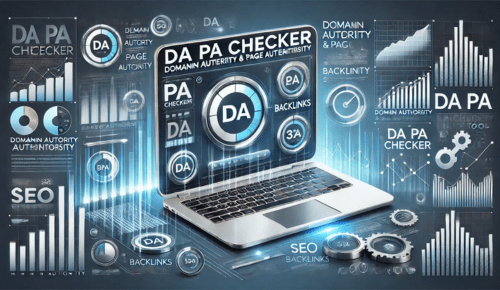
    A DA PA checker is a tool designed to measure the Domain Authority (DA) and Page Authority (PA) of a website or webpage. Developed by Moz, DA and PA are scores that predict how well a website or page will rank on search engine result pages (SERPs). DA is scored on a scale from 1 to 100, with higher numbers indicating a stronger authority and better chances of ranking higher. Similarly, PA evaluates the strength of individual pages.

    A trustworthy da and pa checker helps you quickly assess these metrics, providing insights that can influence your SEO strategies, link-building efforts, and overall digital marketing campaigns.

    Why is DA and PA Checker Important?

    The importance of a DA and PA checker cannot be overstated for anyone serious about improving their online presence. Here’s why:

    1. Evaluate Website Strength

    A DA PA checker helps you understand the overall strength of your domain. This is useful when assessing your own website or when considering potential partners for guest posting, backlinking, or collaboration.

    2. Identify Link-Building Opportunities

    Backlinks remain one of the most critical factors in SEO. Using a DA and PA checker, you can identify websites with high authority to target for your link-building campaigns, ensuring you get the most SEO value from your efforts.

    3. Competitive Analysis

    Knowing where your competitors stand in terms of domain and page authority gives you an edge. A good DA PA checker helps you perform competitor analysis, uncovering gaps and opportunities in your SEO strategy.

    4. Track Progress Over Time

    SEO is a long-term game. By regularly using a DA and PA checker, you can track how your domain authority and page authority scores evolve over time, helping you measure the effectiveness of your SEO campaigns.

    Features of a Good DA PA Checker

    When selecting a DA PA checker, look for these key features:

    • Bulk Checking: Check multiple URLs at once to save time.
    • Accurate Metrics: Ensure the tool provides up-to-date and precise DA and PA scores.
    • User-Friendly Interface: An easy-to-use platform improves efficiency.
    • Additional SEO Insights: Some tools offer extra data like backlink counts, spam scores, and more.

    How to Use a DA and PA Checker Effectively

    Using a DA and PA checker is simple, but knowing how to interpret and act on the data is crucial.

    1. Enter Your URL: Start by inputting your website or a competitor’s URL into the DA PA checker.
    2. Analyze the Scores: Review both DA and PA scores. A higher DA score means the domain has more authority, while a high PA score suggests that specific page performs well.
    3. Plan Your SEO Strategy: Use this information to improve content quality, target stronger backlinks, and optimize internal linking.

    Free vs. Paid DA PA Checker

    There are both free and premium versions of DA PA checker tools available. Free tools are perfect for occasional checks, while premium tools offer more in-depth reports, bulk URL analysis, and additional SEO metrics. Depending on your needs and budget, you can choose a tool that suits your goals.

    Conclusion

    In the ever-evolving SEO landscape, having access to a robust DA PA checker or DA and PA checker can make a significant difference in your website’s search engine performance. These tools not only help you gauge your site’s authority but also assist in planning effective SEO campaigns that lead to better rankings and more organic traffic.

    If you’re serious about enhancing your SEO efforts, start incorporating a reliable DA PA checker into your workflow today. It’s a small step that can yield massive results over time.

  • Can Effective Communication Simplify Complex CMMC Level 2 Requirements?

    Can Effective Communication Simplify Complex CMMC Level 2 Requirements?

    How can organizations make sense of the complicated web of CMMC level 2 requirements without getting lost in compliance jargon? Clear and effective communication is often the missing link between understanding security protocols and successfully implementing them. When businesses prioritize communication, they can eliminate confusion, improve efficiency, and stay prepared for audits.

    Standardized Terminology Eliminates Confusion in Policy Implementation

    One of the biggest obstacles to meeting CMMC compliance requirements is the inconsistency in how security policies are explained and understood. Without standardized language, employees, IT teams, and leadership may interpret the same requirement in different ways, leading to gaps in implementation. Establishing a shared vocabulary for cybersecurity measures ensures that everyone involved in securing controlled unclassified information (CUI) understands their role.

    When organizations develop clear definitions for security controls and procedural steps, employees can follow instructions with greater confidence. Instead of vague or overly technical explanations, businesses that simplify their terminology find that compliance efforts become more effective. Teams responsible for meeting CMMC level 2 requirements can communicate clearly, reducing misinterpretations and avoiding costly mistakes that could jeopardize compliance.

    Regular Compliance Check-Ins Keep Everyone Aligned on Evolving Requirements

    CMMC requirements are not static—they evolve to address emerging threats and regulatory updates. Without regular discussions about compliance expectations, businesses can easily fall behind, creating security vulnerabilities. Scheduled check-ins allow teams to assess their progress, clarify questions, and adjust strategies before small issues escalate into compliance failures.

    By holding consistent compliance meetings, organizations ensure that every department remains aligned with current CMMC compliance requirements. These discussions provide a platform for IT personnel, leadership, and employees to share insights and address potential roadblocks. Teams that prioritize open conversations about security measures can adapt more quickly, reducing the risk of noncompliance and strengthening overall cybersecurity.

    Proactive Documentation Practices Streamline Responses to Auditors

    Many businesses scramble to gather necessary documents when a CMMC assessment is approaching, leading to unnecessary stress and last-minute errors. Effective communication ensures that documentation practices become a routine process rather than an afterthought. When teams proactively document security policies, incident responses, and system configurations, they are always prepared for an audit.

    Clear instructions on what needs to be recorded—and how it should be stored—prevent missing or incomplete reports. Organizations that maintain detailed, well-organized records can quickly provide auditors with the required evidence of compliance. Instead of wasting time searching for missing documents, businesses that integrate strong documentation practices into their daily operations can confidently demonstrate their adherence to CMMC level 2 requirements.

    Transparent Vendor Communication Ensures Third-Party Compliance Alignment

    Compliance isn’t just about internal processes—it also depends on third-party vendors that handle sensitive data. A company may meet all CMMC level 2 requirements internally, but if its vendors fail to uphold the same standards, security risks increase. Transparent communication with vendors ensures they fully understand the compliance expectations required to maintain a secure supply chain.

    By setting clear compliance expectations from the start, businesses can avoid misunderstandings and potential security breaches. Regularly checking in with vendors about their cybersecurity measures helps verify that they remain aligned with CMMC requirements. Companies that establish open lines of communication with their external partners reduce the risk of compliance gaps and create a more resilient security framework.

    Simplified Reporting Reduces Errors That Could Trigger Audit Failures

    Organizations often struggle with reporting requirements due to overly complex documentation and unclear guidelines. Without a straightforward way to report cybersecurity controls, mistakes can slip through the cracks, leading to failed audits. Simplifying reporting procedures through clear communication reduces errors and ensures that necessary details are accurately captured.

    Employees responsible for compiling reports should receive clear instructions on what data needs to be included and how it should be presented. When reporting processes are streamlined, businesses avoid unnecessary rework and prevent inconsistencies that might raise red flags during a CMMC assessment. A well-structured reporting system makes it easier for auditors to verify compliance while reducing the burden on internal teams.

    Clear Internal Policies Turn Compliance Jargon into Actionable Steps

    CMMC level 2 requirements can feel overwhelming when presented as a long list of technical controls and security protocols. However, when compliance policies are translated into actionable steps, employees can more easily integrate them into daily operations. Communicating policies in a way that makes them understandable to non-technical staff is essential for successful implementation.

    Rather than relying on dense cybersecurity jargon, organizations should focus on breaking down compliance requirements into practical steps. When employees understand how their actions contribute to securing data, they are more likely to follow security protocols correctly. Businesses that communicate compliance expectations in a way that is easy to grasp create a stronger culture of security, ensuring that every team member plays a role in protecting sensitive information.

  • Commercial Ventilation: Ensuring Air Quality and Health Compliance

    Commercial Ventilation: Ensuring Air Quality and Health Compliance

    The Importance of Proper Ventilation Systems in Commercial Settings

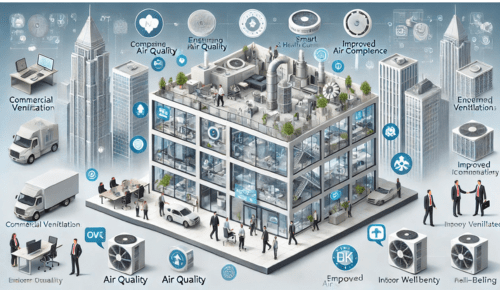
    Proper ventilation systems are crucial in commercial settings to maintain a healthy and productive indoor environment. Effective ventilation helps to remove pollutants, odors, and excess moisture from the air, creating a comfortable space for employees and customers. Moreover, a well-designed ventilation system can help regulate temperatures and minimize the spread of airborne contaminants, contributing to a safer and more pleasant workspace.In addition to enhancing indoor air quality, proper ventilation systems in commercial spaces can also play a significant role in energy efficiency. By effectively circulating air and optimizing airflow, businesses can reduce the need for excessive heating and cooling, leading to potential cost savings on energy bills. Investing in high-quality ventilation equipment not only benefits the health and comfort of occupants but also contributes to sustainable practices and overall operational efficiency in commercial buildings.

    Commercial Ventilation systems are essential for maintaining a healthy and productive indoor environment in commercial settings. They help remove pollutants, regulate temperatures, and enhance energy efficiency, contributing to a safer, more pleasant workspace that benefits both occupants and the business.

    Common Health Risks Associated with Poor Indoor Air Quality

    Exposure to poor indoor air quality in commercial settings can lead to a range of health risks for occupants. Respiratory issues such as coughing, wheezing, and exacerbation of asthma symptoms are commonly reported among individuals exposed to pollutants like mold spores, dust mites, and volatile organic compounds. Additionally, poor air quality has been linked to headaches, fatigue, and allergies, affecting the overall well-being and productivity of employees.Furthermore, long-term exposure to pollutants in indoor air can have more serious health implications, including the development of chronic respiratory conditions and cardiovascular diseases. Studies have shown that poor ventilation systems can contribute to the buildup of harmful gases like carbon monoxide and radon, posing significant health risks to individuals working in poorly ventilated commercial spaces. Prioritizing proper ventilation and air quality management is essential to create a healthy and productive environment for building occupants.

    Regulations and Guidelines for Commercial Ventilation Systems

    When it comes to regulations and guidelines for commercial ventilation systems, businesses must adhere to specific standards set forth by relevant authorities to ensure the health and safety of occupants. These regulations often detail requirements for ventilation rates, air exchange frequency, filtration systems, and maintenance schedules. By following these guidelines, companies can create a healthier indoor environment, enhance employee well-being, and improve overall productivity within the workplace.Moreover, staying compliant with ventilation regulations not only fosters a better indoor air quality but also reduces the risk of potential health issues associated with poor ventilation. Regulations serve as a framework to guarantee that commercial spaces provide adequate ventilation to meet the needs of occupants and ensure a comfortable working environment. By incorporating these guidelines into the design and maintenance of ventilation systems, businesses can create a space that prioritizes the well-being of employees and visitors alike.

    Key Components of an Effective Commercial Ventilation System

    Commercial ventilation systems are composed of several key components that work together to maintain indoor air quality and regulate airflow within a building. One essential component is the air intake system, responsible for bringing fresh outdoor air into the space. This ensures a continuous supply of clean air while preventing stagnant air accumulation that can lead to poor indoor air quality.Another critical component is the ductwork, which distributes the fresh air throughout the building and removes stale air. Properly designed and installed ductwork helps maintain consistent airflow levels and prevents the buildup of contaminants. Additionally, high-quality filters are important for trapping airborne particles and pollutants, preventing them from circulating in the indoor environment. Regular maintenance and filter replacements are vital to ensure the system functions efficiently and effectively.

    Benefits of Investing in High-Quality Ventilation Equipment

    Investing in high-quality ventilation equipment offers numerous advantages for commercial settings. Firstly, superior ventilation systems ensure a consistent flow of fresh, clean air, which is essential for maintaining a healthy indoor environment. By effectively removing stale air and circulating fresh air, such equipment can help reduce the presence of pollutants and contaminants, ultimately enhancing the overall air quality within the space. This, in turn, can lead to improved employee well-being, productivity, and comfort levels, as well as potentially reducing the risk of respiratory issues and other health-related concerns. In addition to promoting better air quality, high-quality ventilation equipment can also contribute to energy efficiency and cost savings in the long run. Modern ventilation systems are designed to operate efficiently, consuming less energy while effectively regulating the temperature and humidity levels within a commercial space. By investing in top-notch equipment, businesses can not only create a more comfortable and healthier environment for occupants but also benefit from lower energy bills and reduced maintenance costs over time.

    Natural Home Solutions offer high-quality ventilation equipment with benefits for commercial settings. Superior systems ensure fresh air flow, reducing pollutants for better air quality. This leads to improved employee well-being, productivity, and cost savings through energy efficiency and lower maintenance costs.

    Signs that Indicate a Need for Maintenance or Upgrades in Ventilation Systems

    When airflow in a commercial space feels stagnant and musty odors persist despite regular cleaning, these could be early indicators of ventilation system issues. Additionally, if employees frequently report feeling fatigued or experience more frequent headaches, poor indoor air quality due to ventilation system problems may be the culprit. Ignoring these signs could lead to decreased productivity and potential health risks among building occupants.Another clear indication that your ventilation system requires attention is the presence of mold or moisture buildup in the building. Mold thrives in damp and poorly ventilated areas, posing serious health risks to those exposed. Furthermore, if there are noticeable temperature variations throughout the building or some areas consistently feel stuffy while others remain cold, it could point towards airflow imbalances that need to be addressed to ensure a comfortable and healthy indoor environment.

    How to Choose the Right Ventilation System for Your Commercial Space

    When selecting the appropriate ventilation system for your commercial space, it is crucial to assess the size and layout of the area that needs ventilation. Understanding the square footage and any specific ventilation requirements based on the type of business conducted in the space will guide you towards choosing a system that adequately meets your needs. Additionally, considering factors such as the number of occupants, the presence of machinery or equipment generating heat, and the frequency of airborne contaminants will help determine the capacity and efficiency of the ventilation system required.Another essential aspect to consider when choosing a ventilation system for your commercial space is the type of ventilation method that best suits your needs. Whether you opt for natural ventilation, mechanical ventilation, or a combination of both, it is important to evaluate the advantages and limitations of each option in relation to your specific space and budget. Natural ventilation can provide energy efficiency and fresh air circulation, while mechanical ventilation systems offer precise control over airflow and filtration capabilities. By weighing these factors against your requirements, you can make an informed decision that enhances the indoor air quality and overall comfort of your commercial environment.

    Best Practices for Ensuring Air Quality and Health Compliance in Commercial Buildings

    To maintain optimal air quality and health compliance in commercial buildings, regular inspections and maintenance of ventilation systems are essential. This includes cleaning and replacing filters, checking for any blockages in ductwork, and ensuring proper airflow throughout the space. By staying proactive with upkeep, businesses can prevent the buildup of contaminants and allergens that could impact the well-being of occupants.In addition to maintenance, installing air quality monitoring systems can provide real-time data on indoor air conditions, allowing for quick adjustments to ventilation settings as needed. By leveraging technology to track air quality metrics such as humidity levels, particulate matter, and carbon dioxide levels, businesses can ensure a healthier environment for employees and visitors alike. Monitoring systems offer valuable insights that enable proactive responses to potential air quality issues, ultimately contributing to a safer and more comfortable workspace.

    The Role of Ventilation in Preventing the Spread of Airborne Diseases

    In commercial settings, proper ventilation plays a crucial role in preventing the spread of airborne diseases. Adequate ventilation helps to dilute and remove airborne contaminants, including viruses and bacteria, reducing the risk of transmission among individuals within the space. By ensuring a constant supply of fresh air and proper airflow, ventilation systems can help maintain a healthier indoor environment, promoting the well-being of employees and customers alike.Moreover, effective ventilation systems can aid in controlling humidity levels, which are vital in hindering the survival and spread of certain pathogens. By regulating moisture levels in the air, ventilation systems can help create an environment that is less conducive to the growth and proliferation of bacteria and viruses. This not only contributes to preventing the spread of airborne diseases but also helps in maintaining overall indoor air quality, creating a safer and more comfortable environment for occupants.

    Case Studies Highlighting the Impact of Proper Ventilation on Employee Health and Productivity

    Natural Home Solutions, a company renowned for its expertise in skylight and ventilation installations, recently conducted a study to assess the impact of proper ventilation on employee health and productivity. In one case, a commercial office that had recently upgraded its ventilation system reported a significant reduction in employee complaints related to stuffiness, odors, and headaches. Employees noted feeling more alert and focused, leading to a noticeable increase in productivity levels.Another case involved a manufacturing facility that invested in high-quality ventilation equipment, resulting in improved indoor air quality and a decrease in employee absenteeism due to respiratory issues. The company observed a boost in employee morale and overall satisfaction, with workers expressing appreciation for the cleaner and fresher air circulating throughout the workspace. These real-world examples underscore the tangible benefits of prioritizing proper ventilation in commercial settings, not only in enhancing employee well-being but also in optimizing productivity levels.

  • What Are the Unique Properties of Mica Band Heaters in Industrial Settings

    What Are the Unique Properties of Mica Band Heaters in Industrial Settings

    When it comes to industrial heating solutions, efficiency and durability are top priorities. Mica band heaters stand out because of their ability to provide consistent, high-performance heating in demanding environments. Their unique properties make them the go-to choice for industries that rely on precise temperature control.

    Why Do Mica Band Heaters Outperform Other Heaters in Rapid Heat Transfer

    Mica band heaters are engineered for fast and efficient heat transfer, making them ideal for applications where temperature consistency is essential. The secret lies in their thin, lightweight design, which allows heat to move quickly from the resistance wire to the surface being heated. This means less time waiting for equipment to reach the necessary temperature, improving productivity and reducing energy consumption.

    Unlike other heating elements that take longer to distribute heat evenly, mica band heaters provide almost instant thermal response. Their construction allows heat to spread uniformly across cylindrical surfaces, eliminating cold spots that can lead to inconsistencies in industrial processes. This rapid heating capability makes mica band heaters perfect for injection molding machines, extruders, and other equipment that requires precise thermal management.

    Exceptional Durability That Keeps Mica Band Heaters Running Longer

    Industrial environments are tough on equipment, and heating elements need to withstand intense conditions without frequent replacements. Mica band heaters are built with durability in mind, featuring a rugged design that resists wear and tear even under constant use. Their stainless steel or corrosion-resistant outer casing protects the internal heating elements, ensuring longevity and reliability.

    In high-temperature applications, many heating solutions degrade quickly due to thermal expansion and contraction. Mica band heaters, however, maintain their structural integrity even with repeated heating cycles. This means fewer breakdowns, reduced downtime, and lower maintenance costs. For industries that depend on continuous operation, the durability of mica band heaters translates into long-term savings and increased efficiency.

    How Does Mica’s High Thermal Stability Benefit Industrial Processes

    Mica is naturally resistant to extreme temperatures, making it an excellent insulator for industrial heating applications. This high thermal stability ensures that mica band heaters maintain consistent performance even in demanding conditions. They can operate at high temperatures without degradation, providing a reliable heat source for sensitive processes.

    In industries like plastics, packaging, and food production, temperature control is vital to maintaining product quality. Mica band heaters prevent overheating and temperature fluctuations, ensuring materials are processed at optimal conditions. This stability not only improves efficiency but also minimizes the risk of defects in manufactured products, making mica band heaters a trusted solution for industries requiring precision heating.

    Compact Design Flexibility Makes Mica Band Heaters Easy to Integrate—Why Does This Matter

    Space constraints are a common challenge in industrial settings, and bulky heating elements can interfere with equipment functionality. Mica band heaters are designed to be compact and lightweight, allowing them to fit seamlessly onto cylindrical surfaces without adding unnecessary bulk. Their slim profile ensures they deliver powerful heating without occupying valuable space.

    The flexibility of mica band heaters also allows for custom sizing and shapes to match specific applications. Whether installed on injection molding barrels, extrusion machines, or drum heaters, their adaptable design makes them easy to integrate into various industrial systems. This flexibility simplifies installation and enhances performance, providing businesses with a heating solution that fits their exact needs.

    Minimal Heat Loss Means Maximum Efficiency—How Do Mica Band Heaters Achieve This

    Energy efficiency is a major concern in industrial heating applications, and mica band heaters excel at minimizing heat loss. Their construction includes a mica insulation layer that directs heat exactly where it’s needed, reducing wasted energy. This targeted heating approach ensures more efficient operation, leading to lower power consumption and cost savings.

    Traditional heating elements often lose heat through inefficient distribution, requiring more energy to maintain the desired temperature. Mica band heaters, on the other hand, trap and transfer heat effectively, preventing unnecessary dissipation. This efficiency makes them an ideal choice for businesses looking to optimize heating performance while reducing operational expenses.

    Resistance to Moisture and Chemical Damage—Why Industries Rely on Mica Heaters

    Industrial environments often expose heating elements to moisture, chemicals, and contaminants that can cause damage over time. Mica band heaters are designed to resist these harsh conditions, ensuring they continue functioning even in demanding settings. Their protective outer casing shields the internal components from corrosion, extending their lifespan.

    Industries dealing with high humidity or exposure to corrosive substances—such as food processing, pharmaceuticals, and plastic manufacturing—benefit from mica band heaters’ resilience. Unlike other heating elements that degrade when exposed to harsh conditions, mica band heaters maintain their efficiency and structural integrity. This makes them a reliable choice for facilities that require long-lasting, low-maintenance heating solutions.

  • Understanding Life Insurance Plans: A Guide to Securing Your Future

    Understanding Life Insurance Plans: A Guide to Securing Your Future

    Life insurance is one of the most important financial tools you can have in your life planning. It provides peace of mind, knowing that your loved ones will be financially secure in the event of your death. But with so many different types of life insurance plans available, it can be overwhelming to know where to start. In this blog, we’ll break down the different types of life insurance plans, their benefits, and how to choose the right one for you and your family.

    What is Life Insurance?

    Life insurance is a contract between an individual and an insurance company where, in exchange for regular premium payments, the insurer agrees to pay a designated beneficiary a lump sum upon the policyholder’s death. This payment, known as the death benefit, can help cover expenses such as funeral costs, outstanding debts, and living expenses for surviving family members. Life insurance is an essential tool for protecting your loved ones’ financial future.

    Types of Life Insurance Plans

    There are various types of life insurance plans to suit different needs, preferences, and financial situations. Here are the main categories:

    1. Term Life Insurance

    Term life insurance is the most straightforward and affordable option. It provides coverage for a specific period, typically 10, 20, or 30 years. If the policyholder passes away within the term, their beneficiaries receive the death benefit. If the term expires and the policyholder is still alive, there is no payout, and the coverage ends.

    Key Benefits:

    • Lower premiums compared to other types of life insurance
    • Simple and easy to understand
    • Ideal for temporary needs, like covering the duration of a mortgage or raising children

    Ideal For:

    • Families with young children or dependents
    • Individuals who need coverage for a specific period of time

    2. Whole Life Insurance

    Whole life insurance is a type of permanent life insurance that provides lifelong coverage, as long as premiums are paid. In addition to the death benefit, whole life policies also accumulate a cash value over time, which can be borrowed against or withdrawn.

    Key Benefits:

    • Lifetime coverage
    • Cash value accumulation that grows over time
    • Premiums remain fixed throughout the policyholder’s life

    Ideal For:

    • Individuals seeking lifelong coverage and who want to build cash value
    • People with long-term financial planning goals, such as leaving an inheritance

    3. Universal Life Insurance

    Universal life insurance is a flexible permanent life insurance option that offers both a death benefit and a savings component. It allows policyholders to adjust their premiums and death benefit amounts, depending on their changing needs. The policy also accumulates cash value, which earns interest based on market performance.

    Key Benefits:

    • Flexible premiums and death benefits
    • Cash value growth with potential to earn interest
    • Lifelong coverage with options to modify as life circumstances change

    Ideal For:

    • Those looking for flexibility in premiums and coverage
    • People who want to combine life insurance with long-term savings

    4. Variable Life Insurance

    Variable life insurance is another form of permanent life insurance that offers a death benefit along with an investment component. The cash value of a variable life policy is invested in a variety of separate accounts, such as stocks and bonds. The policyholder can choose how the cash value is invested, and the returns are based on market performance.

    Key Benefits:

    • Potential for higher returns due to market investment
    • Flexibility in choosing how cash value is invested
    • Lifetime coverage with potential to increase the death benefit

    Ideal For:

    • Individuals who are comfortable with investment risks and want to grow their policy’s cash value
    • Those seeking more control over their policy’s investments

    5. Final Expense Insurance

    Final expense insurance, also known as burial insurance, is a type of life insurance designed to cover end-of-life expenses, such as funeral costs, medical bills, and other related expenses. It is typically a smaller policy, with coverage amounts ranging from $5,000 to $25,000.

    Key Benefits:

    • Simplified application process
    • No medical exams required for most policies
    • Affordable premiums for seniors and individuals looking for minimal coverage

    Ideal For:

    • Seniors who want to ensure that their funeral and burial costs are covered
    • Those seeking a simple and affordable life insurance option for end-of-life expenses

    How to Choose the Right Life Insurance Plan

    When choosing a life insurance plan, it’s essential to evaluate your needs, budget, and long-term goals. Here are a few factors to consider when making your decision:

    1. Your Financial Goals

    Are you looking to provide for your family’s living expenses, pay off debts, or leave a legacy? Understanding your financial goals will help you choose a plan that suits your needs. For example, term life insurance is a good choice if you need coverage for a specific time period, while whole life insurance may be better if you want lifelong coverage and cash value accumulation.

    2. Your Budget

    Premiums for life insurance vary depending on the type of policy, coverage amount, and your age and health. Term life insurance generally has lower premiums than permanent life insurance, so it’s important to assess your budget and choose a plan that fits within your financial means.

    3. Your Family’s Needs

    Consider the financial needs of your family members. If you have dependents, it’s crucial to provide enough coverage to replace your income and cover future expenses. Additionally, if you plan to leave behind an inheritance or cover final expenses, a whole life or final expense policy may be ideal.

    4. Your Health and Age

    Life insurance premiums are affected by your age and health. Younger, healthier individuals tend to pay lower premiums, so it’s often more affordable to purchase life insurance early in life. If you have pre-existing health conditions, some policies may be more expensive, or you may need to undergo a medical exam to qualify for coverage.

    Conclusion

    Life insurance plans are an essential part of securing your financial future and protecting your loved ones from the unexpected. Whether you choose term life insurance for affordable, short-term coverage or whole life insurance for lifelong protection and cash value growth, the right policy can provide financial peace of mind. Take the time to evaluate your needs, goals, and budget to find the perfect life insurance plan for you and your family.

    If you haven’t already secured a life insurance plan, now is the time to explore your options. Speak with a trusted insurance agent to get personalized advice and start planning for your future today.

  • IT Support Companies vs. In-House IT Which One Actually Saves More Money

    IT Support Companies vs. In-House IT Which One Actually Saves More Money

    Hiring an IT team is a big decision for any business, and the costs involved go beyond just salaries. Some companies assume keeping everything in-house is cheaper, but outsourcing IT services can often provide better financial benefits. The real savings come down to efficiency, expertise, and the hidden expenses many businesses overlook.

    Strategic Cost Advantages of Outsourced IT vs. Traditional In-House Teams

    An in-house IT department requires full-time salaries, benefits, and office space, which can quickly add up. Outsourcing IT services near me allows businesses to pay only for the support they need, reducing overhead while still receiving top-tier expertise. Many IT support companies operate on flexible pricing models, meaning businesses can scale services up or down as needed, keeping costs predictable.

    Beyond salaries, in-house teams require ongoing training, software licenses, and expensive equipment. IT support companies spread these costs across multiple clients, giving businesses access to cutting-edge technology without a hefty price tag. The financial advantage of outsourcing becomes even clearer when factoring in the time saved on problem resolution—external providers have larger teams, ensuring quick responses without paying for unnecessary full-time staff.

    Hidden Payroll Costs of In-House IT Teams You Didn’t See Coming

    A full-time IT employee’s salary is just the beginning. Businesses also cover benefits like healthcare, retirement plans, and paid time off, which significantly increase overall costs. Even a small team of IT professionals can cost a company hundreds of thousands per year when factoring in these additional expenses.

    Then there’s the cost of hiring, onboarding, and retaining talent. The IT industry is highly competitive, and skilled professionals expect salary increases and career development opportunities. If an employee leaves, replacing them takes time and money—recruitment fees, training, and lost productivity all add up. IT support companies eliminate these concerns by offering consistent service without the financial burden of employee turnover.

    Specialized Skill Access That In-House Teams Rarely Provide

    Technology evolves fast, and keeping an internal IT team trained on every new development is both costly and unrealistic. IT support companies bring in specialists with expertise across multiple industries, ensuring businesses receive the latest solutions without having to hire a team of niche experts.

    An in-house team might handle everyday IT tasks well, but what happens when a cybersecurity threat arises or a server migration is required? Businesses either scramble to train existing staff or hire outside help, which can be expensive. By working with IT services near me, companies gain access to a wide range of experts who are always up to date on the latest advancements.

    Comparing Downtime Expenses Between In-House IT vs. External Providers

    When systems go down, businesses lose money. Downtime disrupts operations, frustrates customers, and reduces overall productivity. IT support companies minimize downtime by offering 24/7 monitoring, rapid response times, and proactive maintenance—something an in-house team may struggle to provide without significant staffing.

    An in-house IT team might be stretched thin, handling multiple responsibilities with limited manpower. If an issue arises outside regular work hours, businesses are left waiting until the next business day. IT support companies provide round-the-clock assistance, ensuring that critical issues are resolved immediately, preventing financial losses from extended outages.

    Budget Flexibility Gained from Choosing Managed IT Support

    An in-house IT department comes with fixed costs, whether the business needs full-time support or not. Salaries, benefits, and infrastructure must be covered regardless of workload. IT support companies, on the other hand, offer scalable solutions that adapt to a company’s changing needs, providing greater financial flexibility.

    Businesses can choose service packages that match their budget, paying for only what they need. Whether it’s routine maintenance, emergency support, or full-scale IT management, IT services near me offer customized plans that help businesses control expenses. This flexibility ensures that IT costs remain manageable, freeing up funds for other areas of business growth.

    Unexpected Security Risks with In-House IT Management

    Cybersecurity threats are constantly evolving, and businesses that rely on in-house IT teams may not have the resources to keep up with the latest security measures. IT support companies specialize in protecting businesses from cyber threats, implementing advanced security protocols that in-house teams may lack the expertise to manage.

    An internal IT department may be well-versed in day-to-day operations but often lacks the broader security experience needed to handle sophisticated attacks. Outsourced IT services near me provide businesses with advanced threat monitoring, data protection strategies, and compliance support, reducing the risk of costly security breaches. For businesses that handle sensitive data, outsourcing IT security is often the smartest financial decision.

  • Is Epoxy Floor Coating in Huntsville Alabama Really Maintenance-Free? The Truth Revealed

    Is Epoxy Floor Coating in Huntsville Alabama Really Maintenance-Free? The Truth Revealed

    Epoxy flooring is often praised for its durability and sleek appearance, but does that mean it’s completely maintenance-free? Many homeowners and business owners assume that once the coating is applied, it requires no effort to keep it looking pristine. While epoxy floors are certainly low-maintenance, a few simple habits can make a big difference in preserving their shine and longevity.

    Small Cleaning Habits That Keep Your Epoxy Floor Looking Brand-New

    Epoxy flooring is resistant to stains, spills, and dirt, but that doesn’t mean it stays spotless without any effort. Simple daily or weekly cleaning habits can prevent dust buildup, which can dull the floor’s shine over time. A soft dust mop or microfiber pad is one of the easiest ways to keep an epoxy garage floor in Huntsville Alabama looking fresh without causing scratches or damage.

    For deeper cleaning, a mild pH-neutral cleaner mixed with warm water can lift stubborn dirt while preserving the coating’s integrity. Harsh chemicals or abrasive scrubbers should be avoided, as they can wear down the glossy finish. While epoxy floor coating in Huntsville Alabama doesn’t require intensive maintenance, a quick five-minute routine can keep it looking as polished as the day it was installed.

    Invisible Scratches and How to Prevent Them on Epoxy Floors

    Epoxy flooring may be tough, but small scratches can still develop over time, often in ways that go unnoticed until the floor starts to lose its luster. These tiny abrasions are usually caused by dragged furniture, heavy tools, or even dirt and debris getting ground into the surface underfoot. The good news is that preventing these marks is easier than most people realize.

    Using felt pads under furniture legs, lifting rather than dragging objects, and placing walk-off mats at entry points can go a long way in reducing surface wear. Even something as simple as removing small rocks and grit from shoes before walking on an epoxy garage floor in Huntsville Alabama can prevent unnecessary scratches. By being mindful of how the floor is used, owners can preserve its sleek finish for years.

    Quick Fixes for Minor Epoxy Flooring Damage Most Owners Miss

    Even with the best care, minor damage to an epoxy floor can happen. A dropped tool, a heavy impact, or a chemical spill might leave behind a scuff or a small chip. The key is addressing these imperfections before they spread or worsen. Many homeowners don’t realize that minor touch-ups can restore the surface without requiring a full recoat.

    For light scratches or scuffs, a little bit of clear epoxy or a polishing compound can smooth out the affected area. If a deeper chip occurs, a small patch of the same epoxy floor coating in Huntsville Alabama can be applied to fill in the damaged section seamlessly. Many small issues can be fixed with DIY solutions, but catching them early makes the difference between a quick fix and a larger repair job.

    Simple Daily Routines to Extend the Life of Your Epoxy Coating

    The secret to maintaining an epoxy floor isn’t a complicated cleaning schedule—it’s about consistency. Daily habits, even small ones, can extend the lifespan of the coating. Sweeping or dust mopping to remove dirt, wiping up spills quickly, and keeping the floor free of standing water all contribute to keeping the surface intact for years.

    For those with an epoxy garage floor in Huntsville Alabama, avoiding excessive moisture and keeping chemicals properly stored can also make a difference. While the coating is resistant to most stains and impacts, prolonged exposure to harsh substances can weaken the finish over time. A little bit of routine care keeps the floor in top condition without adding extra work.

    Realistic Expectations About the Lifespan of Epoxy Floor Coatings

    Epoxy flooring is durable, but it won’t last forever. Many believe that once applied, it will maintain its pristine condition indefinitely, but like any flooring, it will eventually show signs of wear. The average lifespan of an epoxy garage floor in Huntsville Alabama ranges from 10 to 20 years, depending on usage and upkeep.

    High-traffic areas or garages with heavy machinery may see wear and tear faster than a residential space with light foot traffic. While the coating itself is incredibly strong, factors like temperature fluctuations, exposure to harsh chemicals, and mechanical stress all play a role in how long it holds up. Proper maintenance can maximize its lifespan, but knowing when a refresh or recoat is needed prevents surprises down the road.

    Little-Known Factors That Determine the Durability of Your Epoxy Flooring

    Not all epoxy flooring is created equal, and several factors influence how well it holds up over time. The quality of the materials, the preparation of the surface before application, and even the type of epoxy used all determine the coating’s durability. Many homeowners assume all epoxy floor coatings in Huntsville Alabama perform the same, but a poorly prepared floor or a low-quality epoxy mix can lead to peeling or premature wear.

    Environmental factors also play a role. Direct sunlight, extreme humidity, or exposure to road salts in garages can degrade certain epoxy finishes more quickly. Choosing a high-quality epoxy and ensuring proper installation are just as important as maintenance in determining how long the coating will last. With the right approach, epoxy flooring can provide years of protection and style with minimal effort.

  • 2025’s Best B2B Lead Generation Services in the USA

    2025’s Best B2B Lead Generation Services in the USA

    Finding the right business clients is key to growing your company. B2B lead generation services in the USA help connect you with businesses that need what you sell. These services save time and increase sales by focusing on quality leads instead of random contacts. The best lead providers use smart methods to find businesses ready to buy. This guide shows how top companies find good business leads in 2025.

    How Top Companies Find Quality Business Leads in 2025

    Finding the right business clients takes skill and planning. Companies need good business leads to grow sales. The best lead generation companies help businesses connect with potential clients who need their products.

    Let’s look at what makes the top B2B lead providers stand out in 2025 and how they help companies succeed.

    What Makes Quality B2B Lead Services Different

    Quality business lead generation focuses on finding contacts that match what a company sells. The best services don’t just give you random names. They find businesses that might buy from you.

    Good lead generation firms look at:

    • What industry does the lead work in
    • The size of their company
    • Their role in making buying choices
    • If they have money to spend now

    When these factors line up, sales teams waste less time on calls that go nowhere.

    Top Methods Used by B2B Lead Generation Services in USA


    Data-Based Marketing

    Smart B2B lead companies use data to find the right clients. They track what businesses search for online and which websites they visit. This helps them spot companies that need certain products.

    Data shows which businesses are ready to buy and which need more time. This lets sales teams focus on the best chances first.

    Content That Helps Solve Problems

    Creating helpful content is a key way business lead services attract potential clients. When a business posts useful guides or videos, other companies see them as experts.

    Good content:

    • Answers common questions in your field
    • Shows how to fix business problems
    • Explains complex ideas simply

    When businesses find helpful content, they often want to learn more about who made it.

    Social Media Networking

    Business social networks like LinkedIn help lead-generation experts find decision-makers. The best services know how to start talks with the right people without being pushy.

    They join industry groups and share useful ideas. This builds trust before they ever mention selling something.

    Email Campaigns That Work

    Email still works well for B2B lead generation when done right. The best services write emails that:

    • Speak directly to specific business needs
    • Offer clear value
    • Ask for small next steps

    They test different subject lines and messages to see what gets the most replies.

    How AI Improves Lead Finding in 2025

    New computer tools help business lead providers work smarter. These tools can:

    • Sort through thousands of companies to find the best matches
    • Predict which leads might buy soon
    • Write personalized messages at scale
    • Track when leads visit your website

    The best services use these tools while still keeping the human touch in their work.

    Picking the Right Lead Service for Your Business

    Not all B2B lead generation services in the USA work the same way. Here’s how to choose one that fits your needs:

    1. Look at their track record in your specific industry
    2. Ask about their methods for finding leads
    3. Check if they focus on lead quality or just quantity
    4. Find out how they measure success
    5. Ask about their pricing model

    The right service should fit your budget and sales goals. They should also explain clearly how they work.

    Starting Prices for Quality Lead Services

    Business lead generation prices vary based on:

    • How many leads do you need
    • How specific is your target market is
    • What level of service do you want

    Most quality services start around $2,000-$5,000 monthly for small to mid-sized companies. Higher prices often mean more personalized service and better-qualified leads.

    Cheaper isn’t always better. Low-cost services might give you lists of names that aren’t interested in buying.

    Results You Should Expect

    Good B2B lead providers should deliver:

    • Leads that match your ideal customer profile
    • Detailed information about each lead
    • Regular reports on campaign progress
    • Steady improvement in lead quality over time

    Most companies see results within 2-3 months when working with quality services.

    Final Thoughts

    Finding the right B2B Lead Generation Services in the USA makes a big difference in business growth. The best services save your sales team time and help them close more deals.

    Look for services that understand your specific market and have a clear process. Ask for case studies from similar companies. The right partner will help your business reach new clients efficiently. Remember that lead generation is just the first step. Your team still needs to follow up well and provide great service to turn leads into lasting customers.

    Frequently Asked Questions


    What exactly are B2B lead generation services?

    B2B lead generation services help businesses find other companies that might buy their products or services. They use various methods to identify potential clients and gather their contact information and needs.

    How much do quality B2B lead providers typically charge?

    Most professional B2B lead generation services charge between $2,000-$5,000 per month for small to mid-sized businesses. Costs vary based on your target market, number of leads needed, and the complexity of your sales process.

    How long does it take to see results from business lead generation?

    Most companies start seeing quality leads within the first month. However, it typically takes 2-3 months to fully optimize campaigns and see consistent results from B2B lead services.

    Should I choose industry-specific lead generation firms?

    Yes, working with lead generation companies that specialize in your industry often brings better results. They understand your market, know the right decision-makers, and can speak your industry’s language.

    What information should good business lead services provide about each lead?

    Quality B2B lead providers should give you the contact’s name, title, company, email, phone number, company size, and specific interests or needs. The best services also include notes about recent interactions and their level of interest.

  • 6 Things Your Foot and Ankle Specialist Wishes You Knew Before Buying Shoes

    6 Things Your Foot and Ankle Specialist Wishes You Knew Before Buying Shoes

    Most people grab a pair of shoes based on style or size, without thinking about how they actually fit their feet. But a shoe that looks good doesn’t always support healthy movement. A foot and ankle specialist often sees the damage caused by poor shoe choices—issues that could have been avoided with a little knowledge before buying.

    Shoe Sizes Are Not Universal and Brands Fit Differently

    Buying shoes based solely on size is one of the most common mistakes people make. A size 9 in one brand may feel completely different from a size 9 in another. Shoe manufacturers use different sizing charts, materials, and design structures, leading to variations in width, arch placement, and overall fit. Relying only on a number means risking shoes that pinch, rub, or leave too much room for foot movement, which can cause blisters or instability.

    A foot and ankle specialist near me would likely recommend measuring both feet every time new shoes are purchased. Feet change over time due to age, weight fluctuations, and even daily activity. Trying on shoes at the end of the day, when feet are slightly swollen, ensures a more accurate fit. Instead of assuming a size will work across all brands, focusing on comfort and support is key to preventing long-term foot issues.

    Narrow Toe Boxes Can Lead to Painful Foot Conditions Over Time

    Shoes with narrow toe boxes might seem stylish, but they can cause serious foot problems over time. When toes are squeezed together for hours each day, it can lead to conditions like bunions, hammertoes, and nerve pain. Many people don’t realize they are wearing shoes that are too tight until they start experiencing discomfort.

    foot and ankle specialist often advises patients to look for shoes that allow the toes to spread naturally. A wider toe box doesn’t mean the shoe is bulky—it just means there’s enough space to avoid unnecessary pressure. Shoes that restrict toe movement can alter foot mechanics, affecting posture and even leading to issues like knee pain. Choosing a shoe that supports natural foot alignment can prevent long-term damage and discomfort.

    Heel Height Affects Ankle Stability and Can Increase Injury Risk

    The height of a shoe’s heel directly impacts balance and ankle support. High heels, even those with a sturdy design, shift weight forward, increasing strain on the toes and the balls of the feet. This imbalance forces the ankles and lower legs to work harder to maintain stability, leading to an increased risk of sprains and chronic foot pain.

    Even athletic shoes with slightly elevated heels can affect foot mechanics. A foot and ankle specialist near me might suggest looking for shoes with a stable base and minimal heel elevation to encourage proper posture and gait. If a little height is necessary, platforms or block heels distribute weight more evenly, reducing pressure on the front of the foot. Prioritizing ankle support and even weight distribution is essential for preventing injuries and maintaining long-term foot health.

    Breathable Materials Help Prevent Moisture-Related Foot Problems

    Sweaty feet trapped inside non-breathable shoes create the perfect environment for bacteria and fungus to thrive. Many people don’t think about ventilation when buying shoes, but materials play a major role in foot health. Synthetic materials often trap heat and moisture, leading to conditions like athlete’s foot, fungal infections, and unpleasant odors.

    A foot and ankle specialist recommends shoes made from natural or breathable materials such as leather, mesh, or moisture-wicking fabrics. These materials allow air to circulate, keeping feet drier throughout the day. Proper ventilation not only reduces the risk of infections but also improves overall comfort. Investing in shoes with breathable linings and moisture-absorbing insoles can make a significant difference in foot hygiene and health.

    The Right Sole Design Can Improve Balance and Reduce Fatigue

    The design of a shoe’s sole impacts how the foot interacts with the ground, affecting balance and overall comfort. Many everyday shoes prioritize aesthetics over functionality, leading to soles that are too thin, too rigid, or lacking proper support. This can contribute to foot fatigue, joint pain, and even back discomfort.

    A foot and ankle specialist near me would advise choosing shoes with soles that provide both cushioning and stability. Shock-absorbing soles reduce impact with each step, which is particularly beneficial for individuals who spend long hours standing or walking. A well-designed sole also enhances grip and traction, preventing slips and falls. Paying attention to sole construction helps maintain balance and reduces unnecessary strain on the feet and lower body.

    Worn-Out Shoes Can Cause More Harm Than You Realize

    Most people keep wearing their favorite shoes long after they’ve lost their structural integrity. Over time, shoes break down, losing the support and cushioning that protect the feet. Worn-out soles, compressed insoles, and stretched-out materials can lead to foot pain, improper gait, and increased injury risk.

    A foot and ankle specialist recommends replacing shoes based on wear rather than just appearance. Running shoes, for example, should be replaced every 300-500 miles, while daily casual shoes may need to be swapped out every six months to a year, depending on usage. Regularly checking for uneven wear patterns, thinning soles, and loss of cushioning can help prevent foot problems before they start. Proper footwear maintenance and timely replacements ensure that every step remains supported and pain-free.

  • Protect Your Vehicle with Professional Auto Glass Repair in Alabama

    Protect Your Vehicle with Professional Auto Glass Repair in Alabama

    The Importance of Auto Glass in Vehicle Safety

    A vehicle’s windshield and windows are essential for both protection and visibility. They shield drivers and passengers from debris, harsh weather, and potential road hazards. However, even minor chips and cracks can compromise the structural integrity of auto glass. Seeking professional auto glass repair Huntsville AL services ensures that small damages do not become major safety risks. Quality repairs and replacements help maintain the strength of the vehicle’s glass, reducing the chance of further damage.

    How Windshield Damage Affects Driving Safety

    A damaged windshield can impact visibility and weaken a vehicle’s structure. Even a small crack can distort the driver’s view, especially in direct sunlight or at night. Windshield repair near me services provide timely solutions to restore clarity and prevent damage from spreading. When cracks expand, windshield replacement Huntsville AL experts ensure that vehicles remain safe on the road by installing high-quality glass that meets industry safety standards.

    Common Causes of Auto Glass Damage

    Windshield damage often results from road debris, temperature fluctuations, and unexpected accidents. Small rocks or gravel kicked up by other vehicles can create chips that gradually develop into cracks. Extreme weather conditions, such as heat and cold, can cause glass to expand and contract, leading to further stress on existing damage. Huntsville windshield repair professionals recommend addressing chips and cracks promptly to prevent them from worsening.

    When to Repair and When to Replace Auto Glass

    Minor chips and small cracks can often be repaired using advanced techniques that strengthen the glass and restore visibility. However, when damage is extensive or obstructs the driver’s line of sight, windshield replacement near me services become necessary. Huntsville auto glass repair specialists evaluate the severity of the damage and determine whether a repair or complete replacement is the best option.

    Mobile Auto Glass Services for Added Convenience

    For vehicle owners with busy schedules, mobile auto glass repair near me services offer a practical solution. Mobile technicians travel to the customer’s location, whether at home or work, to perform necessary repairs or replacements. This eliminates the need to drive with a damaged windshield, ensuring immediate attention to cracks or chips. Huntsville windshield replacement experts provide efficient mobile services, allowing drivers to receive high-quality repairs without disrupting their daily routine.

    Ensuring Proper Installation for Long-Lasting Durability

    Proper installation is critical for the longevity and effectiveness of a windshield replacement. An improperly installed windshield may not provide the necessary protection in the event of an accident. Huntsville windshield replacement specialists use high-quality adhesives and industry-approved techniques to secure the glass firmly in place. This ensures that the windshield remains stable, preventing leaks, air gaps, and potential detachment.

    Insurance Coverage for Auto Glass Repairs

    Many insurance policies cover windshield chip repair and car windshield replacement, reducing out-of-pocket expenses for vehicle owners. Some providers even waive deductibles for minor repairs, encouraging drivers to fix small cracks before they require full replacements. Huntsville auto glass repair professionals often assist customers with insurance claims, making the process seamless and stress-free.

    The Role of Windshields in Airbag Deployment

    Windshields play a crucial role in airbag functionality. During a collision, airbags rely on the windshield’s stability to provide proper resistance and cushioning. If a windshield is cracked or improperly installed, it may fail to support airbag deployment, increasing the risk of injury. Huntsville windshield repair specialists ensure that replacements meet safety standards, providing the necessary structural support for airbags to function effectively.

    Protecting Side and Rear Auto Glass

    Auto glass damage is not limited to windshields. Side and rear windows also play an important role in vehicle safety and security. Car window repair Huntsville AL services address cracks, chips, and shattered glass in side or rear windows. Unlike windshields, side windows are made of tempered glass, which breaks into small, less-harmful pieces upon impact. When damage occurs, car window replacement Huntsville AL professionals install new glass that restores security and maintains the vehicle’s integrity.

    Preventing Further Damage with Timely Repairs

    Small chips and cracks can quickly worsen if left unattended. Changes in temperature, vibrations from driving, and exposure to moisture can cause minor damage to expand. Windshield chip repair services prevent cracks from spreading, preserving the windshield’s strength and visibility. Huntsville auto glass repair specialists recommend addressing even the smallest imperfections as soon as possible to avoid costly replacements later.

    Choosing a Trusted Auto Glass Repair Service

    Selecting an experienced and reputable auto glass repair provider is essential for high-quality workmanship. Huntsville auto glass repair professionals use advanced tools and premium materials to ensure long-lasting results. Whether a vehicle requires a minor repair, a full windshield replacement, or a car window replacement, trusting experts guarantees the best possible outcome.

    Keeping Vehicles Safe with Professional Auto Glass Services

    Investing in professional auto glass repair near me services is essential for maintaining vehicle safety and performance. Proper windshield repair, cracked windshield repair, and car glass repair near me services help extend the lifespan of auto glass while ensuring driver and passenger protection. Whether seeking windshield replacement, auto glass near me repairs, or car window repair near me solutions, expert technicians provide reliable, long-term fixes that keep vehicles in top condition.