
How Heavy-Duty Caster Systems Improve Safety and Efficiency in Industrial Facilities
In large-scale industrial environments, movement is constant. Machinery is repositioned, materials are transported, and storage systems are adjusted to match operational needs. While motors, hydraulics, and structural frameworks often receive attention, mobility components play an equally important role in maintaining workflow continuity.
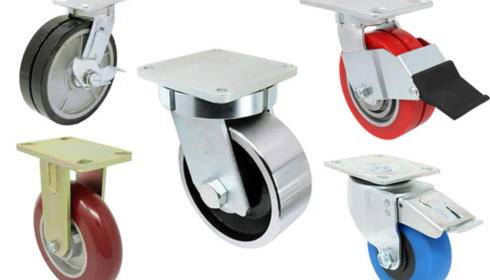
Among the most dependable solutions for high-capacity movement are cast iron swivel casters, engineered to support substantial weight while allowing controlled directional changes. Their design is rooted in mechanical strength, precision handling, and long-term durability.
The Role of Mobility in Industrial Design
Modern facilities are built around flexibility. Production lines evolve, equipment layouts change, and storage configurations are optimized over time. Instead of permanently fixing heavy machinery to one location, many facilities rely on high-capacity caster systems to enable controlled mobility.
This approach offers several operational benefits:
- Reduced downtime during layout adjustments
- Easier maintenance access to equipment
- Improved workflow optimization
- Safer transport of heavy loads
However, not all caster systems are designed to handle industrial-scale demands. The materials and engineering behind them determine their reliability.
Why Cast Iron Remains a Preferred Core Material
Cast iron has been used in heavy industries for centuries because of its compressive strength and resistance to deformation. When applied to caster wheel cores, this material provides structural stability under significant loads.
Unlike lighter alternatives that may warp or flatten, cast iron maintains its shape under sustained pressure. This is especially important in environments where equipment remains stationary for long periods while bearing heavy weight.
Its key advantages include:
- High resistance to structural fatigue
- Strong load distribution capabilities
- Long service life under continuous use
- Stability in demanding industrial settings
When paired with swivel functionality, the result is both strength and maneuverability.
Understanding the Swivel Mechanism
The swivel component is what allows a caster to rotate 360 degrees. This mechanism makes it possible to change direction without lifting the equipment. In tight warehouse aisles, manufacturing floors, or maintenance zones, this flexibility significantly improves efficiency.
The swivel assembly typically includes precision bearings that allow smooth rotation even when supporting heavy machinery. When engineered properly, it minimizes resistance and prevents sudden directional shifts that could compromise stability.
For facilities evaluating durable mobility solutions, specifications and configurations of cast iron swivel casters can be reviewed here:
cast iron swivel casters
Applications Across Heavy IndustriesManufacturing and Fabrication
Industrial presses, welding stations, and metalworking machines often need repositioning for workflow adjustments. High-capacity swivel casters allow movement without dismantling equipment.
Maritime and Dock Operations
Shipyards handle heavy cargo systems that require reliable mobility. Durable caster assemblies improve transport efficiency while maintaining load stability.
Mining and Extraction
In mining facilities, equipment is frequently relocated within confined spaces. Robust caster systems help ensure safe maneuverability under high weight conditions.
Warehousing and Distribution
Large distribution centers depend on internal transport systems that can handle substantial loads across concrete and tiled floors.
Floor Compatibility and Surface Protection
One challenge in industrial mobility is protecting floor surfaces while transporting heavy equipment. Iron cores provide strength, but they can be harsh if used alone. Many heavy-duty systems incorporate protective treads to reduce direct metal contact.
This design reduces:
- Surface scratching
- Excessive rolling noise
- Vibration transfer to equipment
As a result, facilities maintain both operational durability and floor longevity.
Safety Considerations in Heavy-Duty Mobility
Workplace safety depends on predictable equipment behavior. Weak or poorly designed wheels can crack, seize, or fail under pressure. This increases the risk of instability and potential injury.
High-quality caster systems improve safety by:
- Supporting rated load capacities reliably
- Providing stable directional control
- Reducing sudden wheel deformation
- Enhancing smooth movement under load
Routine inspection and proper installation further ensure long-term performance.
Maintenance and Operational Longevity
Even durable caster systems benefit from periodic maintenance. Regular lubrication of swivel bearings, inspection of mounting plates, and monitoring tread wear can extend service life significantly.
Industrial facilities that incorporate scheduled mobility component checks often experience fewer disruptions and lower replacement costs over time.
Supporting Modern Industrial Flexibility
As industries evolve, adaptability becomes essential. Equipment that can be moved safely and efficiently allows facilities to respond quickly to production changes and spatial optimization needs.
Cast iron swivel casters remain a practical solution for environments where heavy loads, structural durability, and maneuverability must coexist. Their continued use across manufacturing, maritime, mining, and logistics sectors reflects their reliability in supporting the movement demands of modern industrial operations.